Interior design today involves more than just moving furniture around in a house; it is a balance between psychological requirements, architectural demands and aesthetic appeal. The focus is likely to be on creating spaces in 2026 where people’s needs are balanced with smooth, efficient technology with a simpler style that includes more natural elements. Today’s interior design embodies two opposing philosophies. On the one hand, the ‘colour drenching’ technique completely immerses the observer in a specific colour. On the other hand, the Vintage principle puts the emphasis on sustainability. This blending of luxury with eco-friendliness and concern for health highlights the values that contemporary interior design embodies.
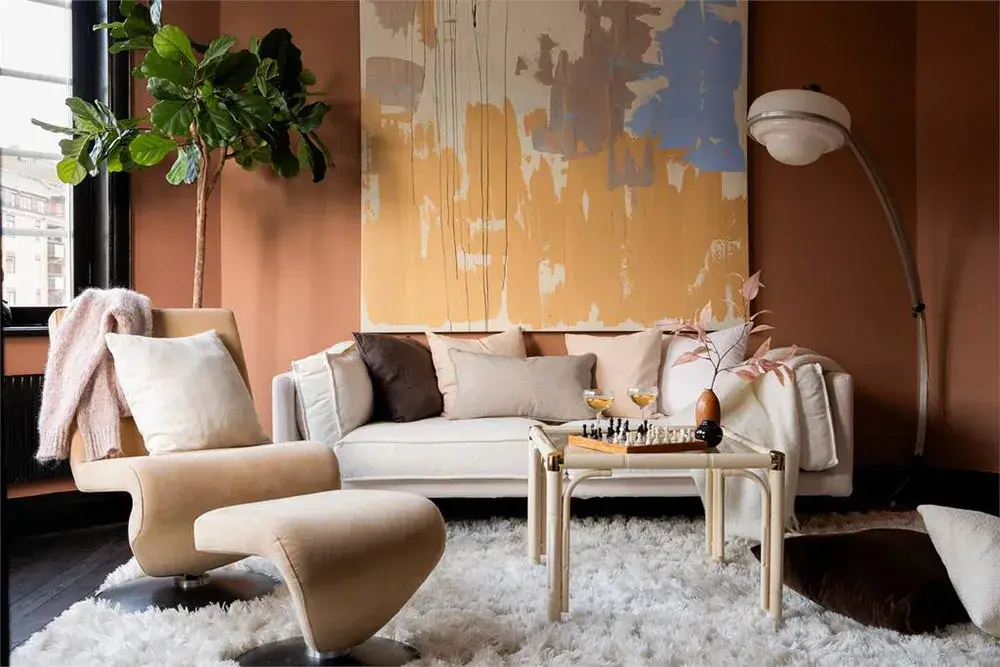
Interior design now often incorporates brighter colours to create a distinct home style. Rather than every wall in a home needing to be painted a bright primary colour, the strategy is to incorporate rich jewel tones, deep earth tones or occasionally a bright colour in furniture, artwork or ornaments. A room’s aesthetic can be dramatically altered by the addition of a brightly coloured, statement sofa, an assortment of abstract paintings on the wall or a wall painted in a bold colour. The color demand includes deep, rich shades such as terracotta, olive green, blues and warm brown. The effect is particularly marked in conjunction with natural materials. Interior design has grown in variety with numerous designs to choose from allowing homeowners to tailor their homes to fit their personal taste.
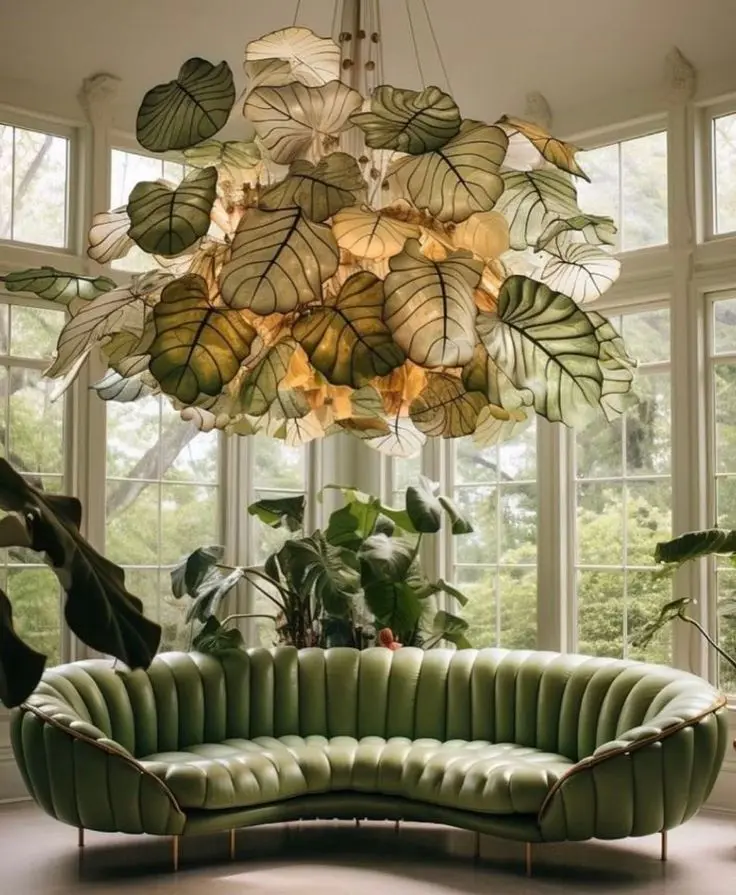
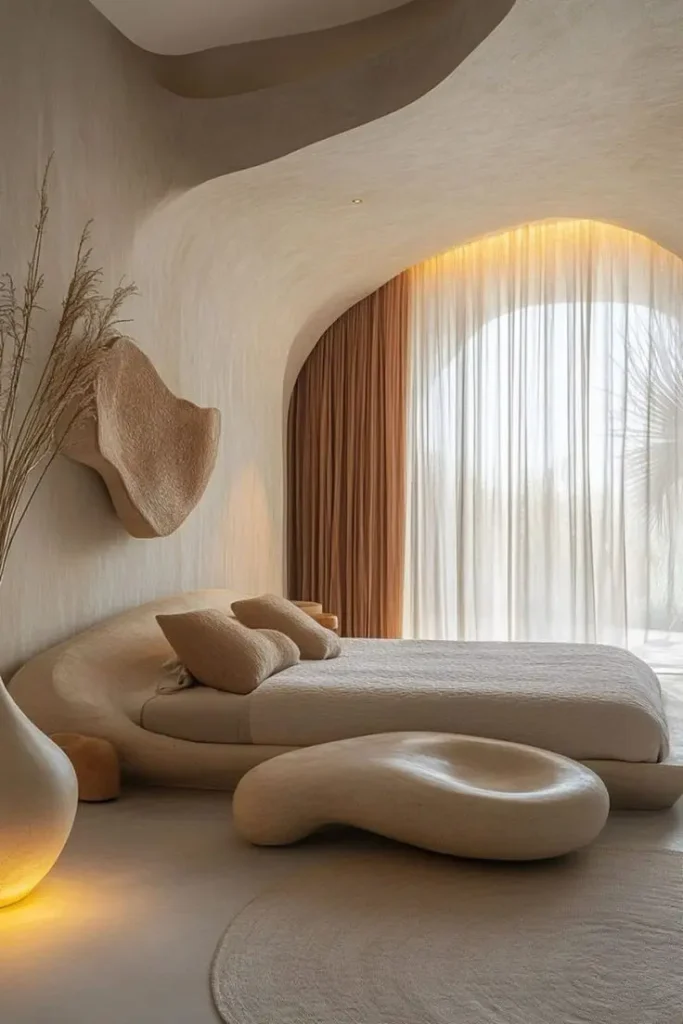
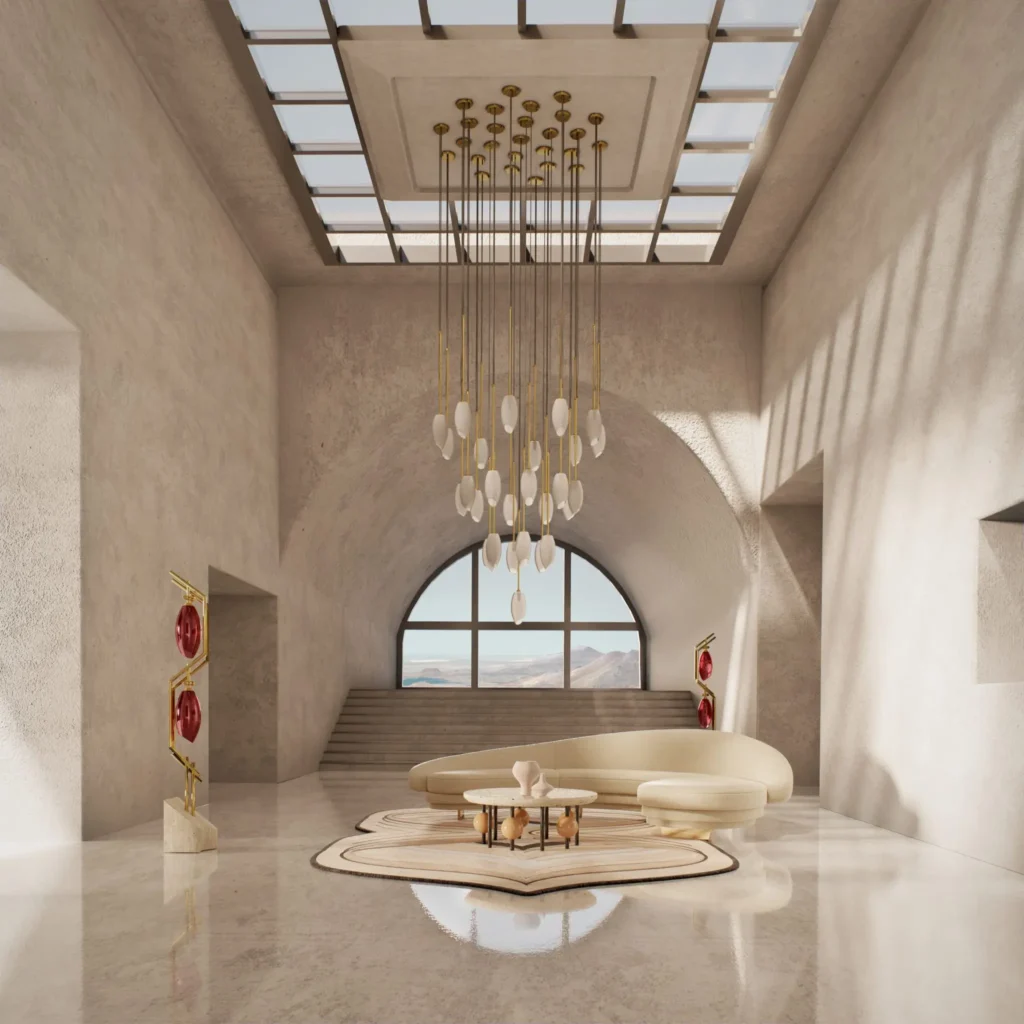
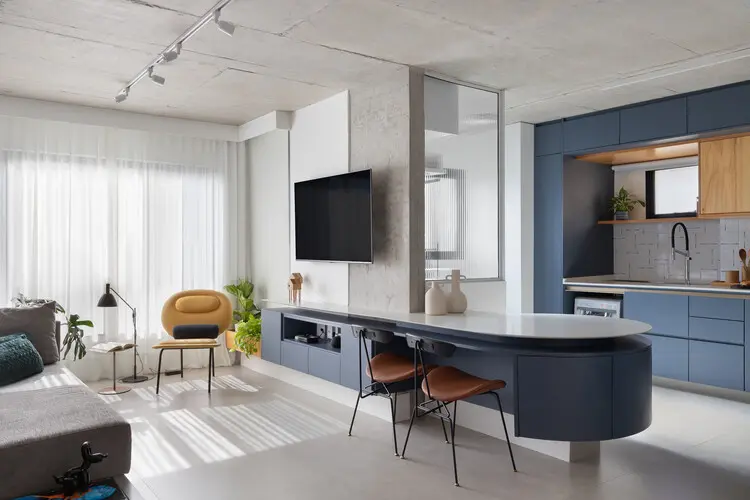
The current trend is towards curves and unusual shapes, particularly with soft furnishings since it is believed that this style has a soothing effect on those who visit the home. This style is characterized by gentle curves and a sense of gentle movement. The organic form is increasingly being used in design, seen in rounded sofas, arched doorways, ovals tables and sculptural lighting which are reminiscent of natural curves. Circular shapes are prominent in modern home decorating with rounded mirrors, oval coffee tables and ceiling fixtures in a spherical shape. Open spaces feel softer and more inviting when they incorporate rounded architectural features. This will not only make the room more visually pleasing but also have a good effect on the mood of the people in it. Spaces which have curves that occur naturally are very effective in producing environments that are more concerned with people, by combining the modern aspects of a building with warmth and aspects of comfort which evoke feelings.
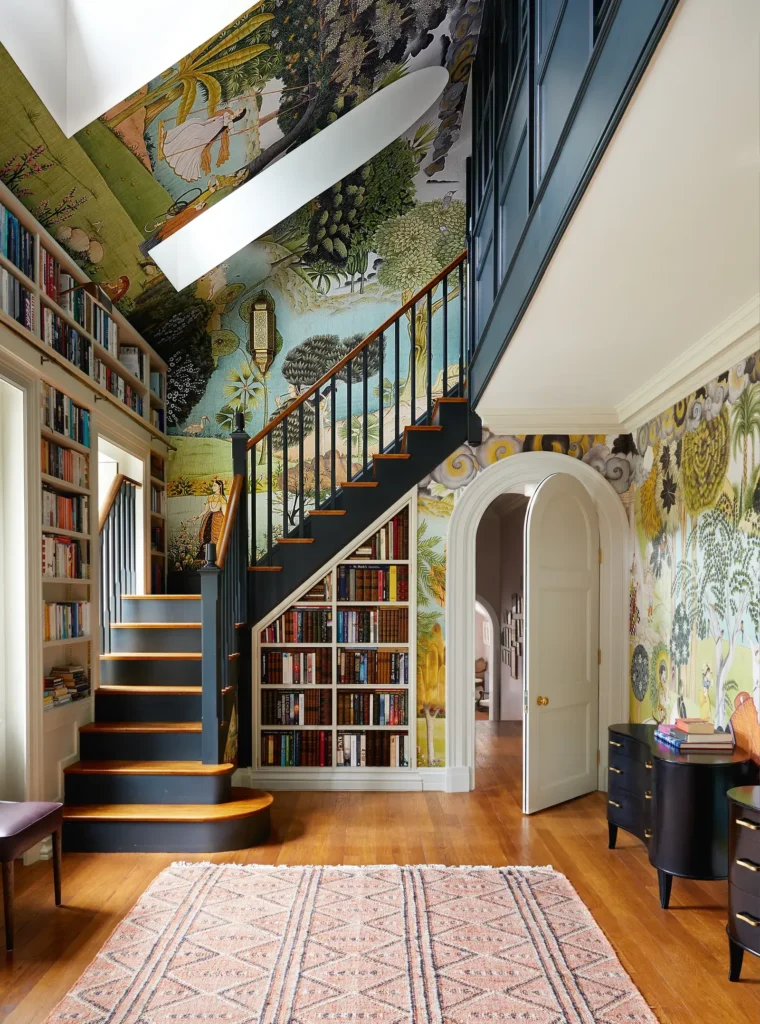
A greater number of interior designers are now including wallpaper as a principal aspect of their designs. Today’s trends in interior design feature larger scale and more striking designs in contrast to earlier patterns. Similarly to an exotic garden it could be a geometric design or a scene of tropical trees and plants. Surprising architectural features include ceilings which have been papered and walls that are accentuated. With the advent of technology, people can now opt for a variety of textured wall coverings. These could be in the form of a silk finish, a cork design or a more rustic grasscloth effect. These additions give the room a fresh look and nice ambiance.
A revival of interest in artisan and craftsmanship is currently bringing traditional elements back into the design of homes. With mass produced decorative items falling out of favour, many homeowners have started to look for distinctive items such as handcrafted furniture, woven fabrics and ceramics. These items are made from natural materials such as wood. With bespoke architectural features incorporated into a building, it conveys a depth and history to the space. The use of traditional craftsmanship and eco-friendly materials in the design of the conveys a strong commitment to the environment. This is reflected in the visible signs of the materials’ origins. These blend well with modern architectural styles.
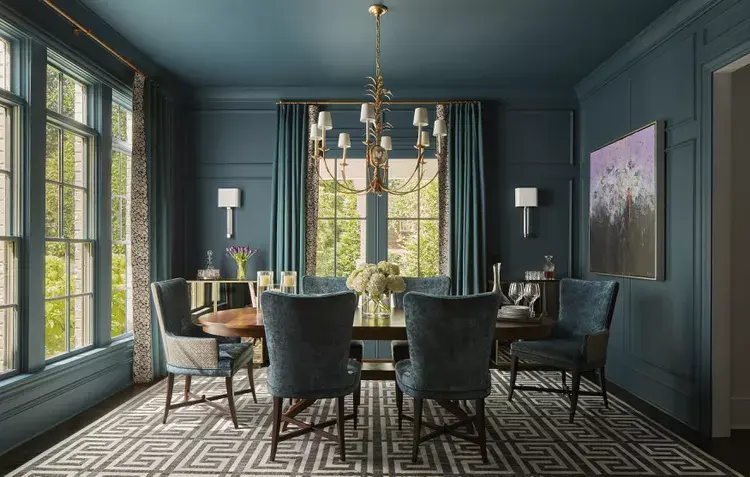
One of the leading features of contemporary home decor is the use of a single bold colour in an entire room. The room must be painted one colour, including the ceiling, in one coat. The removal of conventional moulding and ceilings can create the illusion of a larger space. The interior creates a pleasant and warm ambiance that one typically finds in a cocoon. Dramatic scenes look best when warm, deep colours like terracotta, green and navy blue are employed, creating a feeling of being closer to the action and heightening the drama of the scene. Even the tiniest of rooms can be given a sense of calmness by utilising paint colours which are soothing in character such as pale clay. Rooms of a small size can feel larger with this colour. Also this paint colour promotes a feeling of calmness. By limiting the colours used, the interior designer has created a distinctive and striking visual impact, a coherent and powerful design statement.
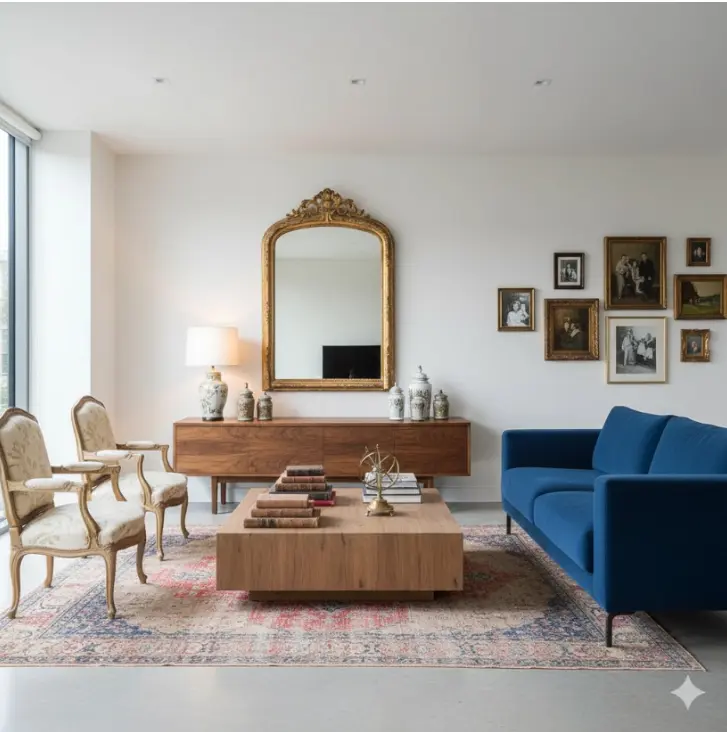
A space with the Vintage aesthetic, which features classic accents and a nostalgic feel, combines history and traditional craftsmanship with a bit of the imperfect in a modern living area. A home interior which combines old items with contemporary ones is one of a kind. Incorporate a retro item such as a worn leather armchair, a nineteen-fifties teak sideboard or a Victorian style mirror into a modern setting. Vintage objects used by residents give a home a history and heart that a modern home might otherwise lack. Examples of retro decor include items such as old antique tables with thick, distressed finishes and a ninteen twenties lighting fixtures that have an Art Deco aesthetic. These objects serve as a link to the past through our sense of touch. The space has a warm and welcoming feel because it has been decorated over a period of years.
Today, designers consider lighting to extend beyond its traditional purpose of illumination. Lighting is used to create great ambiance, to define a particular space and to provide a sense of three dimensionality. The focal point of a room is often showing a dramatic lighting feature such as a very large chandelier or a strikingly placed pendant light. Architectural floor lamps can also direct attention. Photography also benefits from the use of layered lighting. This technique allows you to use a variety of light sources to create a three dimensional scene.
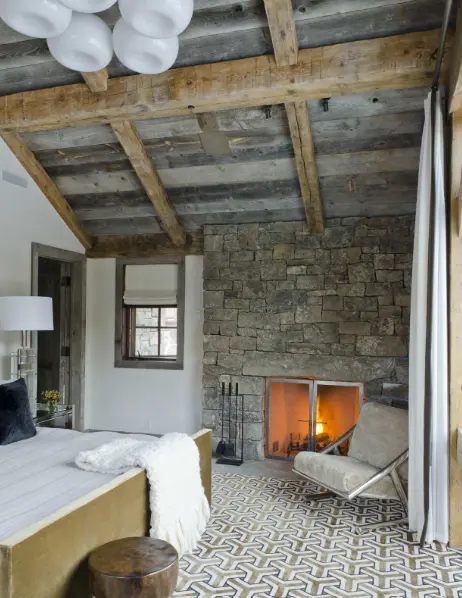
Designers are increasingly opting for natural building materials in order to give a warmer feel to their buildings. These materials include reclaimed wood, cork, bamboo and stone. Sustainability is a major consideration here. Besides this, used metals are also utilised. One method of maintaining a healthier indoor environment at home is by utilising low-VOC paints. Applying non-toxic finishes to all interior surfaces reduces the pollutants in indoor air.Homes are healthier too as a result and they are also safer. With a focus on longevity and aesthetic appeal this interior design creates spaces that are both timeless and eco-friendly. This design process incorporates elements such as durability and the renewability of materials. Also, consideration is given to consumption in its various forms.
People’s homes are now being designed with the various requirements of the occupants in mind. As a result, properties today are frequently multifunctional. With the old rules of traditional room design becoming less relevant, the same space can now be used in multiple ways. For instance, a lounge can be quickly converted into a study, a guest room or even an art studio through clever interior layout and multi-functional furniture. In smaller townhouses, clever organisational solutions that keep all the rooms tidy and versatile are especially useful in providing a comfortable lifestyle and fulfilling living requirements. The use of modular sofa seating, a fold down desk and a storage system that is integrated into the property itself provides residents with flexible living space. Not only does it look modern and elegant but it also effectively controls all aspects of the household.
With modern interior design trend for the year 2026, we are witnessing a shift towards an approach which gives equal importance to aesthetics and function. With growing interest in living spaces that bring a sense of personal style and also contribute to the preservation of the planet, a number of interior design trends have emerged. These trends include the use of eco-friendly materials, spaces designed for multifunctional purposes, vintage design elements and a design ethos of ‘more is more’. Today’s interiors, focusing on the flexibility, quality and personal touch, are designed so as to support people’s health, accommodate ever changing life styles and continue to be pleasing over time.
Designs are moving towards organic shapes and warm, minimalist styles with their use of natural colours and organic furniture forms. A notable trend is for statement lighting and integrating technology into homes. Also seen are the use of earthy colours, vintage objects and eco-friendly materials in the design of homes. Furthermore, there is also a desire for rooms to serve multiple purposes.
Modern design features frequently endure for decades, while newer trends may only last for 2-5 years. But the classic design includes elements such as high-quality wood and neutral colours will remain evergreen.
Pay attention to home design magazines and blogs, take note of your favourite interior designers’ use of social media like Pinterest and Instagram, watch property tours and visit relevant exhibitions and trade fairs, and combine these trends with your own personal preferences in order that your house feels like you.
Designs this year will centre on organic shapes and smart technology integration. This will also be seen in the use of warm and calm colour schemes. Key features include a greater emphasis on the use of sustainable materials and a nostalgic approach with many other elements. There will also be a focus on bringing the outdoors in by incorporating more natural elements into the home’s interior.