Whether you’re new to KAWS art toys or a long-time collector, here’s why Companion figures have become modern icons.
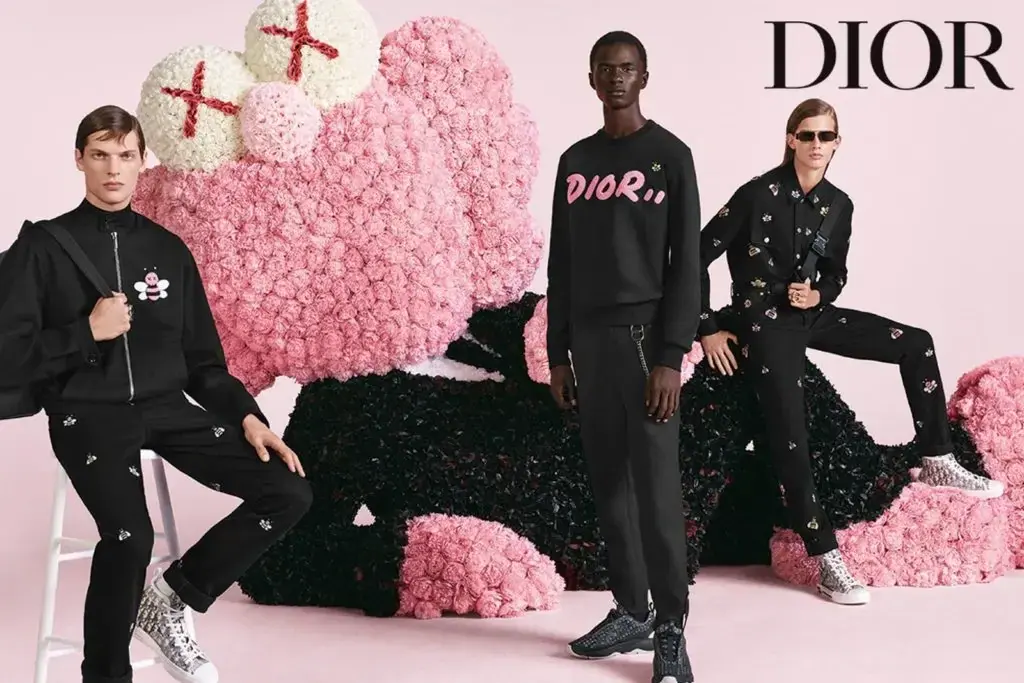
Over the last decades, Kaws has built a world that goes beyond traditional galleries, because his sculptures have been seen on the streets all over the world. His art is collected by celebrities and art enthusiasts. And Kaws collaborations with global brands have introduced contemporary art to people who never stepped inside a museum. What makes KAWS different, besides the crossed-out eyes of Companion figure, is the ability to take familiar imagery and then reshape it into emotional art: playful at first glance, but with the theme of loneliness, nostalgia and human connection.
In a world where the line between art, fashion and design continues to blur, KAWS has become one of its defining voices.
KAWS is the professional name of American artist Brian Donnelly. He was born in Jersey City, New Jersey, in 1974. Before galleries and auction houses became interested in his work, he was spending a lot of his time on New York’s streets with a notebook and a spray can. He was fascinated by NYC and its the visual story of the city.
After studying illustration at the School of Visual Arts in New York, Donnelly worked as a freelance animator. Some of his early art projects included creating art for TV, this experience shaped him as an artist and taught him the importance of understanding design and storytelling. This became one of the foundations of his identity later on.
During the 1990s, he transformed NYC street advertisements. Instead of painting over billboards entirely, he added his own drawings to them. It was the first appearance of very famous now crossed-out eyes figures. Those street advertisements made people stop and look twice.
Some people don’t know the name KAWS, however everyone recognizes his work. The visual language has become one of the most distinctive in contemporary art. It’s rooted in pop culture and street art, it also borrows from illustration, sculpture, graphic design, and commercial advertising.KAWS has spent decades refining a small collection of recurring characters and visual motifs. Each new painting or sculpture feels connected to the last, creating an artistic universe that continues to evolve.
The crossed-out eyes are the first thing people notice in a KAWS artwork.
Simple as they are, they’ve become one of the most recognizable symbols in contemporary art. Instead of traditional eyes, his characters wear bold X marks that immediately change the mood. Their meaning has never been officially defined – and that’s part of their appeal. For many people it adds an unexpected sense of mystery and allows them to connect with the work in their own way.
KAWS experiments with different materials and scales. His art often relies on clean compositions, multiple colors and carefully controlled repetition rather than detail. Bright blues, soft pinks, muted grays, black, cream, and earthy tones appear throughout his art.
Instead of filling every surface with information, KAWS allows shape, color, and composition to do the storytelling. This is the proof that simplicity, when handled correctly, can leave the strongest impression.
Cartoons have a central role in KAWS’ creative world. Growing up with animated TV shows, comic books and advertising mascots, he became fascinated by the characters that people know and recognize. However, Kaws never copied them, he reimagined them through his own vision prism with rounded hands, oversized shoes, simplified faces and exaggerated proportions. All that felt new and familiar at the same time.
If there’s one character that defines KAWS, it’s Companion.
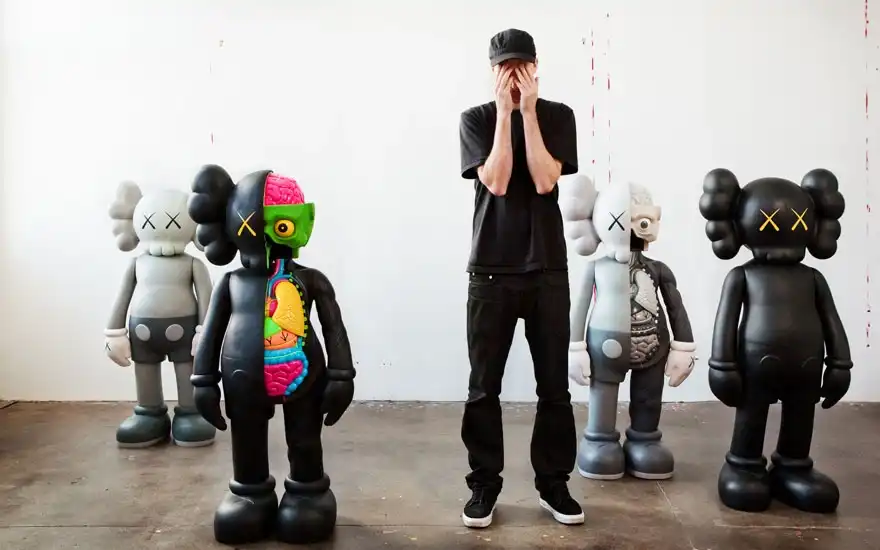
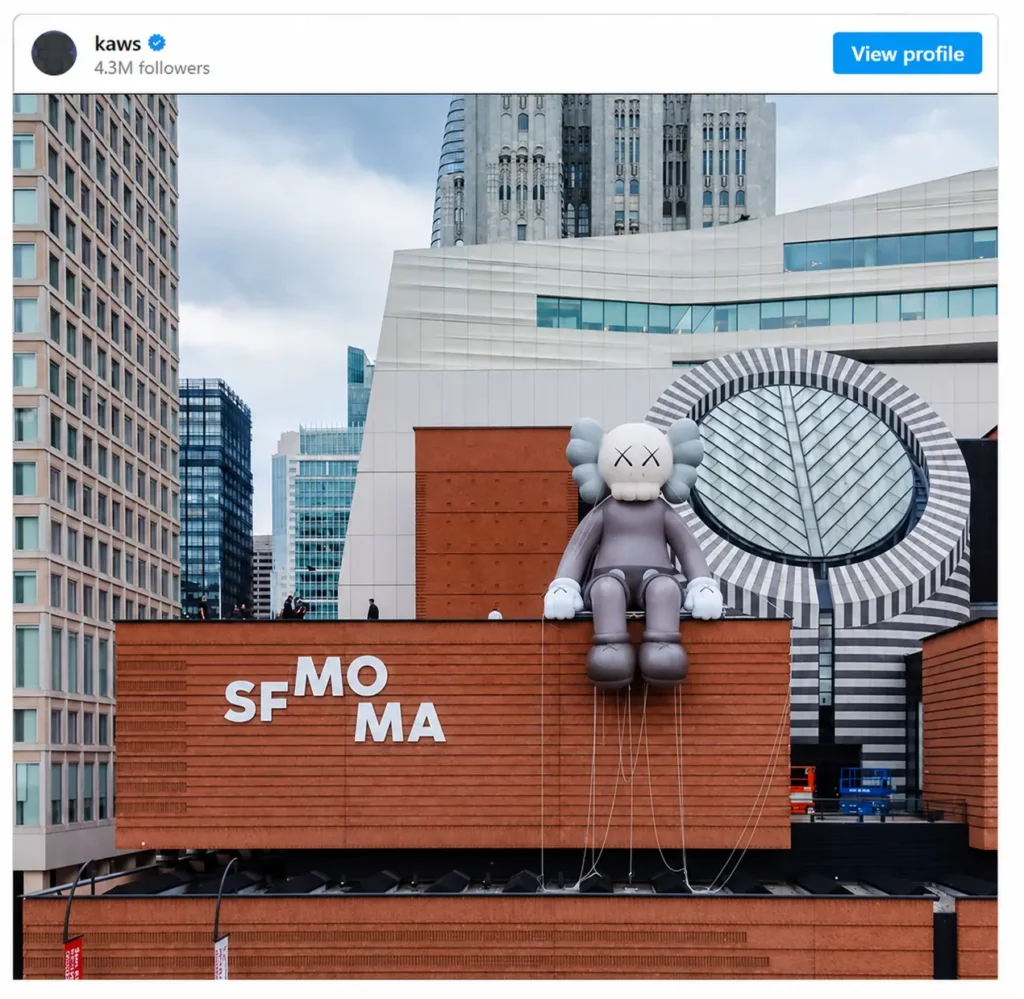
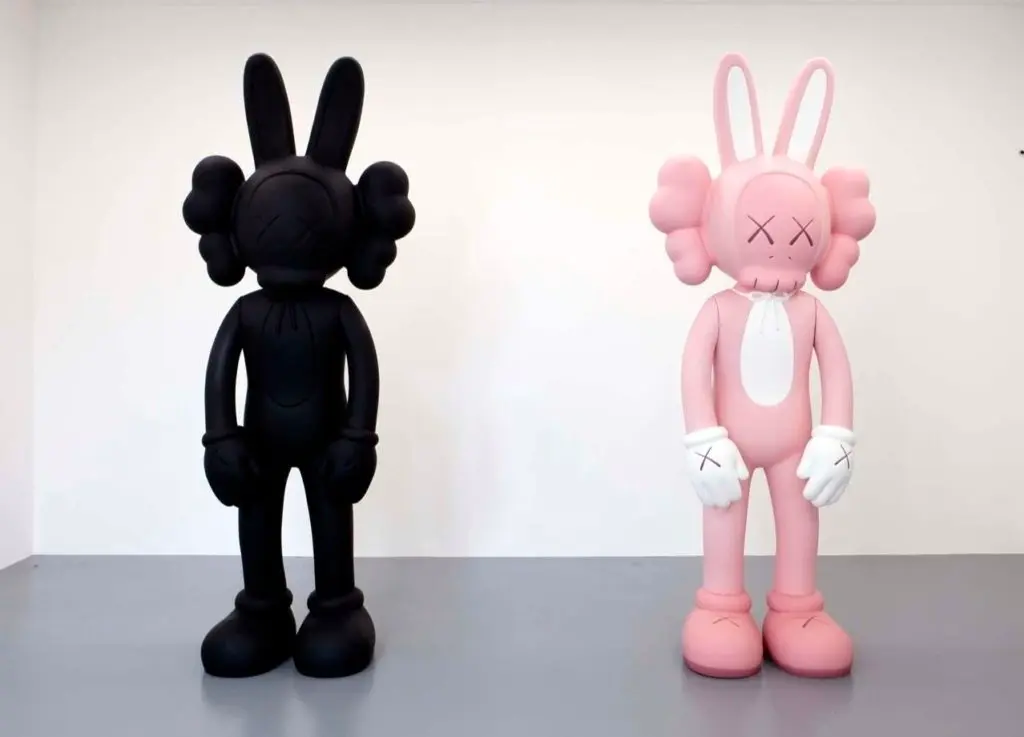
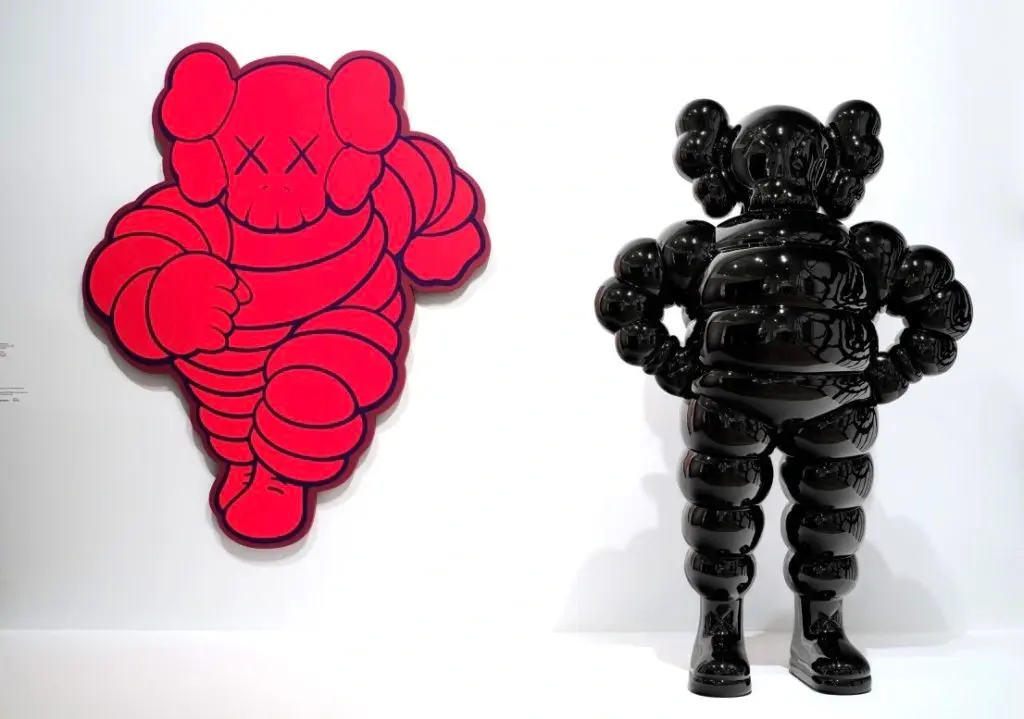
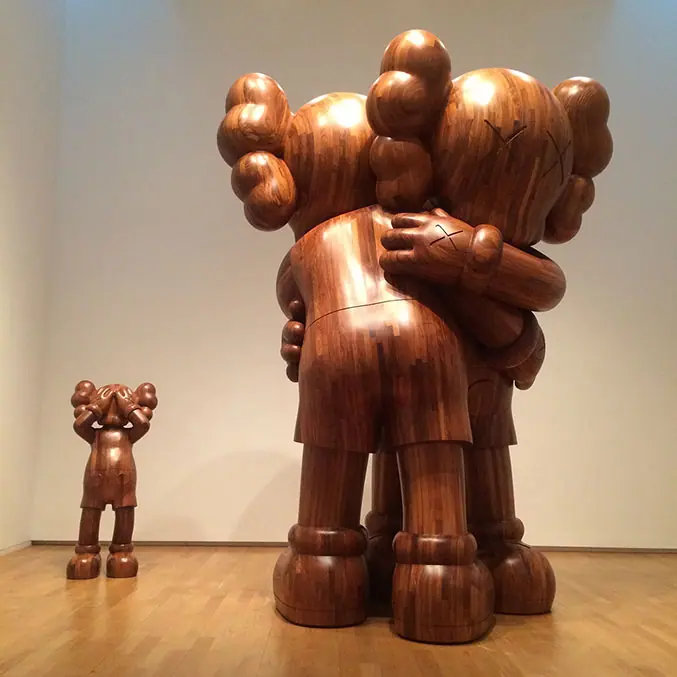
Introduced in 1990s, now Companion is one of the most recognizable figures in contemporary art. The character has appeared in paintings, bronze sculptures, vinyl toys, monumental installations, and public artworks around the world.
Body language is what makes this art figure so memorable.
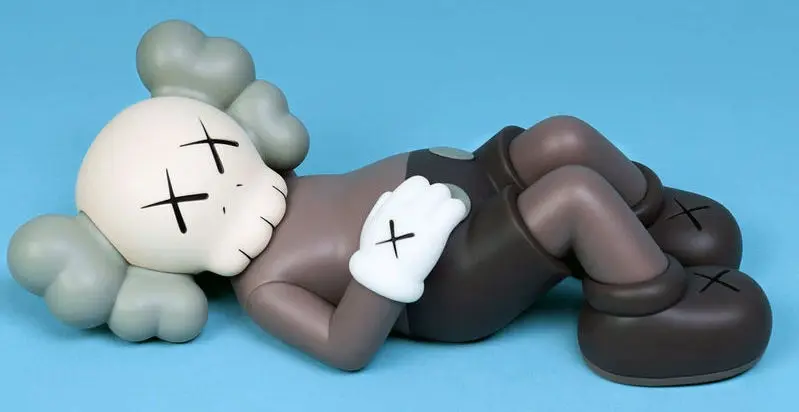
Sometimes it’s sitting alone with its head down and sometimes it covers its face with its hands. Other versions show Companion quietly stare into the distance. Without speaking a single word, Companion communicates feelings that are remarkably human.
The KAWS Companion is a vinyl figure with cartoonish features and a somber posture. It debuted in 1999 and became a cultural symbol, bridging fashion, pop art, and design.
Here are the top KAWS toys that continue to dominate collections and auctions:
KAWS Companion (Original Fake)
The original vinyl toy that started it all. Highly sought-after for its historical value.
Fluffier and friendlier than Companion, BFF still features the X-eyes and hand-over-face pose.
A half-split version showing the anatomy of the Companion – a collector’s favorite.
Companion Passing Through
Sculptural version with a shy, head-down pose — often displayed in public installations.
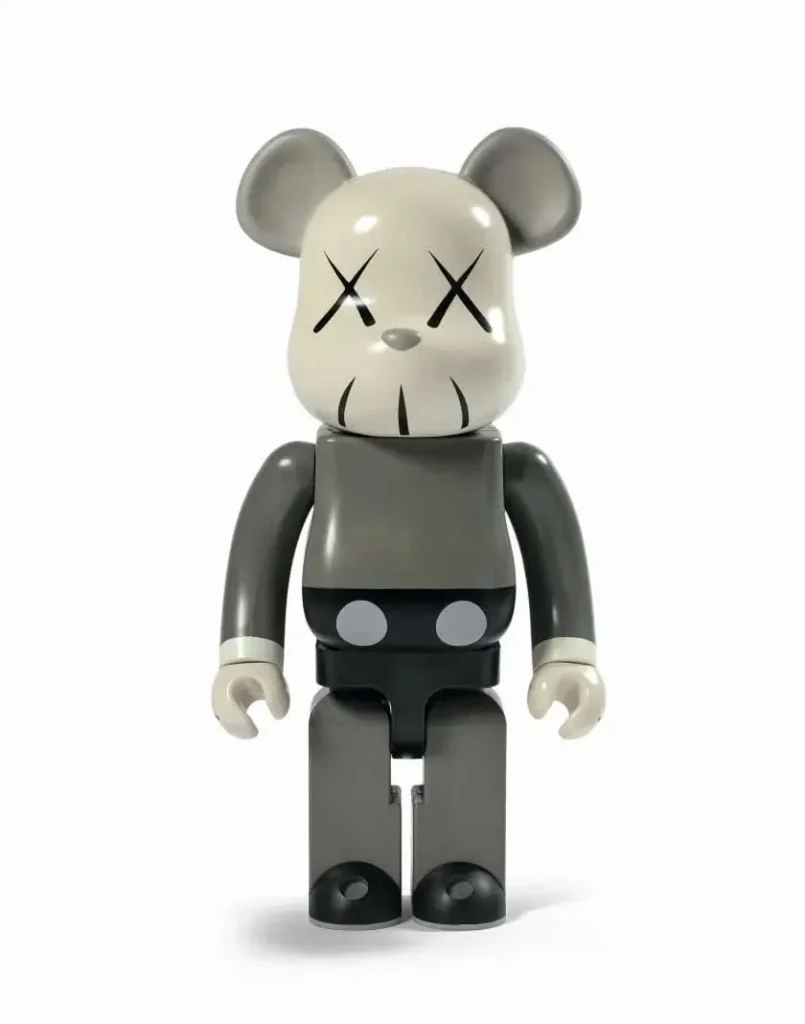
KAWS has collaborated with Medicom Toy on several highly sought-after BE@RBRICK releases, transforming the iconic bear-shaped figure into a canvas for his signature characters and X-eyed designs. These limited editions have become some of the most valuable designer toys ever produced.
Fake KAWS toys are everywhere. For safe purchases, stick to:
Tip: Always check for certificates, box condition, and past sale records.
To preserve your art toys:
From MoMA exhibitions to viral streetwear, KAWS toys symbolize the mainstreaming of art collectibles. They resonate across:
The KAWS Companion figure isn’t just a toy it’s emotional pop art. From Tokyo to New York, these figures speak to a generation raised on cartoons, but aware of deeper emotions.
For art lovers and streetwear heads alike, KAWS art toys are here to stay.