Style is rarely about the clothes alone. The accessories you choose — and how you pair them — determine whether an outfit reads as polished, forgettable, or genuinely memorable. Trends rotate in and out of fashion with predictable speed, but certain jewelry and outfit combinations have held their ground for decades. They work because they are built on proportion, contrast, and an understanding of how materials interact. Learning these pairings gives you a foundation that no seasonal trend report can take away.
Not every timeless combination belongs to the world of formal dressing. The pairing of casual denim with handcrafted, artisanal jewelry has an enduring appeal rooted in texture and contrast. Worn-in denim carries a roughness that makes intricate metalwork stand out rather than blend in — the two materials seem to belong to entirely different worlds, and that tension is exactly what makes the combination work.
The idea that metals should never be mixed has largely faded, and for good reason — done deliberately, it adds dimension rather than confusion. A two-tone watch is one of the most practical starting points, since it bridges gold and silver naturally and gives you permission to stack both on the same wrist. Color matters too. Warm tones in clothing — reds, oranges, earthy yellows — tend to sit well alongside yellow gold, which shares their warmth. Cool tones like navy, forest green, or dusty blue read more cleanly against silver or white gold. Black, white, and gray are the most forgiving, accommodating almost any metal finish or stone color without conflict. The goal is not to follow a formula but to notice how the undertones in your clothing and your jewelry either reinforce or undercut each other.
Pearls have spent decades being associated with a particular kind of formality — twin sets, conservative necklines, special occasions. That association has loosened considerably. A strand of pearls worn with a distressed leather jacket or a plain graphic tee creates a contrast that feels current rather than dated, drawing on the same high-low logic that defines much of contemporary dressing. The context changes the meaning of the piece entirely. For a less traditional take, baroque pearls and dark Tahitian varieties offer organic shapes and deeper tones that read as more relaxed and individual than the perfectly uniform white strands of earlier decades. Either way, pearls remain one of the most versatile jewelry choices available — capable of reading as formal, casual, or deliberately subversive depending on what they are paired with.
A quality watch occupies a category of its own among accessories. It is functional, but it also signals something about how seriously a person takes the details of their appearance. A leather-strap watch alongside a tailored blazer communicates competence and care — it is a combination that holds up in almost any professional context. Worn with a silk slip dress, a heavier metal watch introduces an interesting tension between the delicacy of the fabric and the solidity of the timepiece. Unlike most accessories, a well-made watch tends to appreciate in meaning over time, becoming more personal the longer it is worn. It is the kind of piece that can anchor a bracelet stack or stand entirely on its own, and that versatility is what makes it worth investing in.
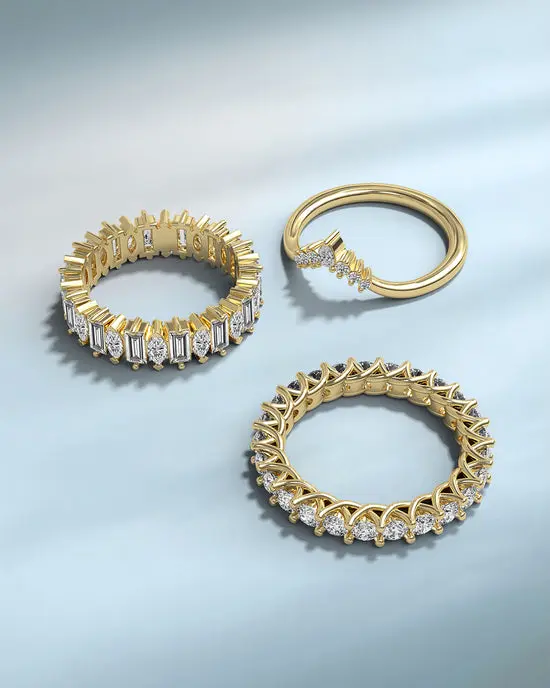
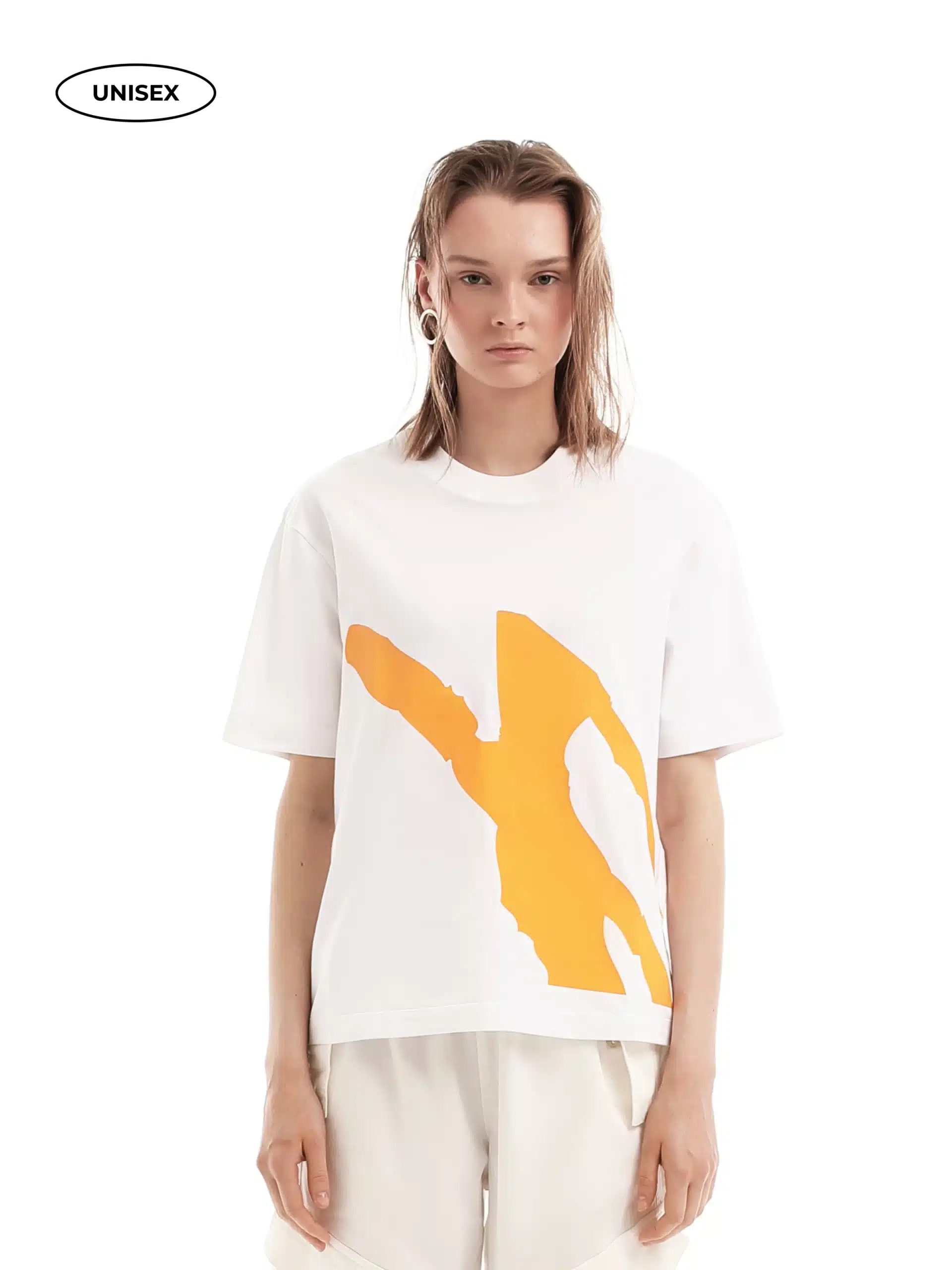
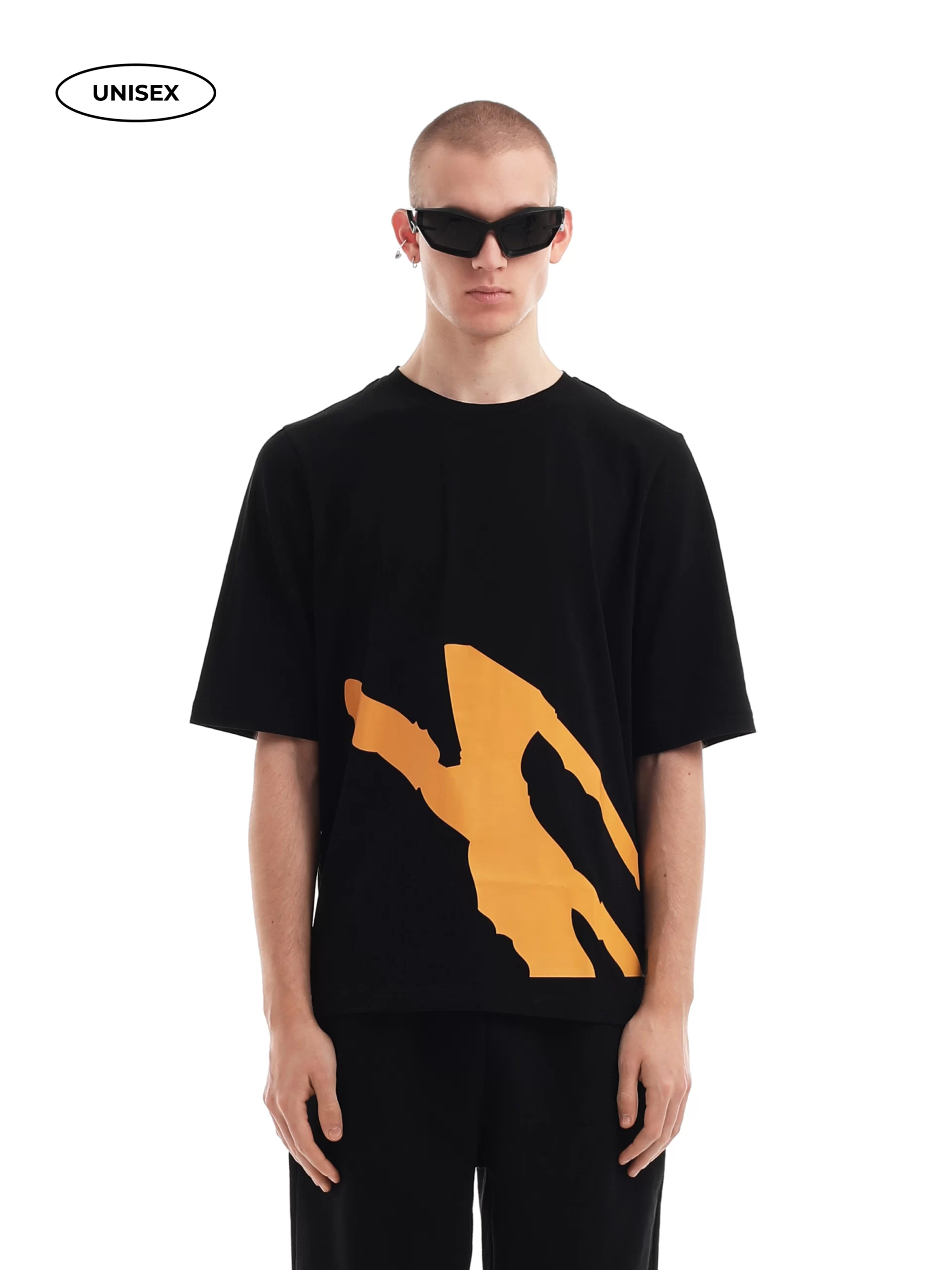
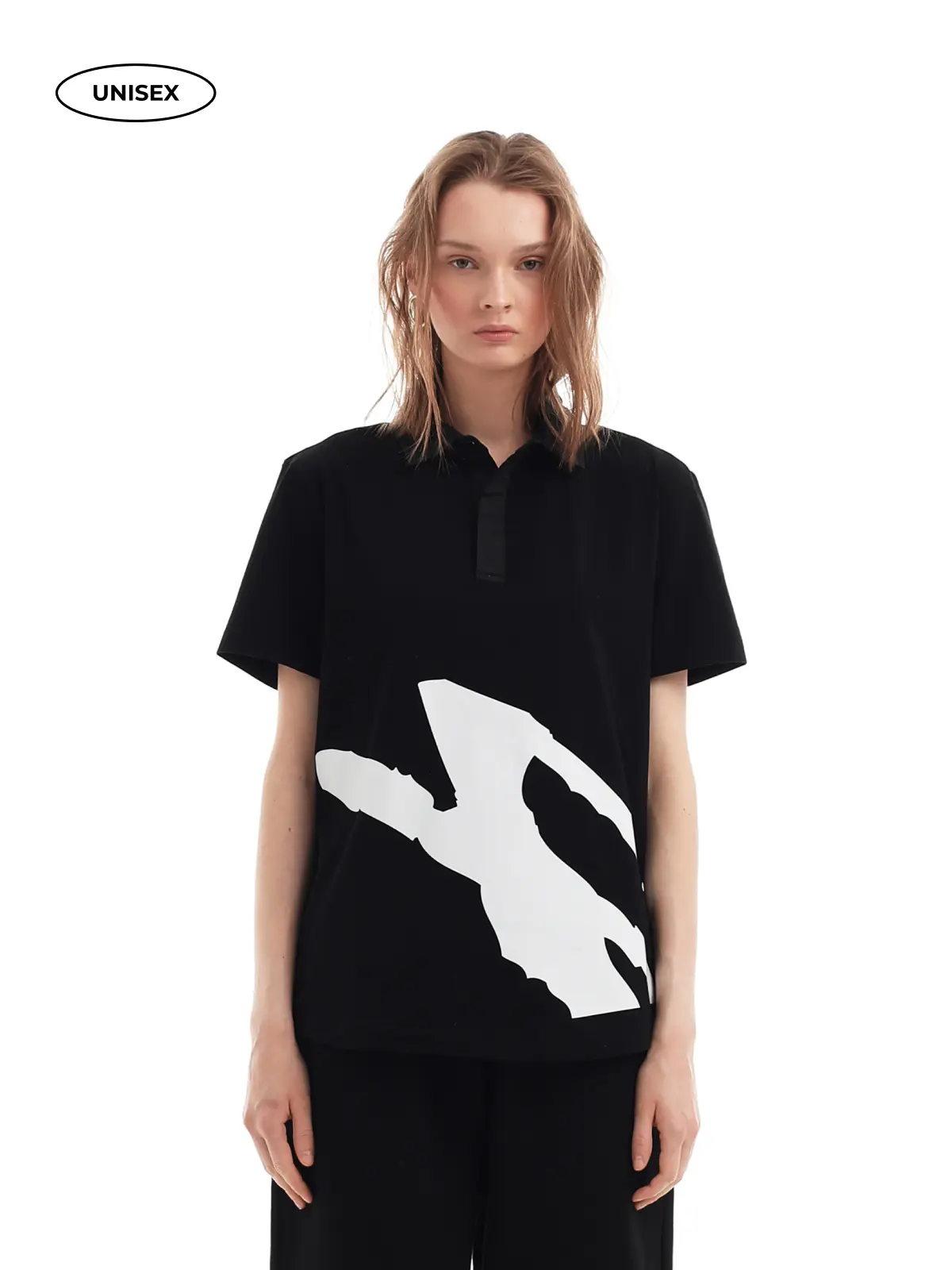
The combinations that endure are the ones built on proportion, contrast, and an honest understanding of your own preferences. Sparkling diamonds against white cotton, architectural gold against black fabric, turquoise silverwork against worn denim — each of these pairings works because the materials have a genuine relationship with one another. Investing in a small number of high-quality clothing staples and well-made accessories gives you more options than a large wardrobe of disposable pieces ever could. Style that lasts is not about accumulation. It is about knowing which pieces belong together, and wearing them with enough confidence that the combination becomes yours.