Free shipping on all US orders
10% OF OUR PROFIT GOES TO KIDS’N’CULTURE NON-PROFIT ORGANIZATION
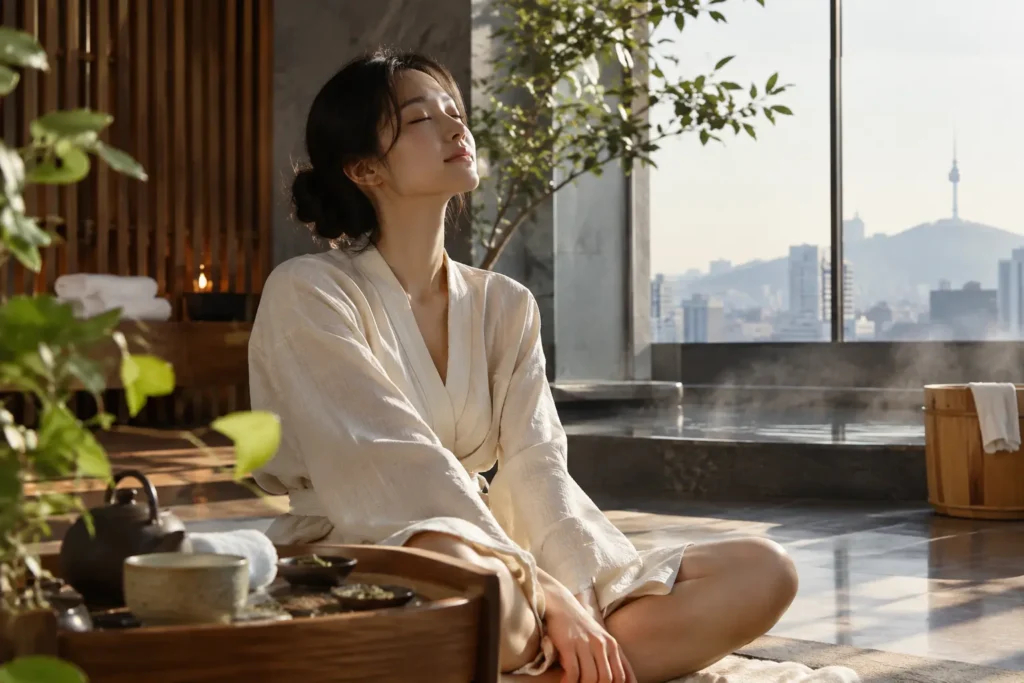
In Korea, true health is defined not merely by the absence of disease; it’s about “Geon-gang”, a word that describes a kind of inner balance. It’s when your body, your mind, and even your surroundings all feel like they’re working together in one flow. You might know Korean beauty brands for their multi-step skincare but the Korean wellness trend is actually much deeper than just what you put on your skin. It’s more about preventing problems before they start, focusing on living a long life, keeping your gut healthy and being able to handle stress better. Let’s discuss it deeply with all types:
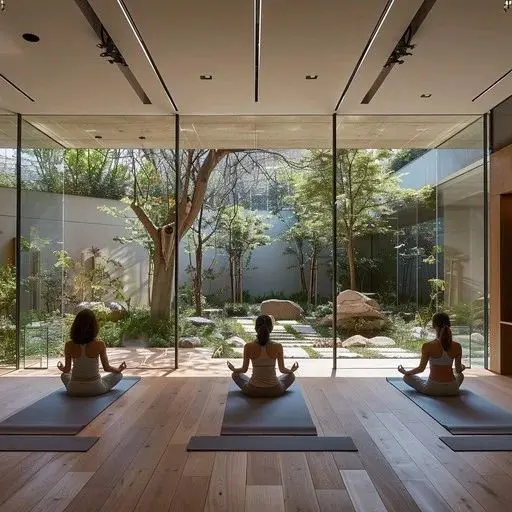
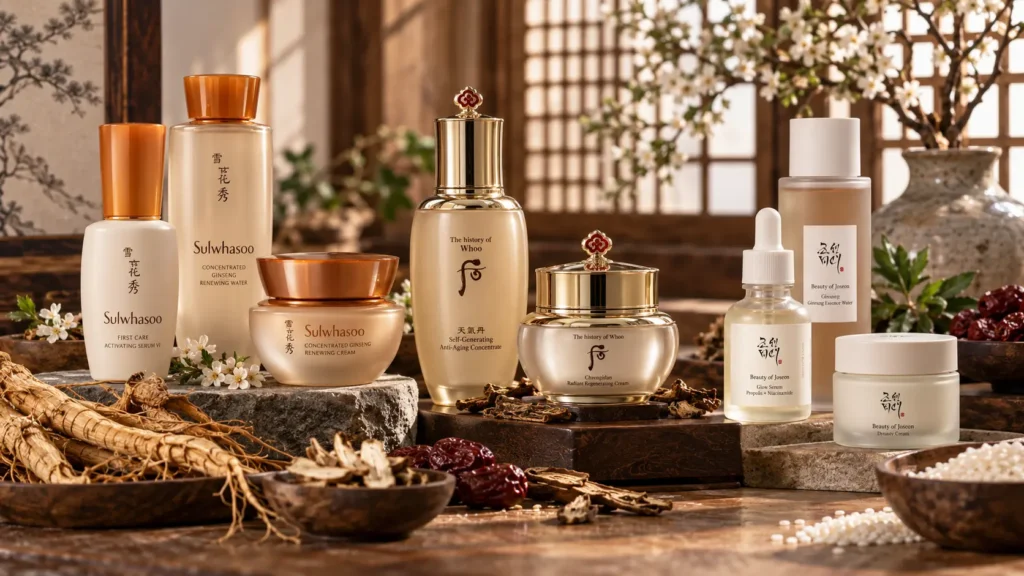
Modern Evolution: Hanbang is now being used for personalized preventive health. Personalized DNA testing and microbiome analysis are mainly used with traditional herbal tea formulas, which blend centuries-old botanical knowledge with today’s clinical precision.
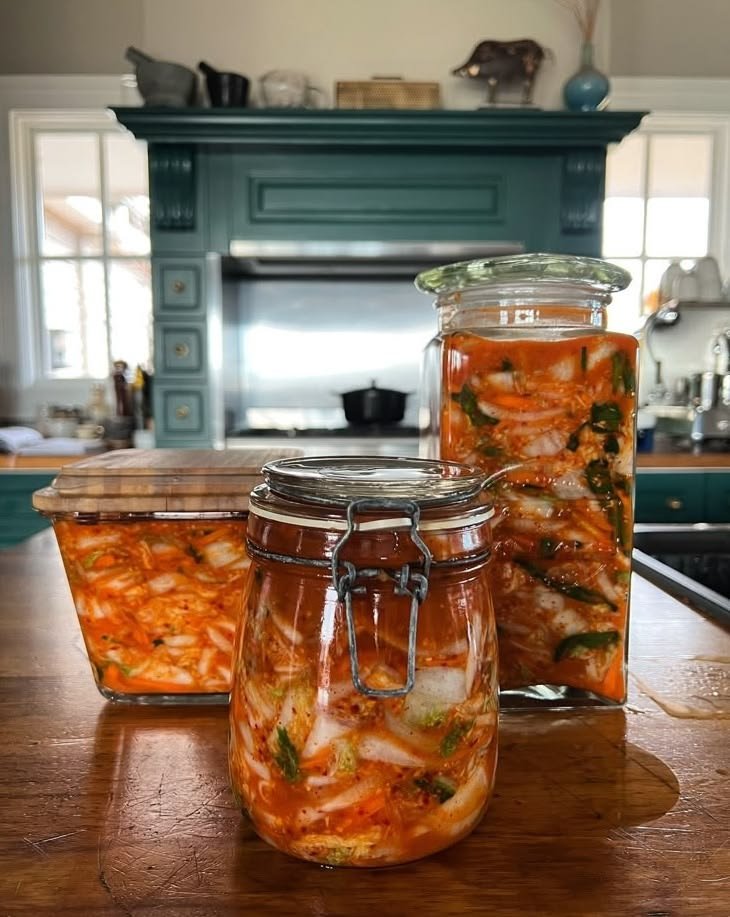
In Korea, “inner beauty” (이너뷰티) is the idea that beauty and skin health are interconnected and also supported from within, through diet and supplements. Korea is a country for fermentation, which closely interconnected with gut health, and this connection is especially strong because traditional foods such as kimchi, fermented soybean paste, and fermented vegetables are part of everyday food culture. Being energetic and active are signs of gut health and glowing skin.
Probiotic-Rich Staples: Probiotics and active enzymes are used to help with digestive flora. For this Kimchi, Doenjang and Ganjang are helpful.
Functional Supplements: For longevity, different products that have blood-sugar regulators, fermented rice extracts and edible marine collagen are used.
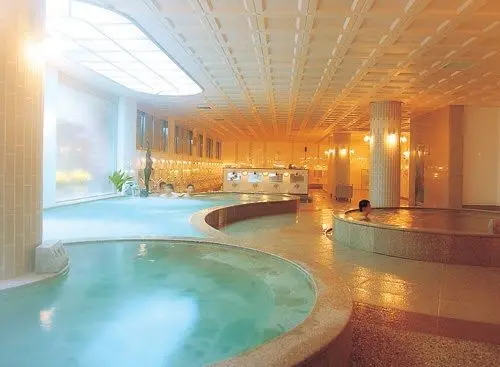
“Jjimjilbang” (찜질방) is a Korean bathhouse and sauna complex. It is a big part of Korean wellness culture and tradition to reduce stress and recover from physical stress by using different therapies.
The Ritual: People perform it in different thermal environments from cold plunges and heated jade and salt saunas to herbal-infused baths.
The Benefit: It reduces lymphatic stagnation and activates the parasympathetic nervous system giving mental and physical ease.

The Practice: Take slow walks that are also immersive in pine and bamboo forests.
The Science: By spending time in trees the body is exposed to phytoncides (natural antimicrobial compounds released by plants) which lower cortisol, reduce blood pressure and also increase the activity of natural killer cells.
Korean beauty is shifting and now it is less about fixing immediate issues and more about building healthy skin that lasts. This means really getting to know your skin barrier, being careful to avoid irritation and picking products that help your skin in the long run. People are starting to see that sticking to a routine with a few good products is more effective than having a drawer full of things they barely use.
Key Focus: It uses bio-fermented ingredients like Cica (Centella Asiatica) and targeted LED light instead of harsh chemical treatments to strengthen the skin microbiomes.
Philosophy: Use preventative protection like daily broad-spectrum SPF to avoid damage.
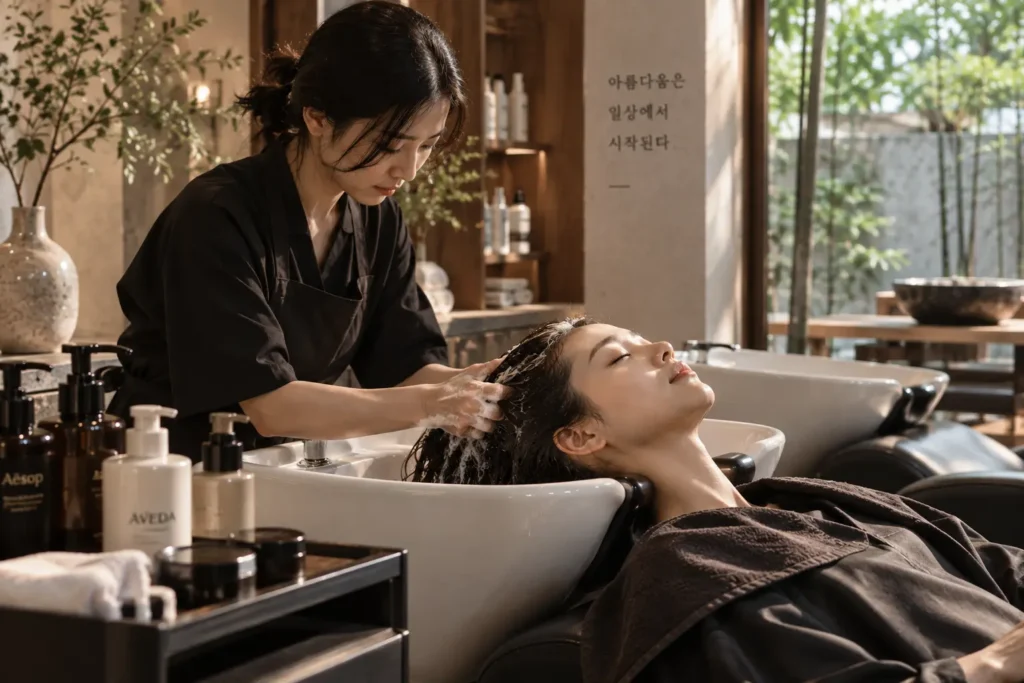
When it comes to hair, the focus is broadening to include scalp care. “Scalp & Hair Wellness” (Duh-pi Care)is not just about treating the hair lengths and ends anymore; the scalp is seen as the starting point for healthy and good hair. Taking care of your scalp regularly can also elevate a simple hair washing session into a more mindful self-care moment.
The Ritual: Deep-cleanse scalp scalers, tea tree tonics and targeted scalp massages with the help of wooden gua sha tools.
The Goal: Clearing follicle buildup and balancing sebum production, along with improving scalp circulation.
Popular Brews: For hydration and digestion, choose Barley tea (Bori-cha). You can use Burdock tea (Ueong-cha) for inflammation and also drink Jujube (Red Date) for good sleep & warm energy (Yang).
The Vibe: For slow living and unplugging, modern tea houses (Dabang) are designed with mindful spaces and a quiet environment.
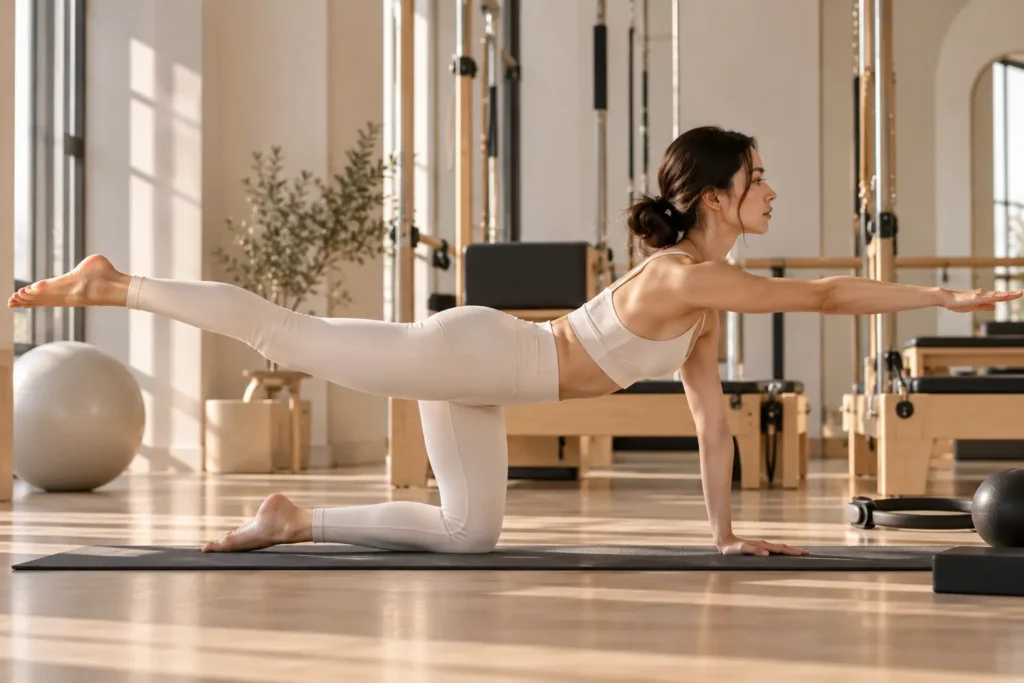
With so much time spent sitting, driving, or on our phones, posture-focused wellness has become really important. Instead of just intense workouts, Korean wellness often incorporates being aware of your body and making small, practical changes to how you sit, stand, or sleep. These adjustments become a regular part of looking after your body.
Practices: Use orthopedic pillows like (Kyung-chug pillows) ergonomic lumbar supports, and take Pilates-inspired spinal alignment classes into daily routines.
Focus: Prevent tech neck “forward head posture” to improve breathing, reduce tension headaches and keep energy flowing.
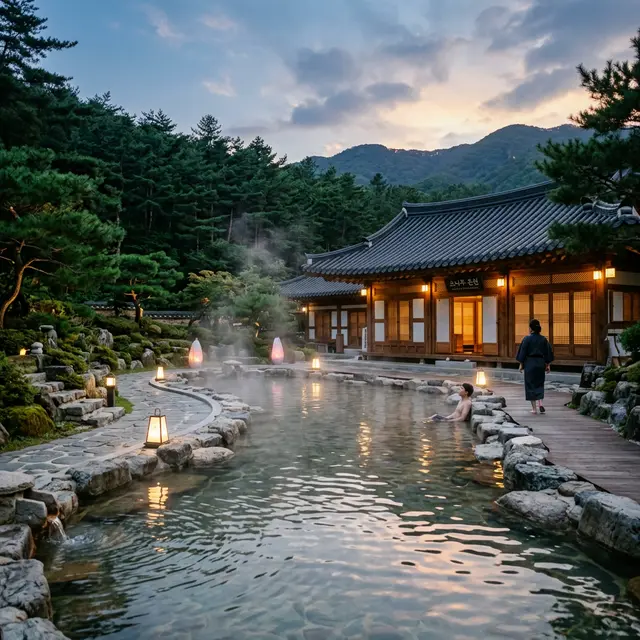
Benefits: Soak yourself in mineral-rich waters containing sulfur, magnesium and calcium, which will help with joint pain and detoxify the skin along with improving peripheral circulation.
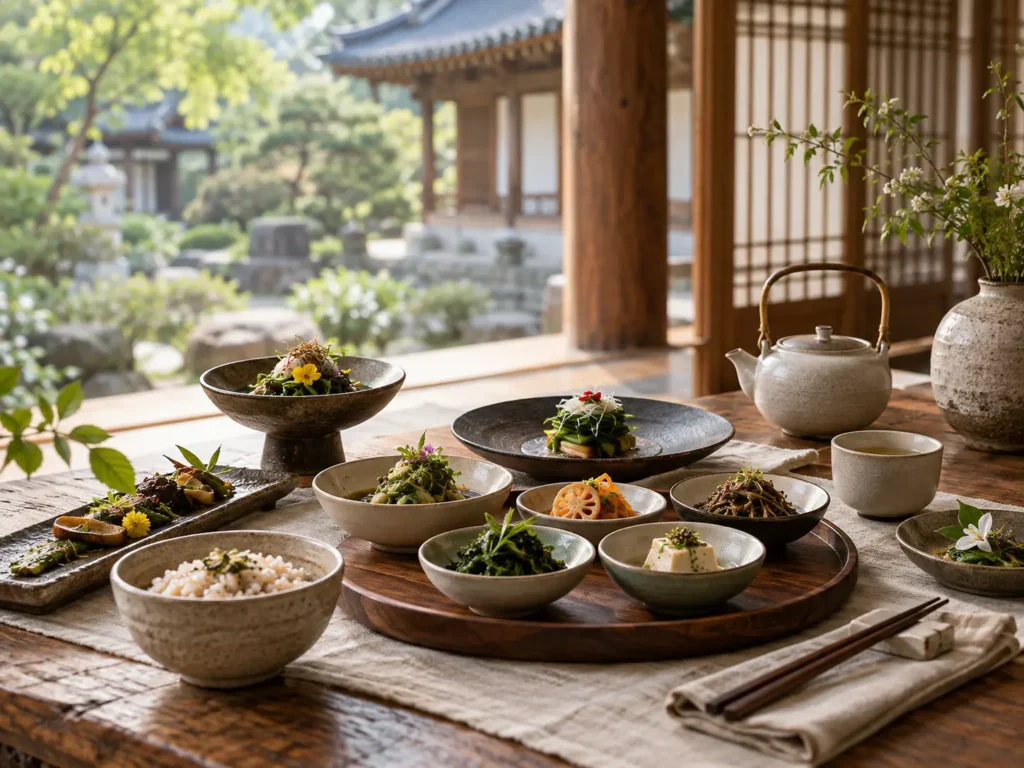
Principles: Intake plant-based meals made without any artificial preservatives or five pungent herbs that are garlic, green onions, chives, onions and leeks which affects your mental calm.
Mindfulness: Always eat with gratitude while paying full attention to textures and natural flavors.
The Setup: To regulate temperature, use breathable flax and Korean bamboo textiles used with calming herbal pillow mists like chamomile and mugwort.
Technique: To keep your feet warm while the head stays cool, maintain cool room temperatures and use body warmers which balance internal body energy.
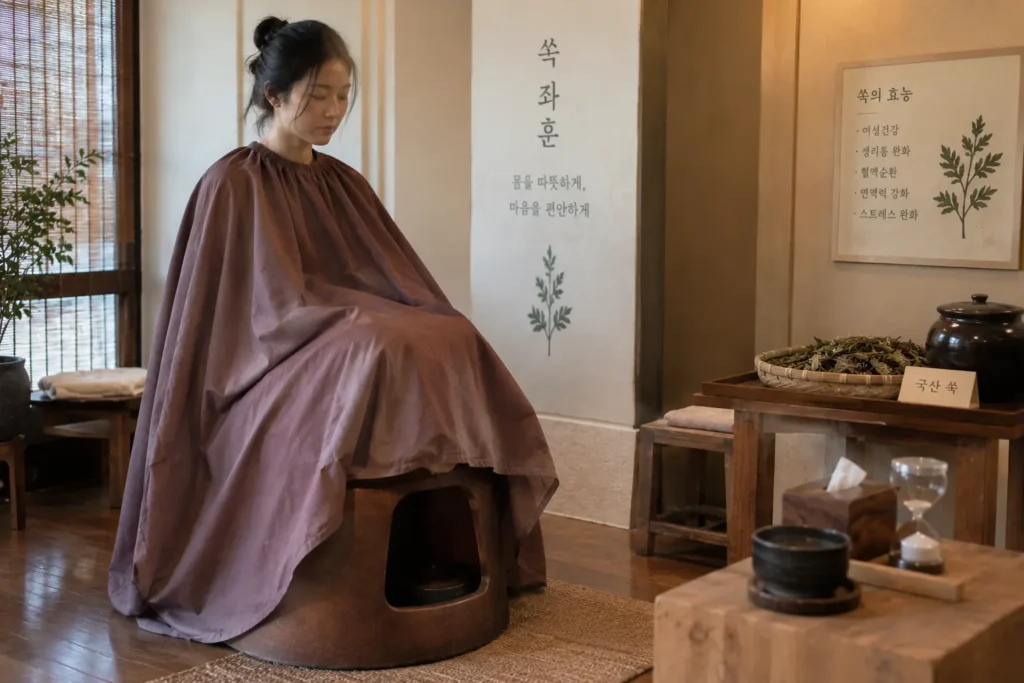
“Mugwort (Ssuk) & V-Steaming” refers to a traditional Korean-inspired wellness practice using mugwort, called ssuk (쑥) in Korean. Mugwort is a herb that has a long history in Korea and one of Korea’s most treasured native remedies for circulation, women’s health and skin purification.
Applications use warming body compresses, herbal bath teas and traditional body steaming rituals.
Benefits: It warms the lower abdomen and stimulates blood flow along with relieving muscles.
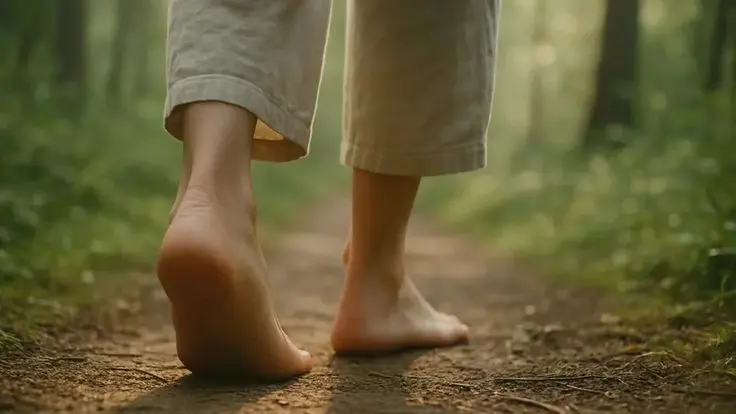
The Setup: Barefoot trails are made from red clay (Hwang-to) for people to walk barefoot.
Benefits: It reduces inflammation, improves sensory connection and also stimulates reflexology points.
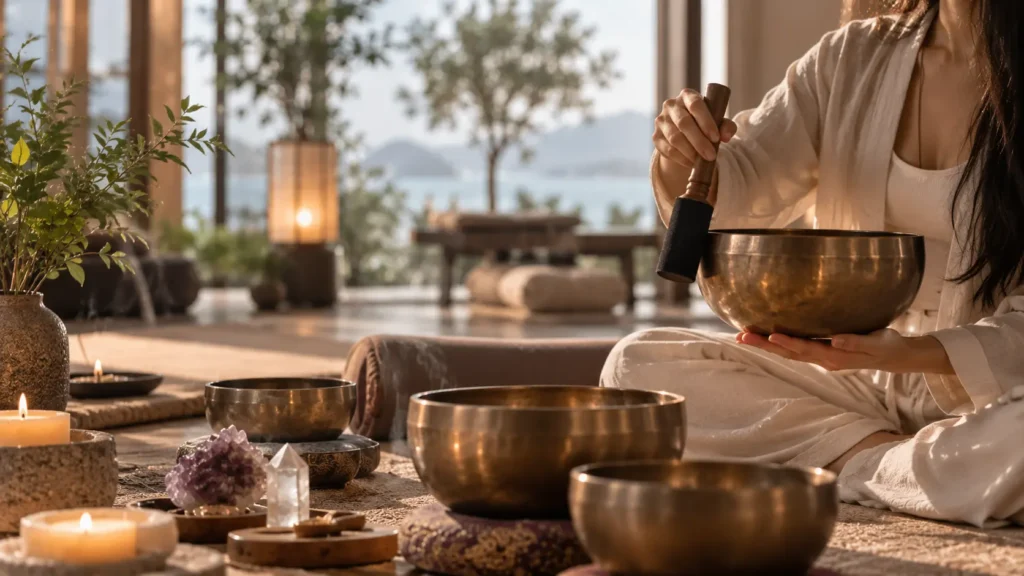
The Experience: Sessions using brass singing bowls, gongs and natural wind chimes.
The Goal: It shifts brain waves into a deep alpha or theta state, which reduces anxiety and calms an extremely overactive nervous system.
Read More:
Top 10 Chinese Makeup Brands & Best C-Beauty Products
Guide to Best at Home Biohacking Products for Everyday Wellness
Non-Invasive Beauty Treatments for Face & Body: A Guide to Modern Aesthetics
Golden Hour Glow: Elevate Your Skincare With Luminous Picks
10 Best Eye Creams for Dark Circles That Actually Work
There are no reviews yet. Be the first one to write one.

A whole world on the tip of a pencil. The story of an artist who proved that true art has no limits and that it is never too late to start all over again.
$130.00 Original price was: $130.00.$65.00Current price is: $65.00.

International fashion icon and symbol of Parisian style, Ines de la Fressange is one of the most famous women in France.

Anastasia Pilepchuk is a Berlin-based artist with Buryat roots. She creates masks and face jewellery inspired by the nature and the culture of her beautiful region.

A whole world on the tip of a pencil. The story of an artist who proved that true art has no limits and that it is never too late to start all over again.