Free shipping on all US orders
10% OF OUR PROFIT GOES TO KIDS’N’CULTURE NON-PROFIT ORGANIZATION
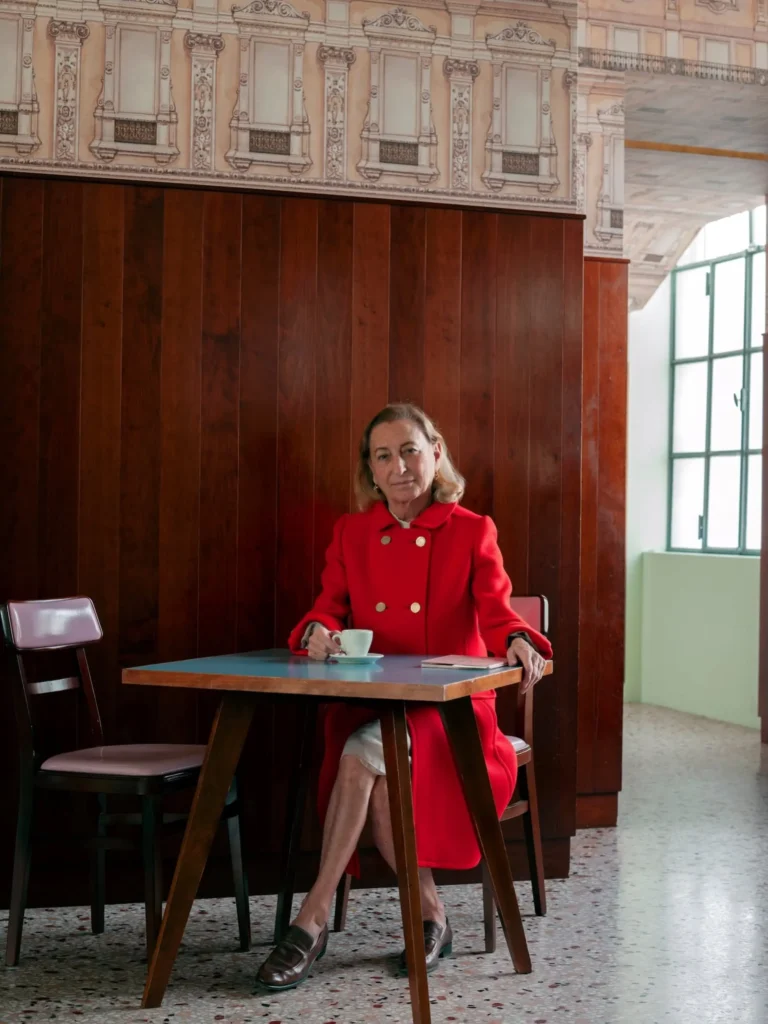
In the modern luxury fashion world, one of the most influential designers is Miuccia Prada. She is the granddaughter of Mario Prada, who founded Prada. She inherited the Milanese leather-goods business from his grandfather, and then she grew it into a global fashion brand. Miuccia Prada had a different approach to fashion and did not follow the glamour fashion of the 1980s.
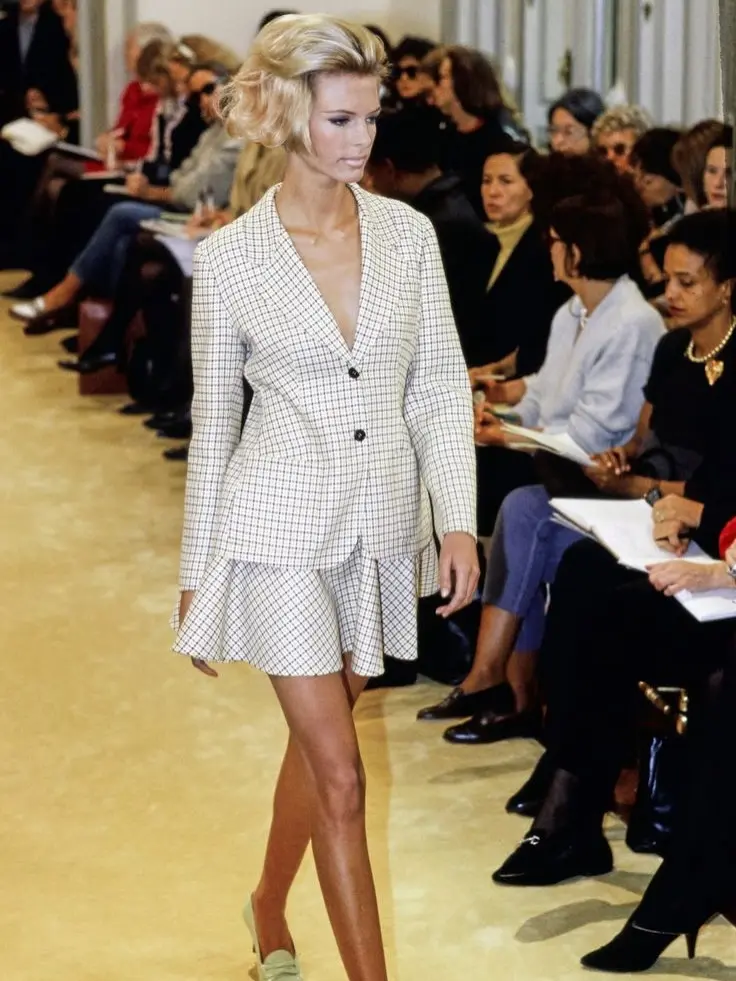
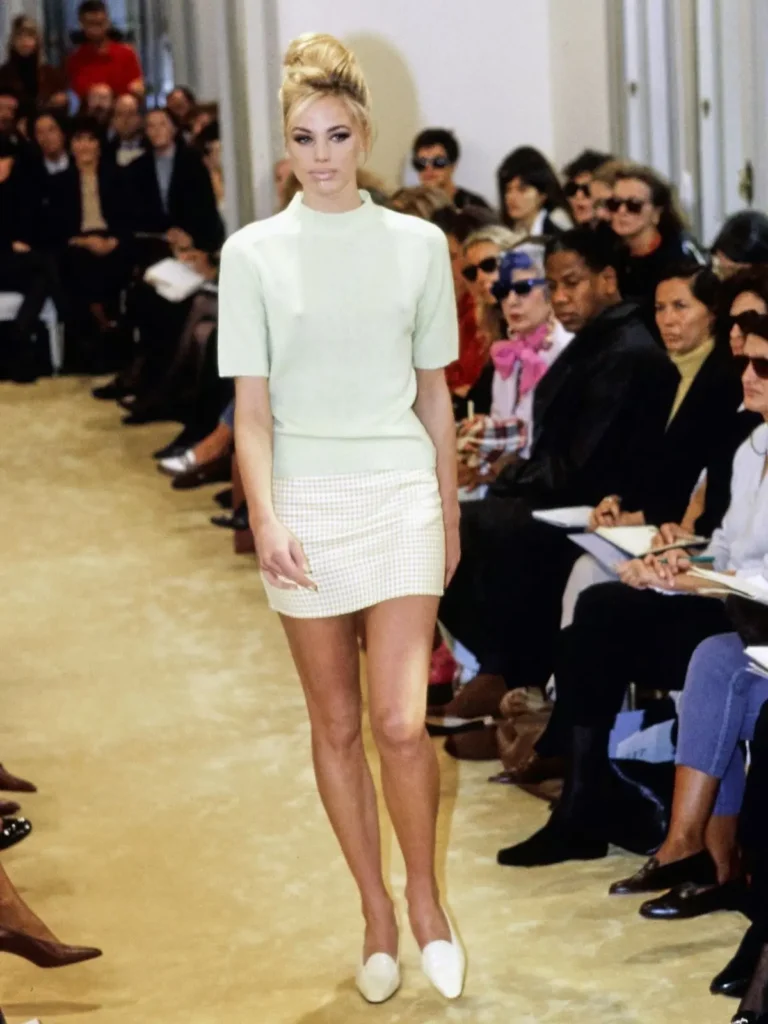
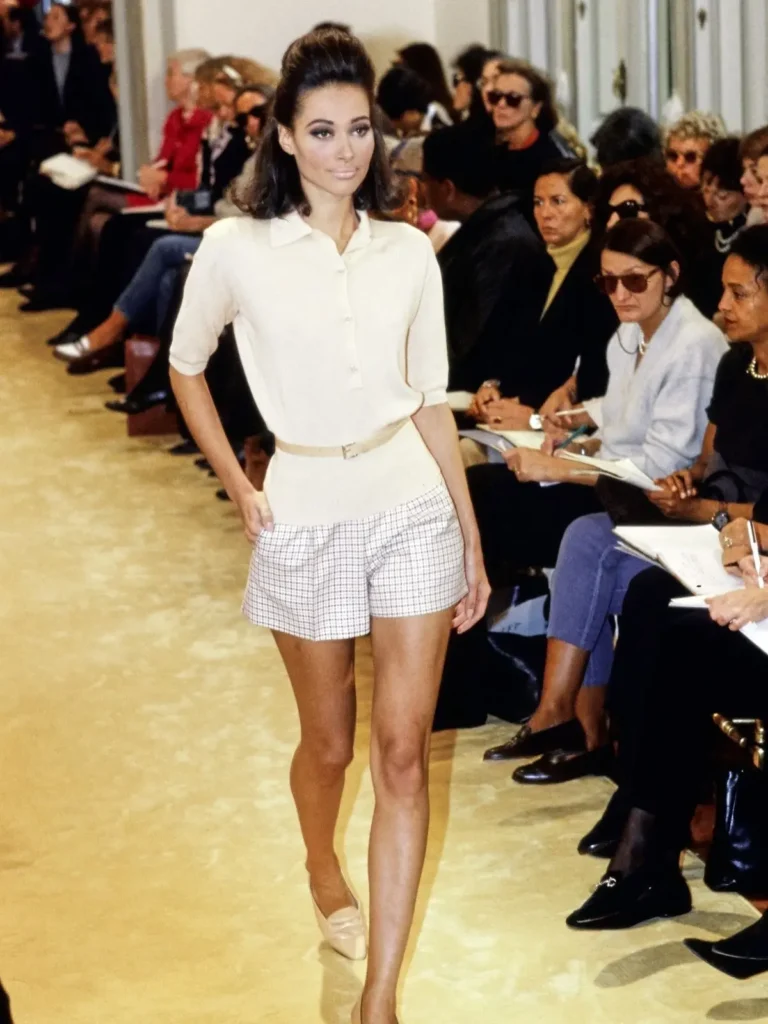
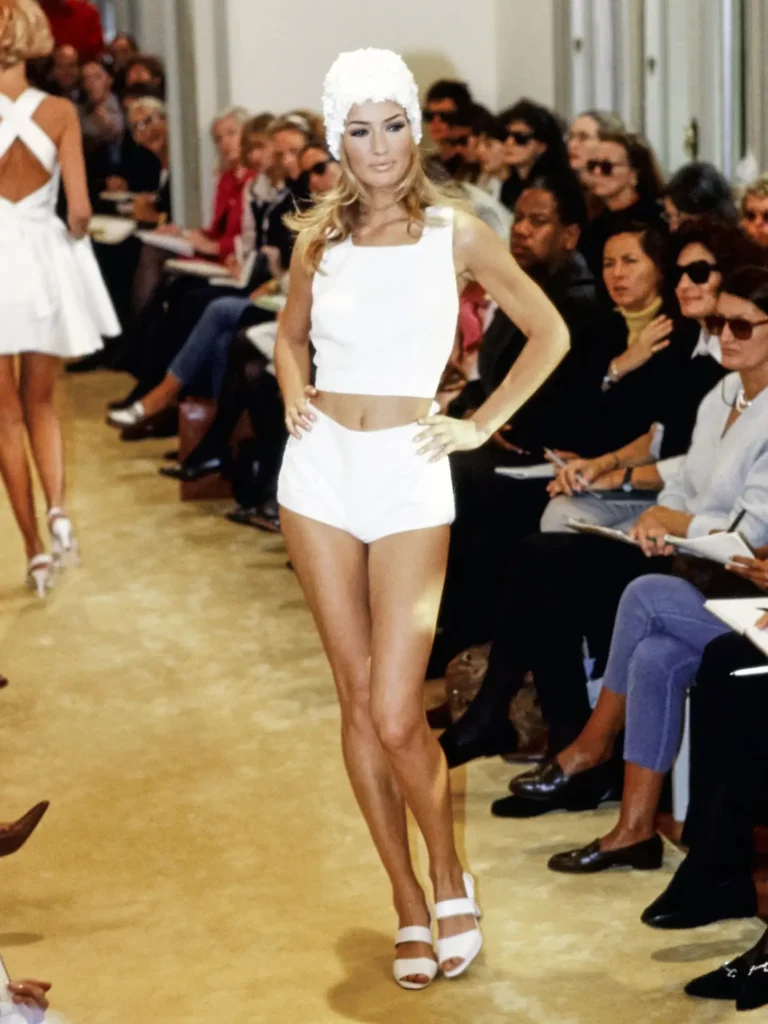
Under her supervision, Prada became famous for simple silhouettes, muted colors, unconventional fabrics and mostly for her use of industrial nylon in fashion. Miuccia did not treat luxury as a dominant thing but she made practical and ordinary materials look sophisticated.
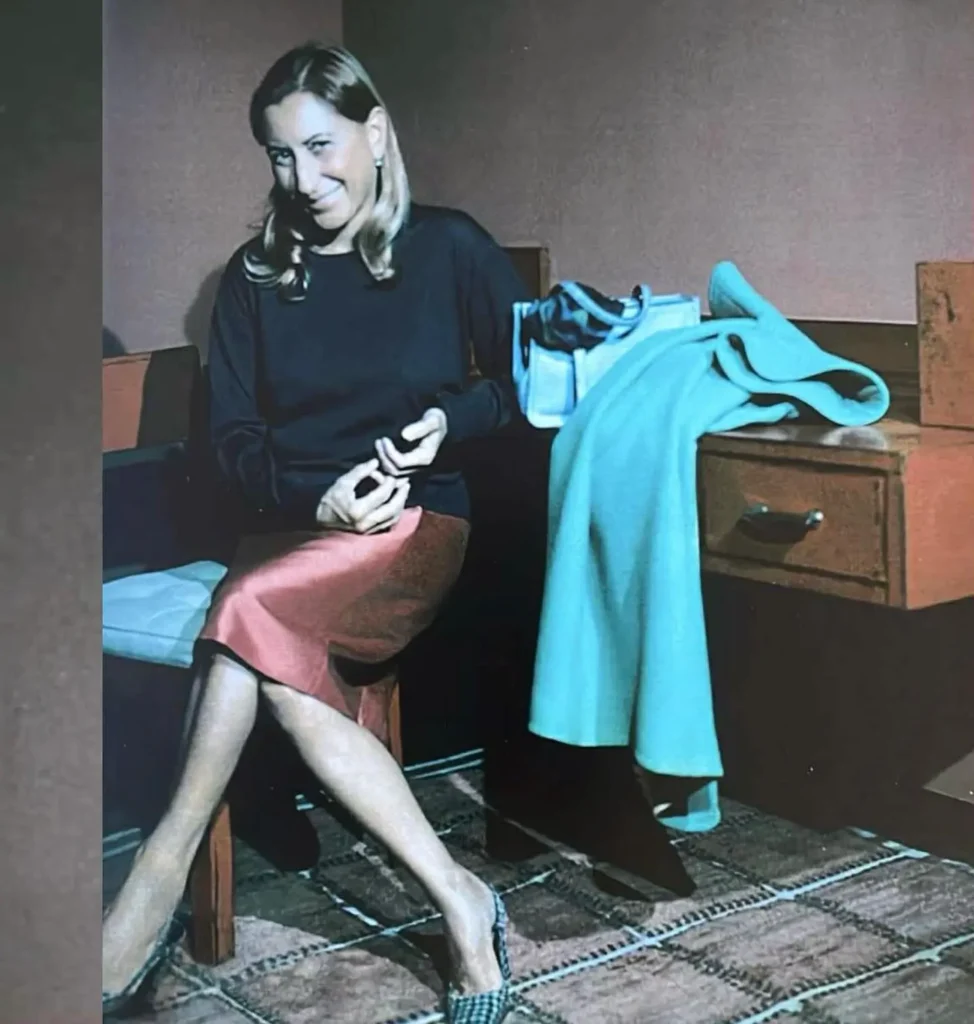
She was born on 10 May 1948, in Milan, Italy, as Maria Bianchi. After being adopted by an aunt, she took the name Miuccia Prada in the 1980s. Luigi Bianchi and Luisa Prada were her biological parents, and she had two older siblings, Albert and Marina. Her mother was the daughter of Mario Prada, who founded the Prada leather-goods company in 1913 in Milan and was in the manufacturing business.
The adoption was not because her parents didn’t want her or because she had not been raised by her aunt either. It was primarily a legal arrangement involving the family name — Prada, a business she had already inherited by her mother. Miuccia Prada was not ambitious for fashion in the beginning. At the University of Milan, she studied political science and earned a doctorate in it. She also got involved with the Italian Communist Party.
She became part of the family business in the early 1970s. During this time, Prada was not growing rapidly as a luxury business. She took over the company in 1978, after her mother, at that time Prada business was reduced to a small operation with only one store remained operational.
The company saw a major turning point when Prada started working with Patrizio Bertelli, who was an Italian leather-goods manufacturer whom she met at a trade fair. He later became Miuccia’s business partner and together they expanded the company.

Her major innovations during her early years were the decision to use Pocono nylon for handbags because, at that time, it was not being used normally as a luxury material. The material was durable, lightweight, water-resistant and also had practical applications instead of just being associated with leather. It was used to make simple, unbranded handbags. The first look of the bags appeared in the late 1970s but didn’t get immediate success.
In the 1980s, they were redesigned and launched again. A different look was seen because of the bag’s minimalist construction, gold hardware, black nylon fabric, and triangular logo of Prada. One of the significant ideas linked with Miuccia Prada was made with the success of these bags: “luxury could come from design and context rather than expensive materials alone.”
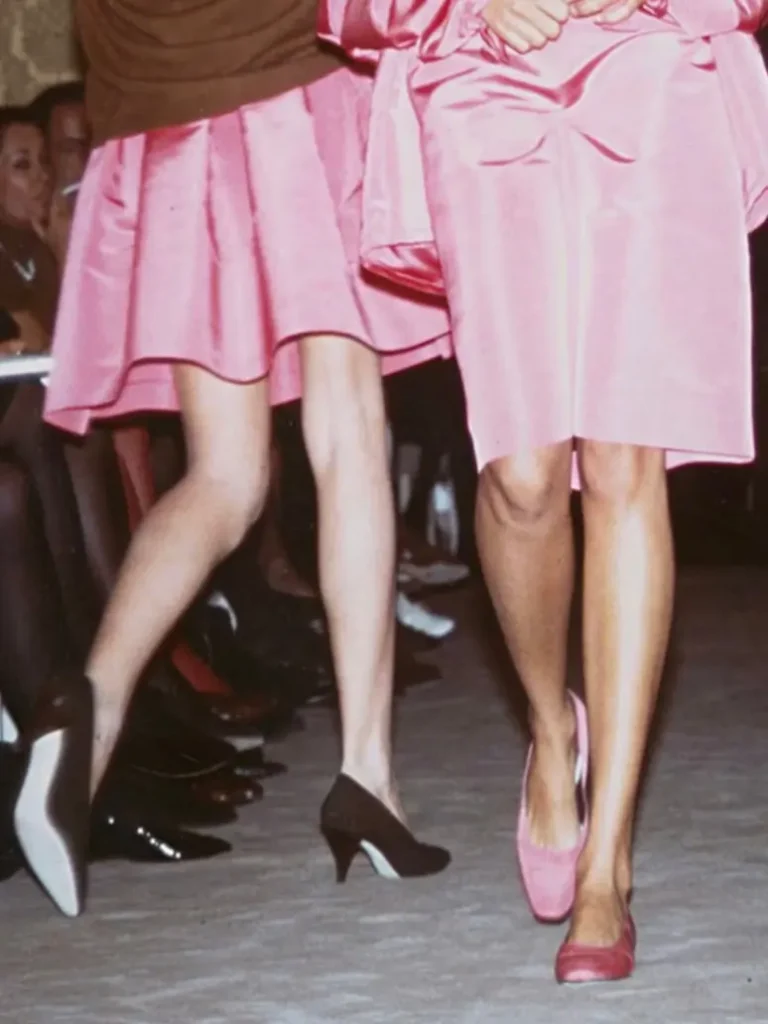
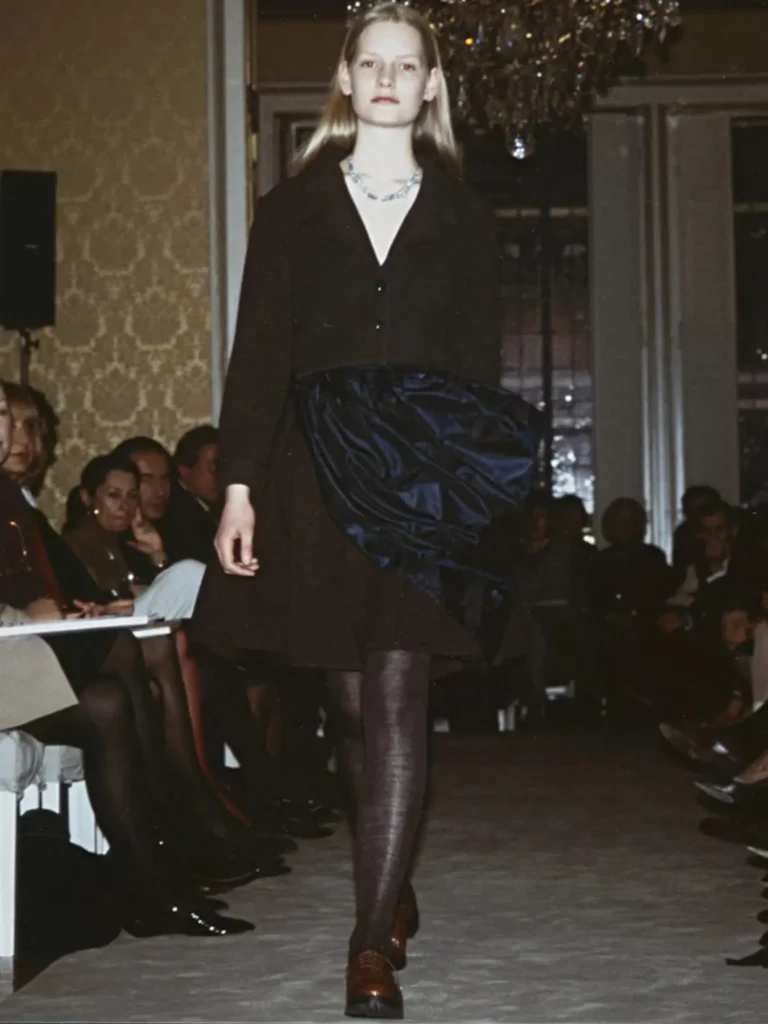
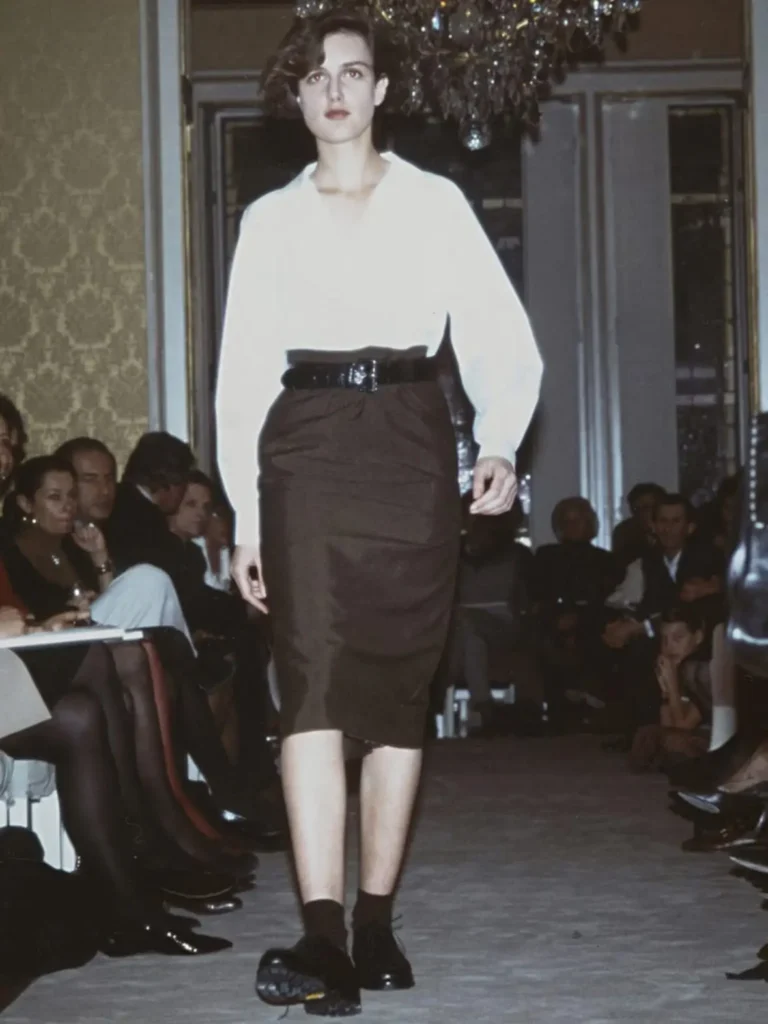
In 1988, Miuccia displayed her first ready-to-wear collection for women which was different from the fashion trends of that time. The designs by Prada kept away from all the usual drama with no revealing outfits and no flashy display of money. Instead, they went for simple shapes, muted colors, sensible fabrics and really well tailoring. This really became a cornerstone of what people recognized as the Prada look.
Her clothes basically said that being feminine didn’t need to rely on being overtly sexual. You could wear something elegant that was also comfortable and actually practical. This whole vibe also hit the mark with working women. They were looking for clothing that felt sophisticated but without the lavish flashiness that ruled fashion back in the eighties.
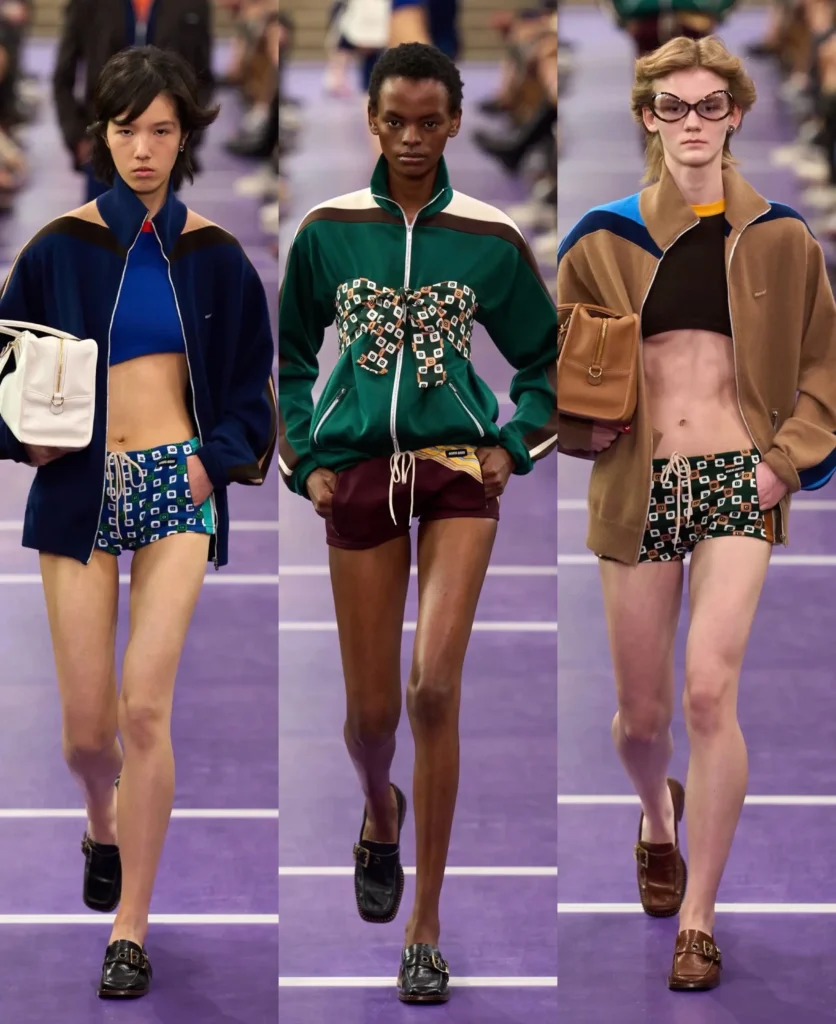
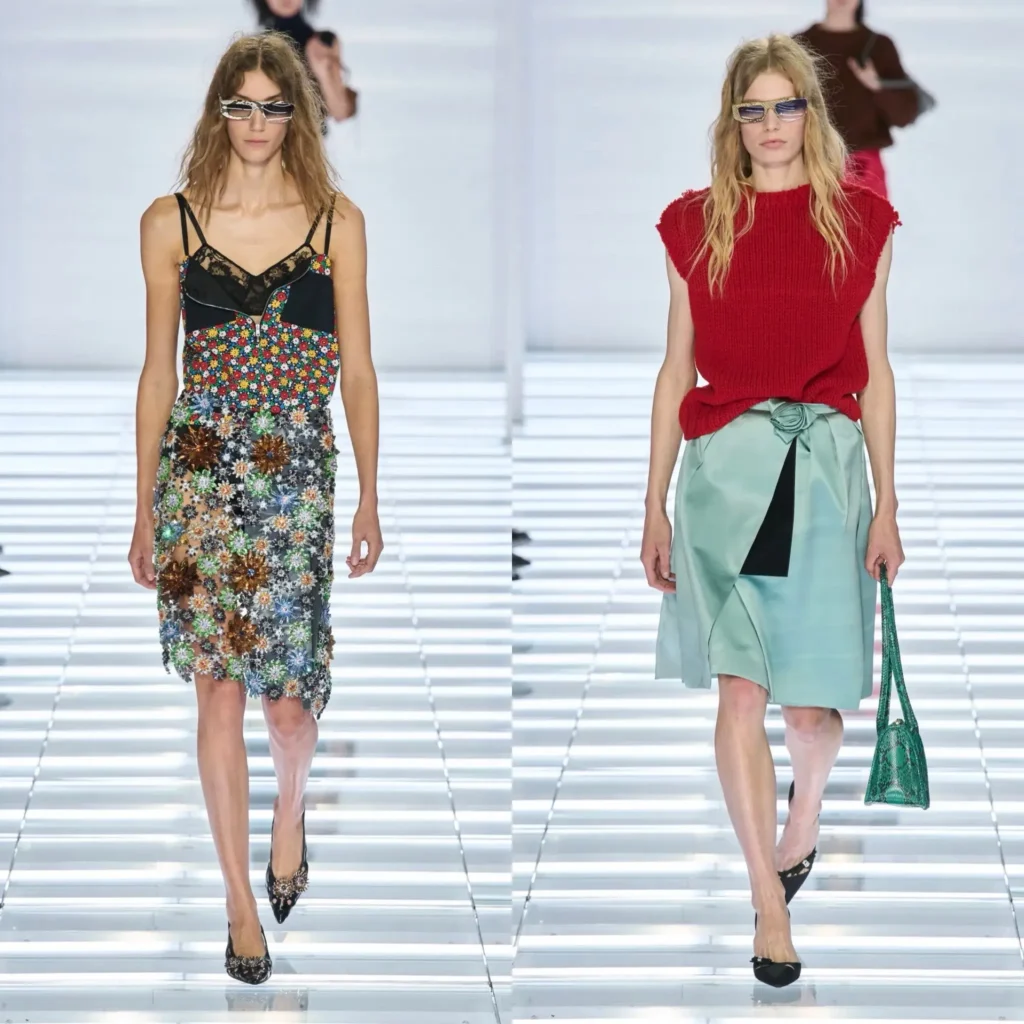
Miuccia Prada interests were far beyond fashion. She, together with Patrizio Bertelli, established Prada Milano Arte in 1993, which afterwards developed into Fondazione Prada. This became an important platform for contemporary art and culture. Exhibitions and programs connected to artists, architects, photographers, filmmakers and other figures were part of this.
For Miuccia Prada fashion stayed within a larger cultural environment. Art, architecture, design, film, and clothing could together inspire each other without being treated as the same discipline.
Read More:
Willy Chavarria: Fashion’s New Voice Is Changing Menswear
Jeanne Damas: The Parisian Style Icon Behind Rou
Jonathan Anderson: The Designer Redefining Modern Fashion
Top 10 Emerging Fashion Designers Today Shaping Fashion
Zana Bayne: The Leather Designer Who Brought the Fashion Harness Into the Mainstream
There are no reviews yet. Be the first one to write one.

A whole world on the tip of a pencil. The story of an artist who proved that true art has no limits and that it is never too late to start all over again.
$130.00 Original price was: $130.00.$65.00Current price is: $65.00.

International fashion icon and symbol of Parisian style, Ines de la Fressange is one of the most famous women in France.

Anastasia Pilepchuk is a Berlin-based artist with Buryat roots. She creates masks and face jewellery inspired by the nature and the culture of her beautiful region.

A whole world on the tip of a pencil. The story of an artist who proved that true art has no limits and that it is never too late to start all over again.