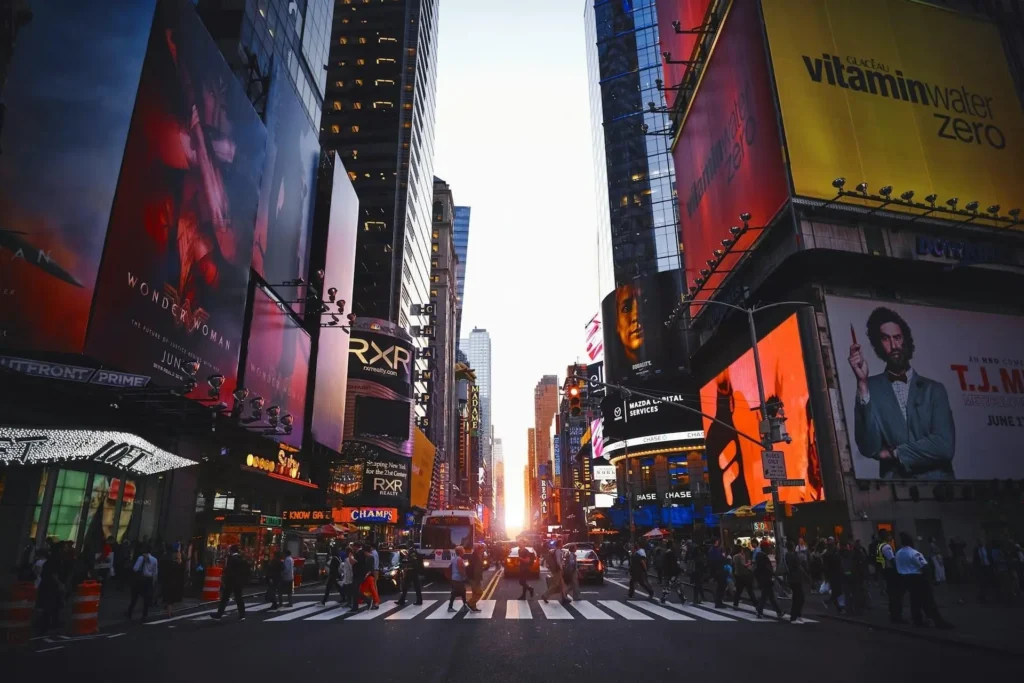
New York has long been associated with reinvention. The city’s influence stretches across fashion, publishing, photography, music, architecture, and visual culture, shaping global creative trends for decades. What makes New York particularly influential is not simply its scale, but the way different creative industries constantly intersect with one another.Fashion draws inspiration from street culture. Art influences editorial design. Music shapes visual identity. Luxury aesthetics merge with underground creativity. This constant overlap has helped establish New York as one of the world’s most influential environments for branding and visual storytelling.Today, that influence is increasingly visible within the beauty industry as well. Modern beauty branding no longer revolves solely around products or formulas. Instead, it has become deeply connected to aesthetics, identity, presentation, and emotional perception. Packaging, campaign visuals, typography, textures, and digital presentation all contribute to how consumers experience a brand long before they ever test the product itself. In many ways, beauty branding now functions more like fashion culture than traditional retail marketing.
Social media transformed the relationship between consumers and design. Platforms built around visual content accelerated the importance of presentation across nearly every industry, but beauty was particularly affected because it naturally blends personal identity with visual storytelling.Consumers no longer encounter products only on retail shelves. They discover them through editorial photography, influencer videos, curated flat lays, short-form content, and aesthetic-driven digital campaigns. As a result, brands increasingly compete not only on quality, but also on how visually recognizable and emotionally engaging they appear online.
This shift has elevated the role of design teams, creative directors, photographers, stylists, and packaging specialists within beauty companies. Modern consumers often associate visual consistency with professionalism, trust, and product quality. Minimalist packaging, carefully selected materials, distinctive typography, and premium textures all help create stronger emotional impressions. The product itself still matters, of course, but presentation increasingly shapes how consumers perceive the product before they even use it.
New York’s broader creative ecosystem has played a major role in this evolution. The city’s fashion industry helped normalize the idea that branding extends beyond logos and advertisements into complete visual worlds. Luxury fashion houses, editorial magazines, gallery spaces, and independent designers all contributed to a culture where aesthetics became inseparable from identity.Beauty brands operating within or inspired by New York creative culture often adopt similar principles:
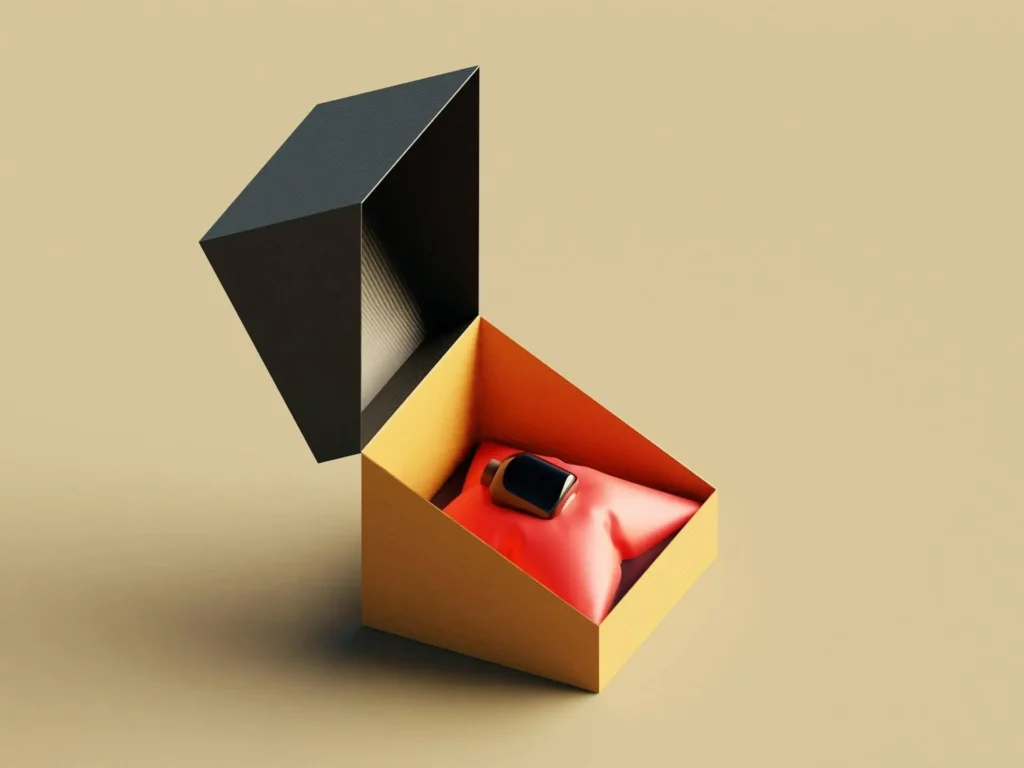
Packaging now communicates far more than product information. Color palettes, finishes, materials, shapes, closures, and textures all contribute to the emotional language surrounding a beauty product. In some cases, packaging becomes so visually recognizable that it functions almost like a fashion accessory or collectible object. This is particularly visible in luxury skincare,.fragrance, and boutique cosmetic brands where product presentation often reflects broader cultural trendsMuted neutral palettes may communicate minimalism and sophistication. Sculptural packaging shapes may reference artistic influences. Sustainable materials may reinforce environmental values. Metallic finishes may create associations with futurism or luxury.
Consumers increasingly interpret these design choices subconsciously as part of the overall brand personality. This evolution explains why packaging discussions now involve not only manufacturing concerns, but also creative direction, user experience, sustainability strategy, and social media visibility simultaneously.
Visual platforms accelerated this transformation dramatically. Beauty products are now constantly photographed, filmed, reviewed, and displayed online. Packaging appears in:
As a result, brands increasingly design products with digital visibility in mind from the earliest development stages.Packaging that photographs well often gains greater organic exposure online. Products with strong visual identity become easier to recognize across crowded feeds. Even small details such as cap design, labeling texture, or reflective finishes can influence how products perform visually in content environments. In many cases, packaging itself becomes part of the entertainment value surrounding beauty culture.
The beauty industry will likely continue moving toward more immersive and visually driven branding strategies in the years ahead. Consumers increasingly expect products to feel intentional, aesthetically refined, and aligned with broader lifestyle values. Sustainability, functionality, and visual identity will continue merging into a more integrated form of product presentation.At the same time, creative inspiration will likely continue flowing from cities and cultural environments that shape global design trends. New York’s influence remains especially powerful because it continuously blends art, fashion, commerce, and visual experimentation into a single evolving creative ecosystem.For beauty brands, this means packaging and branding will increasingly operate as extensions of cultural identity rather than simple marketing tools. The future of beauty branding is no longer only about selling products. It is about creating visual experiences consumers want to engage with, display, share, and remember.