Virtual Art Galleries | Immersive & Interactive Art Installations

Virtual Art Galleries | Immersive & Interactive Art Installations

As the digital age advances, museum exhibitions and gallery walls are no longer the only places where art is displayed. Art has been transformed through virtual galleries, which have changed how people experience, collect, and interact with it. From immersive 3D exhibitions to NFT marketplaces and VR museum tours, the art world is expanding beyond geography and time zones. Artists, curators and collectors now have access to global audiences with just a click. Virtual art galleries are not just a temporary trend; now they represent a powerful shift in how creativity is displayed and consumed. In this article, we will let you guide all about virtual art galleries so let start it:

What Are Virtual Art Galleries?

Not that clicking through a scrolling website or a digital catalog is called a virtual gallery, yet today’s online versions act like so much more. By 2026, these spaces seem too real, pulling viewers in with immersive environments that mimic depth, sound and light also it feels like you are physically standing there.
These three types of categories are usually seen:
  1. 3D Immersive Tours: High-resolution, 360-degree captures of physical spaces like you are stepping inside museums like the Louvre, full-circle visuals captured in 3D detail. Float through corners otherwise hard to reach, moving virtually from one spot to another without chains or guides.
  2. Metaverse Galleries let people walk through digital worlds using an avatar of themselves. While exploring, they can easily chat with fellow collectors right when they stop by a piece. These spots exist only online, shaped entirely by creators.
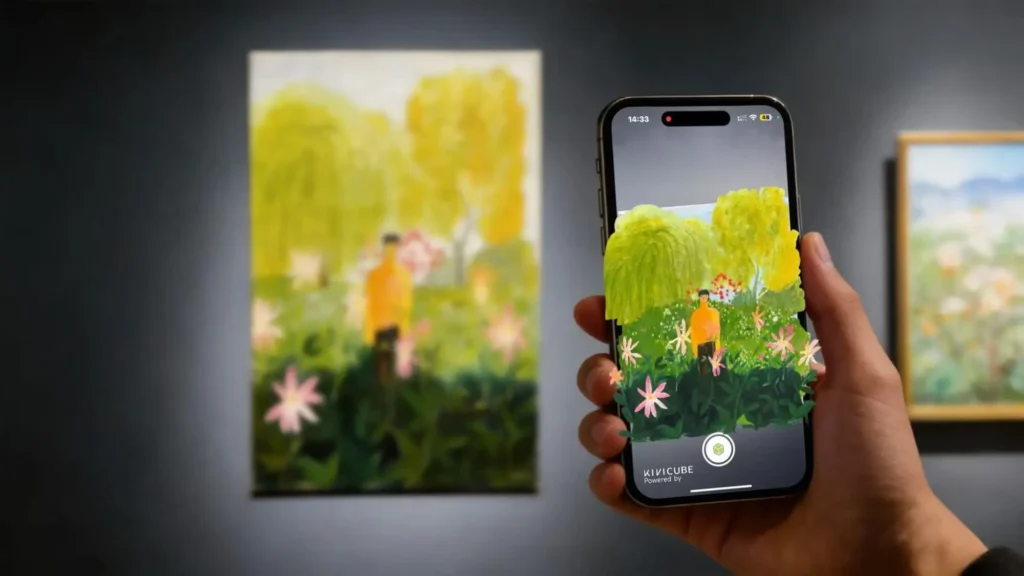
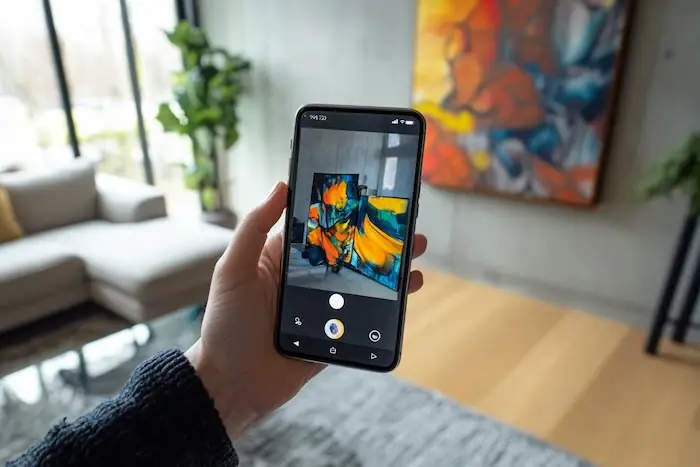
  3. Augmented Reality (AR) Previews is like  your space live test. Picture a painting floating in your kitchen and see how it looks today before purchasing. Tools snap a room photo, drop art inside, check glare, size and mood. Not a store shelf view.

The Rise Of Virtual Art Spaces

a phone in hand showing digital art on wall
When lockdowns hit virtual art galleries suddenly felt popular because museums shut down due to COVID-19 and artists found new ways to show work fast. Online tours popped up overnight from places once crowded and digital exhibits filled screens more than walls did. Right now, major museums such as the Louvre, the British Museum and the Metropolitan Museum of Art let people explore their galleries through web pages online and virtual tours. Meanwhile, individual creators now turn to tools like Artsteps, Kunstmatrix, or Spatial to build a digital exhibition of their own work.

Benefits for Artists

Virtual art galleries provide major advantages for creators:
  • Lower Costs: No need to rent physical space.
  • Wider Audience: Reach international collectors instantly.
  • Creative Freedom: Use digital tools, animation, AR, or AI art.
  • Control: Artists can curate and manage their own exhibitions.
For emerging artists especially, virtual galleries offer visibility without gatekeepers. This development blurs the line between gaming, technology, and fine art. Artists can create entirely digital experiences rather than static pieces.

Key Features Of Virtual Art Galleries

3D Immersive Gallery Spaces

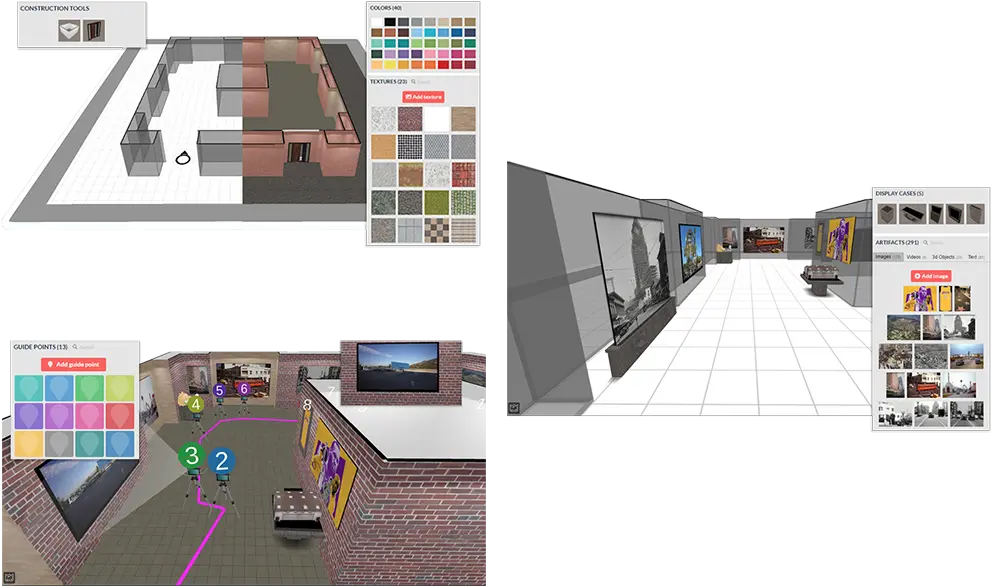
3D Immersive digital Gallery look
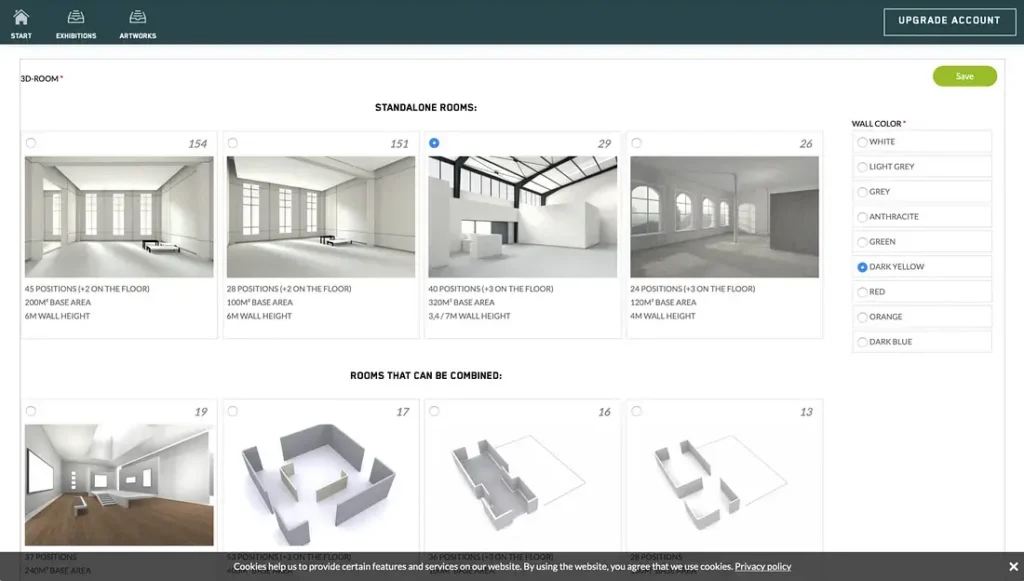
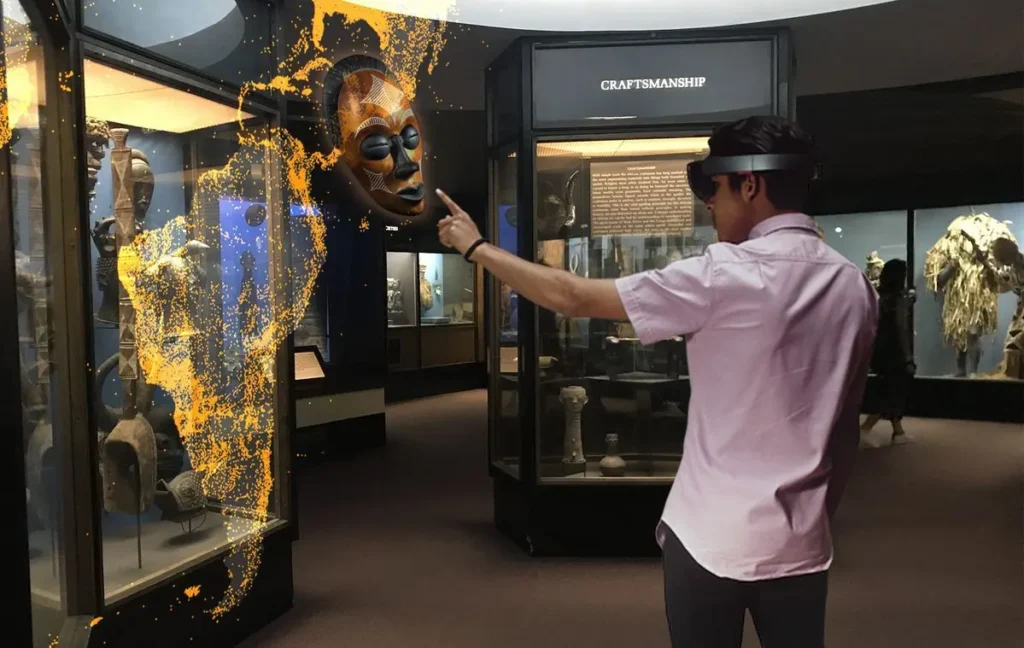
What makes virtual art galleries stand out is that they build lifelike three-dimensional displays. Tools such as Kunstmatrix or Artsteps let creators craft digital rooms that are like actual galleries, almost exactly like walking into one. These setups mimic real-world exhibit areas, giving visitors a sense of depth and presence.
Guests can:
  • You can walk through the exhibition by using a mouse and keyboard
  • You can rotate their view 360 degrees like you can take a moment to see things from all sides – spin their perspective fully
  • Zoom in on artwork details
  • Click on pieces for more information
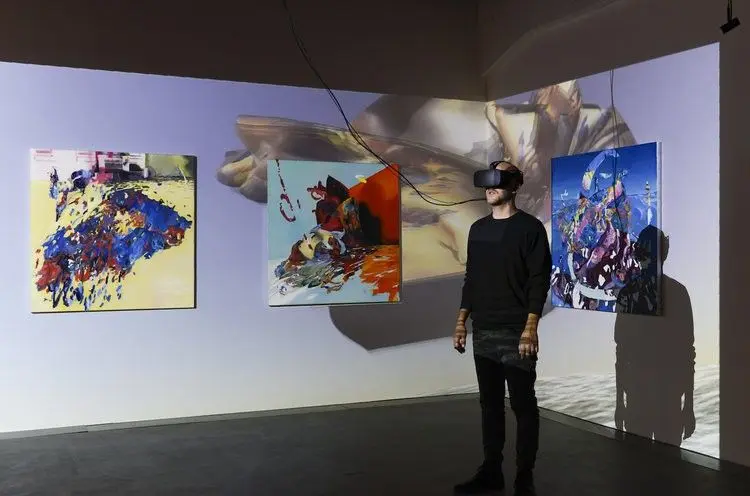
Some platforms even nowadays giving support for VR headsets which creates a fully immersive experience same like physically being in a museum.

Multimedia & Interactive Integration

3D Immersive digital Gallery look
Beyond still pictures, virtual galleries allow creators to weave in dynamic elements. These spaces grow through the inclusion of things like:
  • Video art
  • Animation
  • Soundscapes
  • Augmented reality (AR) elements
  • Interactive storytelling

What happens next feels alive, nothing like static rooms. Digital creators can add motion effects, background sound, or clickable clues so people can understand along with a proper guide.

Built-In E-Commerce & NFT Integration

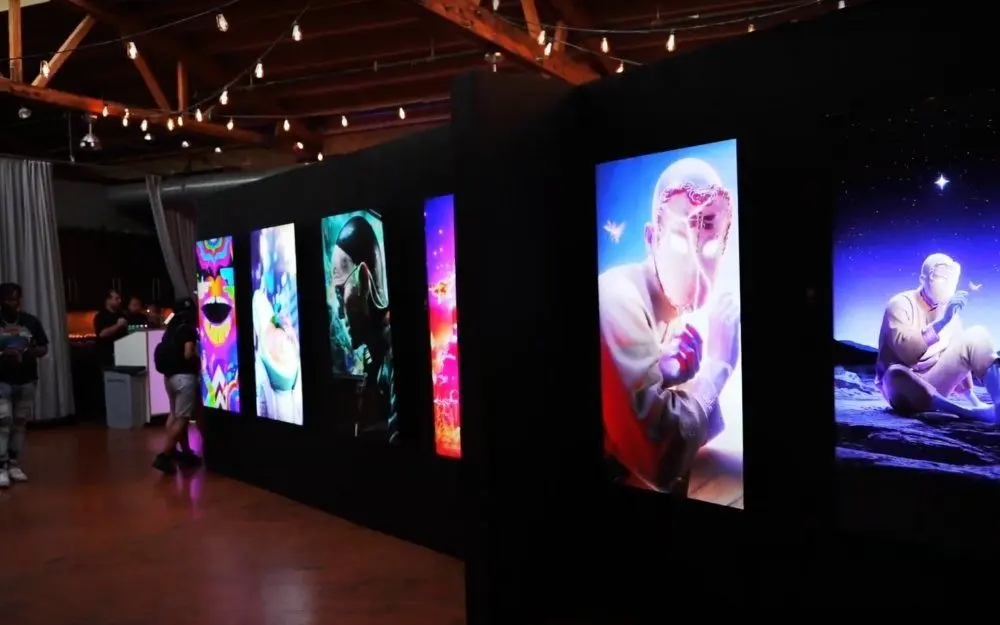
Virtual Art Gallery look
Some virtual galleries let you buy right away. Often they come with
  • Secure payment systems
  • Artwork pricing display
  • Surprise pop-ups when stock’s low
  • NFT minting and blockchain verification
Using web links tied to NFT stores, creators can trade digital creations while proving real possession via blockchain tools. Inside digital worlds such as Decentraland, members buy and show NFTs within virtual environments. This feature is giving benefit to independent artists by eliminating middlemen.

Curatorial Customization & Design Control

Immersive-visual-experience-of digital art gallery

Unlike traditional galleries that operate during fixed hours and specific locations, virtual galleries are accessible:

  • From anywhere on Earth
  • At work on laptops, slates or phones
  • Anytime
Location and money hurdles fade when virtual space takes over. Watching from the UK, the United States, or Europe feels like stepping into the same room – no travel needed. Major institutions such as The Metropolitan Museum of Art and The British Museum offer digital collections that can be explored anytime.

Challenges Of Virtual Art Galleries

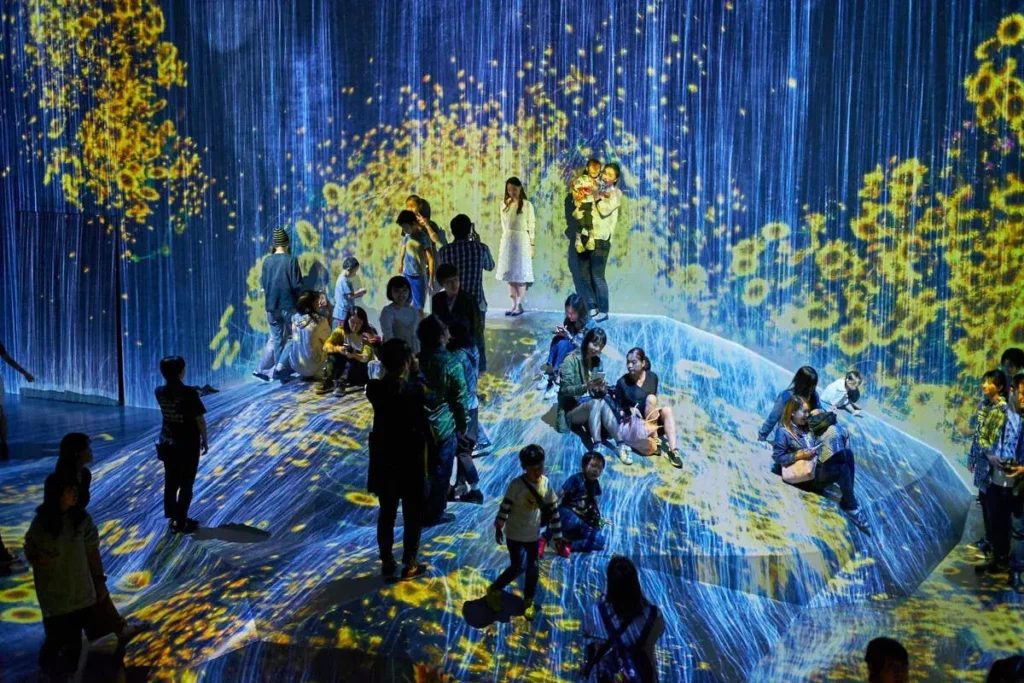
nteractive-art-installations look
Even though they help but virtual galleries still run into problems like :
  • Lack of physical presence and emotional impact
  • Screen fatigue
  • Technical limitations for some users
  • Digital piracy concerns
  • Too much art online these days. Platforms overflow. Attention spreads thin. What stands out gets lost in the crowd.
Some people prefer holding a brush instead of swiping a screen. Seeing real paintings on walls gives them something intangible.

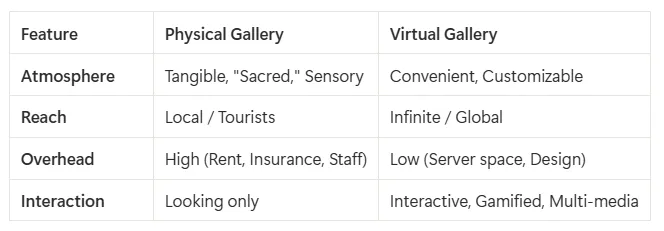
Comparison Table: Physical VS Virtual

physcial art vs virtual art gallaeries comperison table
A quick look over the table helps the reader digest the pros and cons:

The Future of Virtual Art Galleries

Virtual Art Galleries look
We aren’t seeing the death of physical galleries but rather the birth of the “Phygital” model. Artificial intelligence, blockchain along with immersive techs are reshaping entire industries. Faster internet connections are spreading while VR tools grow more accessible – so digital art galleries might become mainstream rather than alternative. Now lets check how Tech Trends Shaping 2026
  • Photorealism & Light: Advanced rendering engines now show how light hits a canvas. In a gallery at 6:00 PM, the “sun” in the virtual room changes according to the time and it will show casting realistic shadows.
  • Spatial Audio: As you move your avatar closer to a sculpture then you will feel or hear the artist’s recorded voice talking about its inspiration, or ambient sounds that change according to the position of your avatar within the room.
  • With WebXR, people can step right into VR using just their browser. No heavy software to install. No expensive hardware needed either. It works by simply clicking a link – then you are there.

Conclusion

Out in the digital world, art shows are changing how pieces get seen, felt, and sold. Because they exist online, empower independent artists and create immersive digital experiences. These spaces may lack the real-world touch of holding a brush or walking into a room with art on the walls. Still, what emerges is fresh ways for artists to express themselves, and wider doors for others to join in. Where technology shapes most things now, virtual art galleries show not the art but become an evolution of art itself.

FAQs

How to Create a Virtual Art Gallery?

Pick an online space for art, like Kunstmatrix or Artsteps.
  • Post clear photos or digital versions of what you created.
  • You can customise how things line up – walls, lights and spacing.
  • Add up artwork details, descriptions plus prices.
  • Sales Features can shift into interactive or sales mode when required.
  • Publish it and share the gallery link out where people can see it, pass it around.
Ready now, step into the digital show whenever you like.

Are virtual galleries limited to contemporary art?

No. Virtual galleries can display all types of art including from classical and historical collections to modern, contemporary and fully digital works.

Can I see how the artwork will look in my own space?

Yes. Many platforms now include Augmented Reality tools which allow you to preview artwork on your wall by using your smartphone or tablet camera before making a purchase.

Do virtual galleries replace traditional galleries?

Not completely. Virtual galleries are designed to complement, not replace the physical spaces. They expand reach to global audiences and provide additional interactive features.
COMMENT

There are no reviews yet. Be the first one to write one.

Actually, this article could
be in your email

Featured materials from FOXYLAB MAGAZINE
are available in our newsletters.
Subscribe and get a dose of inspiration!

more articles

A whole world on the tip of a pencil. The story of an artist who proved that true art has no limits and that it is never too late to start all over again.

READ MORE ARTICLES

International fashion icon and symbol of Parisian style, Ines de la Fressange is one of the most famous women in France.

Anastasia Pilepchuk is a Berlin-based artist with Buryat roots. She creates masks and face jewellery inspired by the nature and the culture of her beautiful region.

A whole world on the tip of a pencil. The story of an artist who proved that true art has no limits and that it is never too late to start all over again.

Search

FOLLOW US ON