Free shipping on all US orders
10% OF OUR PROFIT GOES TO KIDS’N’CULTURE NON-PROFIT ORGANIZATION
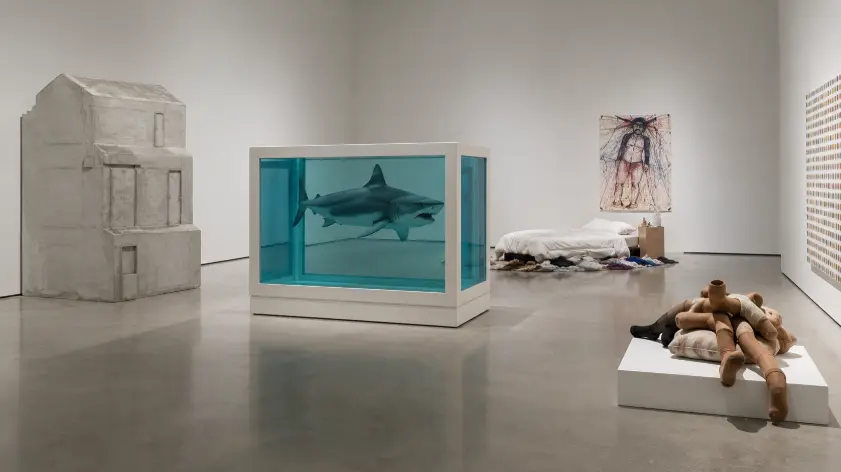
Young British Artists (YBAs) movement led the transformation of art world. The artists of the movement rejected conventional artistic rules and became symbols of a new generation. These artists are Damien Hirst, Tracey Emin, Sarah Lucas, and Chris Ofili.
They worked on themes of identity, consumer culture, mortality, and personal experiences, along with social issues; these themes generated controversies, but they also gained huge world fame. They kept the legacy of YBAs in such a way that people understand art and continue to influence contemporary artists, galleries, and collectors.
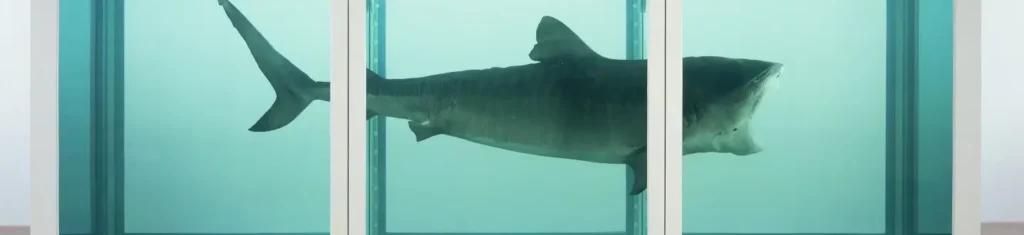
Damien Hirst is an international artist of the YBAs, and he worked on themes of life, death, science, beauty, and human existence. He became popular for using unusual materials and creating art that allowed viewers to confront uncomfortable subjects.
“The Physical Impossibility of Death in the Mind of Someone Living” (1991) is his iconic work that shows the preservation of a tiger shark in formaldehyde solution; this piece of art was considered the symbol of the YBA movement because of the way it was presented and its question about mortality and the relationship between art and reality.
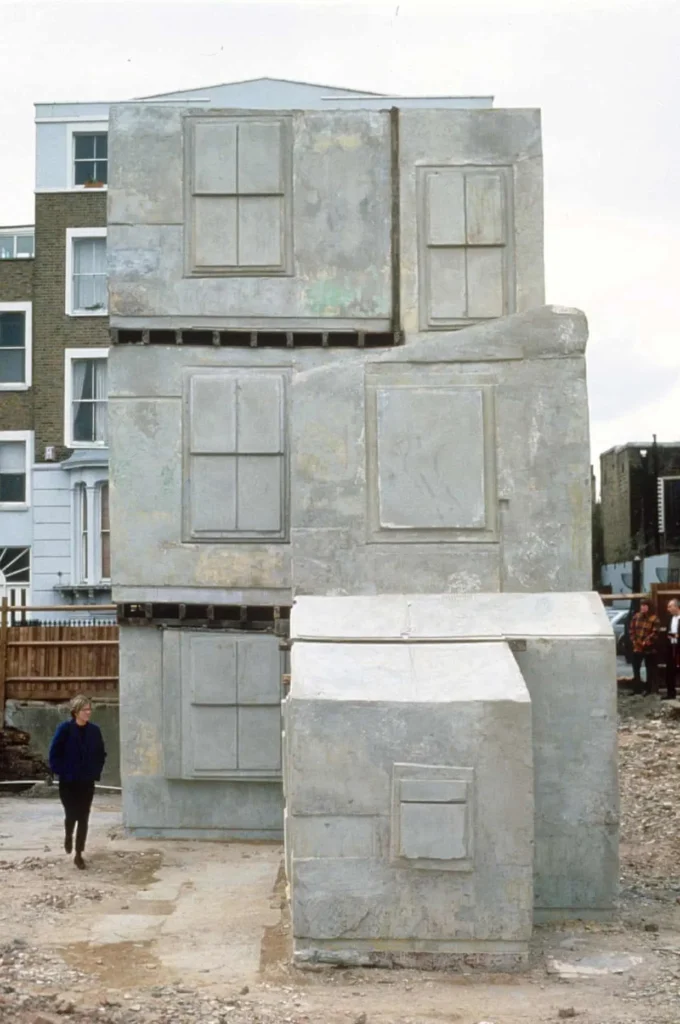
Rachel is a recognized artist of the YBA and is famous for her different approach to sculpture. She makes casts of empty spaces that are around objects, buildings, and environments rather than making traditional sculptures.
Rachel made a concrete cast of the interior of a Victorian terraced house located in East London and named it “House” (1993), this transformed a domestic space into a reflection of memory, architecture and landscapes. Her work was mainly based on the traces left behind by human activity and she was the first woman to win the Turner Prize in 1993.
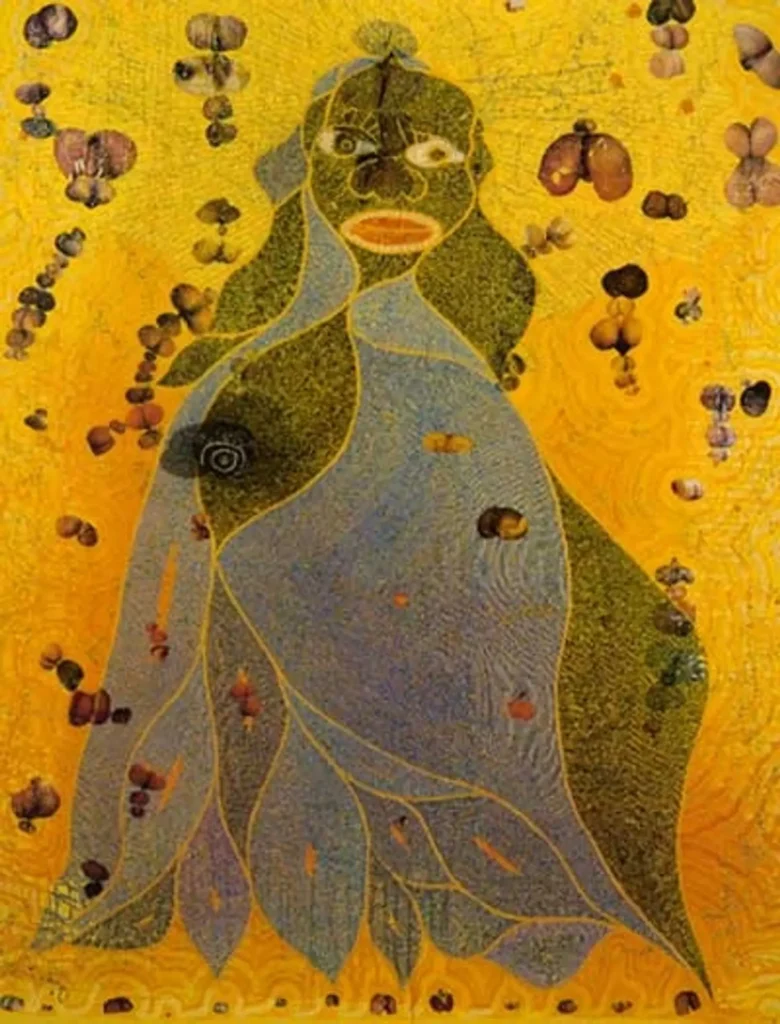
Chris Ofili is a British artist famous for his colourful paintings that were influenced by the culture of Africa, religion, popular culture, mythology, and art history. He questioned race, identity and representation through his work. He was known for his painting “The Holy Virgin Mary” (1996), which was made from materials like glitter, resin, and elephant dung.
It led to controversy, but at the same time allowed discussions on cultural identity, religious imagery, and artistic freedom. He used bright colors, decorative patterns and layered symbolism to make detailed paintings and also won the Turner Prize in 1998.
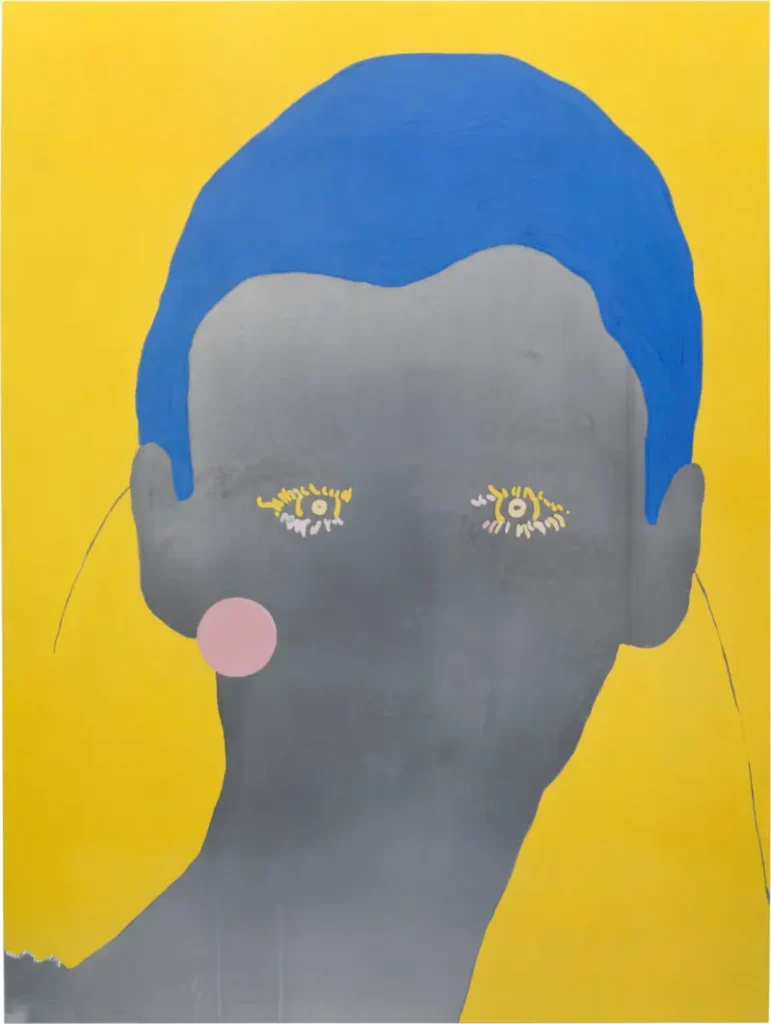
Gary Hume is famous because of his minimalist paintings that are made of bold colors, smooth surfaces, and simplified images. With the rise of the Young British Artists, he also got recognized for his different thinking towards portraiture and everyday subjects.
Hume originally became famous for his “Door Paintings”, which transformed hospital doors into abstract artworks with clean lines and reflective surfaces. He also worked on subjects like flowers, animals, celebrities, and human figures. His paintings seem to be simple at first, but show deeper interpretation through the use of color, shape, and visual reduction.
His work helped expand ideas about contemporary painting during a period when installation and conceptual art were becoming dominant.
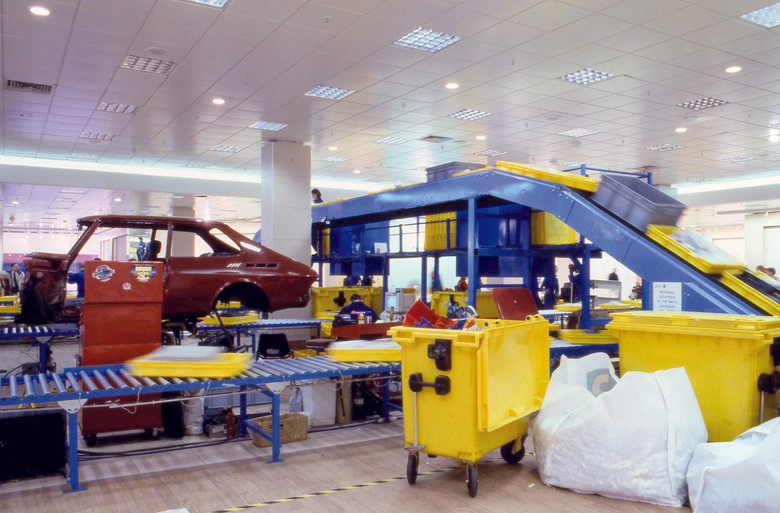
Michael Landy is a conceptual artist who examined the themes of consumerism, value, possessions, and society. By being part of the YBA movement, he became famous for work that questioned how people give meaning to objects. “Break Down” (2001) is his famous work, which involved the destruction of personal belongings like clothes, furniture, and sentimental things.
This explored the idea of materialism and emotional connections that people develop with their things. His work challenges viewers to rethink habits and social systems; along with this, his experimental approach shows the interest of the YBA in exceeding boundaries of what art reflects.
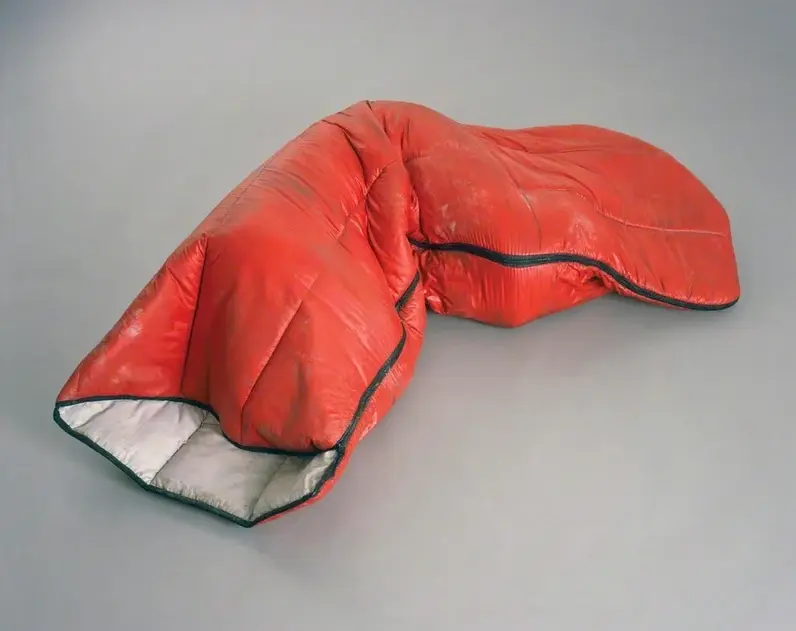
Gavin Turk, being a conceptual artist, explored the ideas of authorship, identity, originality, and fame; along with this, he questions what makes something valuable in the arts and how artists are recognized. He gained fame because his work referred to famous artists and symbols; one example of his work is a sculpture “Pop” (1993), which features Turk dressed as Sid Vicious that referred to Andy Warhol’s portrait of the punk musician.
Gavin’s work explores ideas of celebrity, imitation, and artistic identity; along with this, he made sculptures on everyday items like rubbish bags, wax figures, and packaging that changed simple things into artistic objects. His work continues the tradition of the YBA, questioning traditional art and creativity.
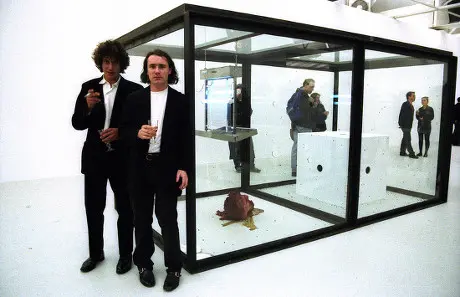
Success of Young British Artist was mainly by the support of Charles Saatchi who is an art collector and Saatchi gallery owner. He introduced YBA artists in front of a large audience through his exhibitions and also gave financial support to them. The exhibition of 1997 “Sensation: Young British Artists from the Saatchi Collection” was a major moment in defining the YBA movement.
The exhibition showed the work of various YBAs and afterwards went for an international tour, including a presentation at the Brooklyn Museum in New York. The exhibition helped establish British contemporary art as a major force on the global stage.
Read More:
How Cindy Sherman Changed Conversation Around Identity | Art, Photography & Self-Expression
David Hockney: The Artist Who Changed Modern Art
15 influential Museums & Art Galleries in London
The Bushwick Collective: A Canvas of Urban Creativity
ART TOYS: TAKASHI MURAKAMI AND THE SECRETS OF SMILING FLOWERS
There are no reviews yet. Be the first one to write one.

A whole world on the tip of a pencil. The story of an artist who proved that true art has no limits and that it is never too late to start all over again.
$130.00 Original price was: $130.00.$65.00Current price is: $65.00.

International fashion icon and symbol of Parisian style, Ines de la Fressange is one of the most famous women in France.

Anastasia Pilepchuk is a Berlin-based artist with Buryat roots. She creates masks and face jewellery inspired by the nature and the culture of her beautiful region.

A whole world on the tip of a pencil. The story of an artist who proved that true art has no limits and that it is never too late to start all over again.