The article provides details on how the talk on identity was changed by Cindy Sherman and why today her work is still relevant.
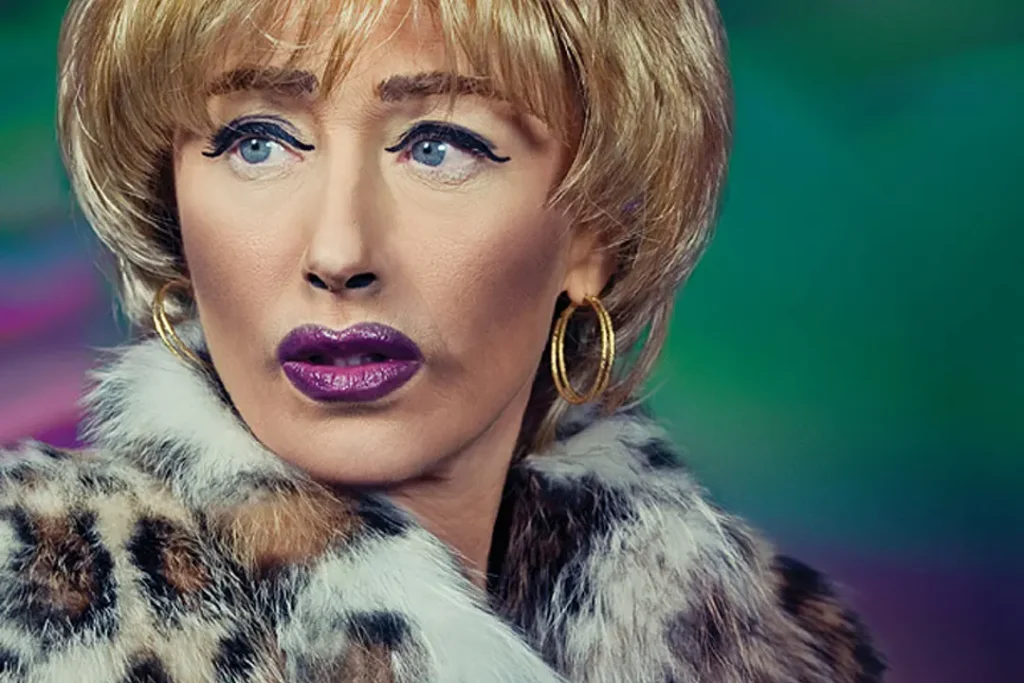
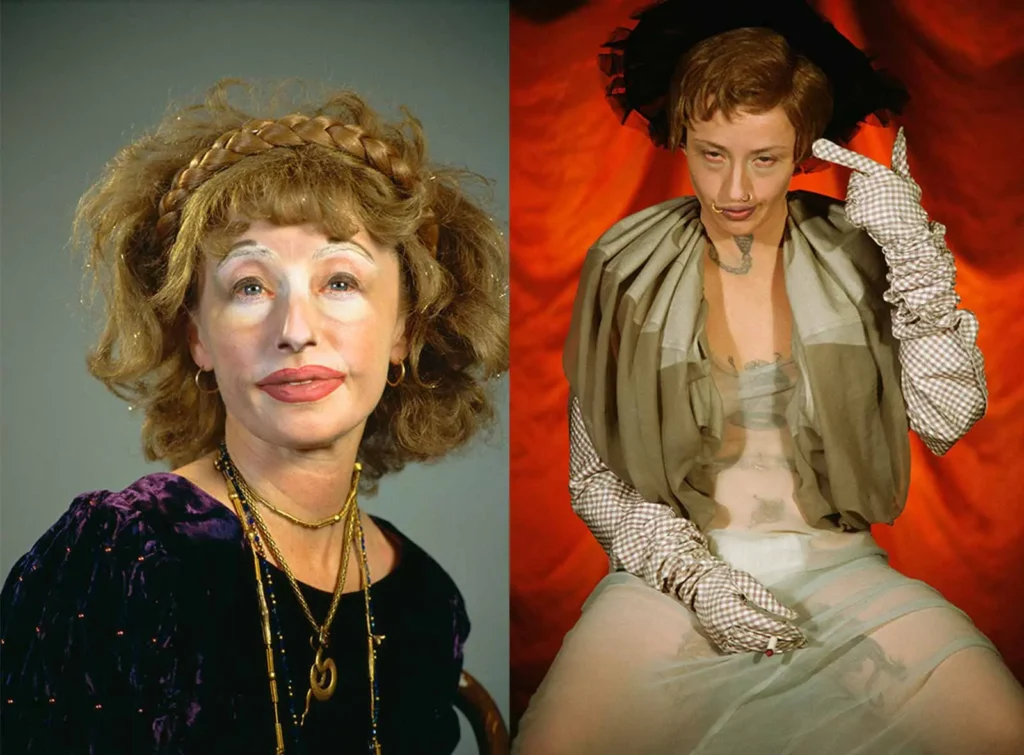
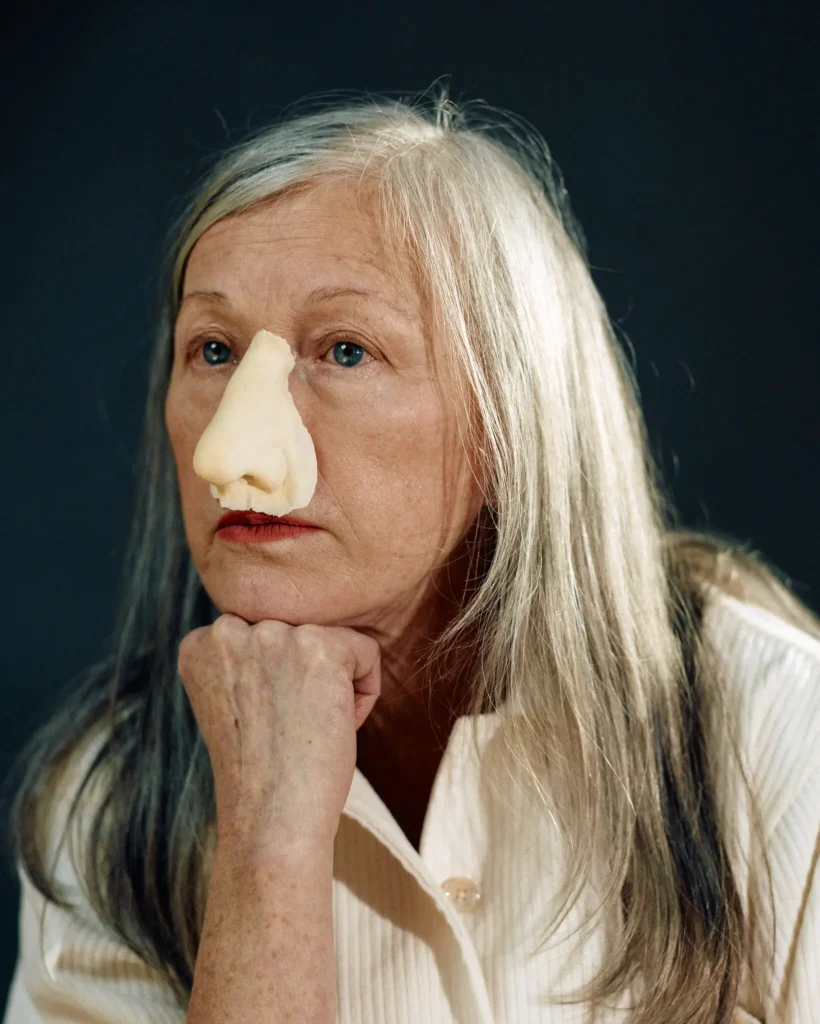
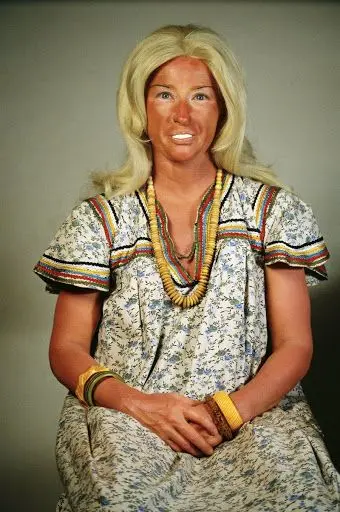
Cindy Sherman is an American photographer and conceptual artist who was born in 1954 in Glen Ridge, New Jersey. She studied at the State University of New York (SUNY) at Buffalo, where she initially studied painting, and later she realized that photography provides greater creative freedom. In spite of photographing other people, for all her work she became both the photographer and the subject.She used different costumes, makeup, wigs, lighting, and different sets to transform herself into completely different characters and to create images that are not just traditional self-portraits but are performances captured by a camera lens.
She is recognized internationally for using a different approach, because of which today her work is displayed in the major museums of the world including the Museum of Modern Art (MoMA), Tate Modern and the Metropolitan Museum of Art.
Documenting reality and capturing portraits was the focus of photography, but with getting international recognition in the late 1970s, Cindy went for a completely different path. Rather than showing “who she really was”, she showed fictional characters that were inspired by movies, advertisements, television, and history, also popular culture.
Photography has become a powerful tool with such ideas that helps in exploring society.
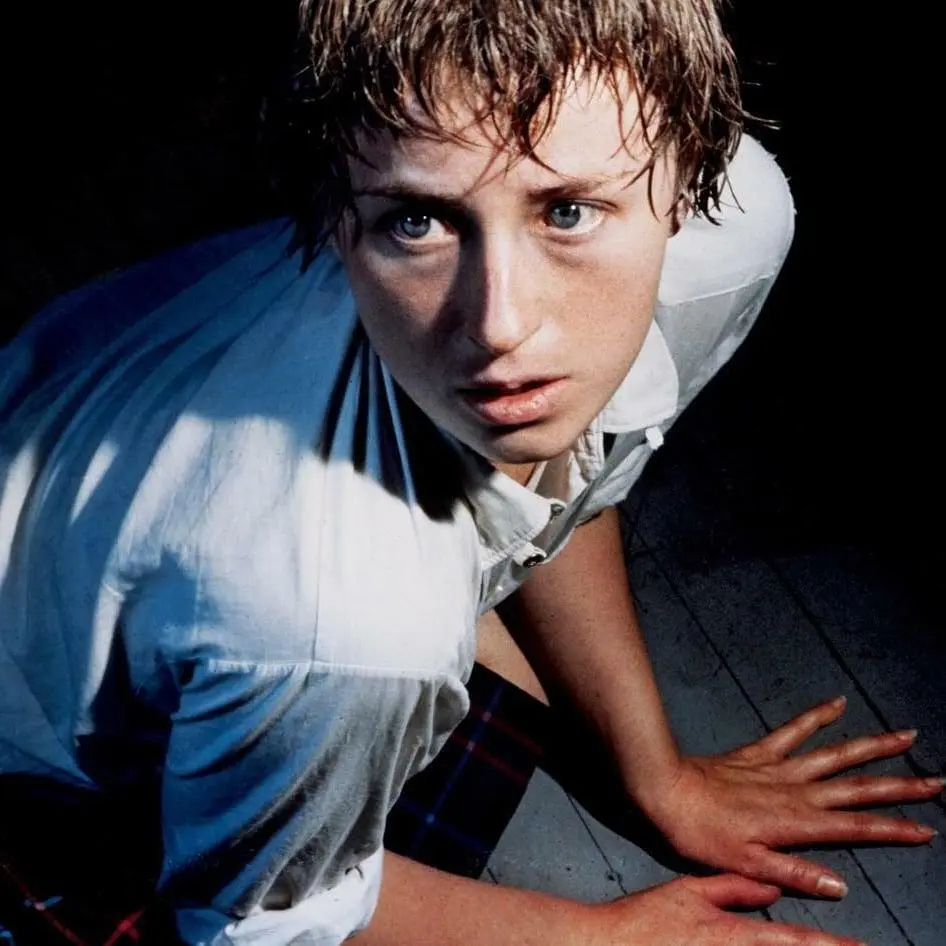
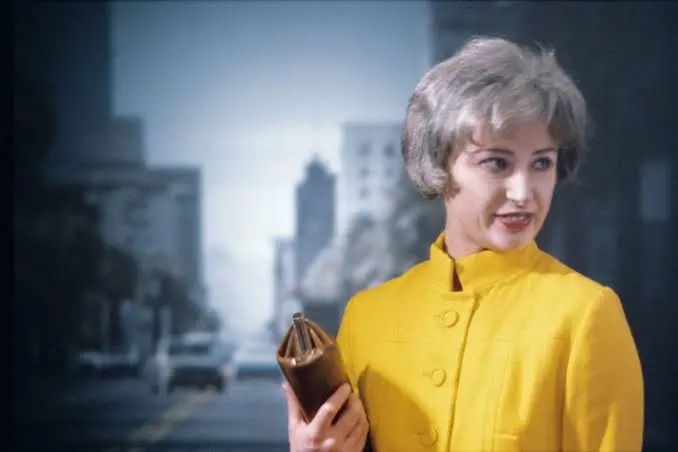
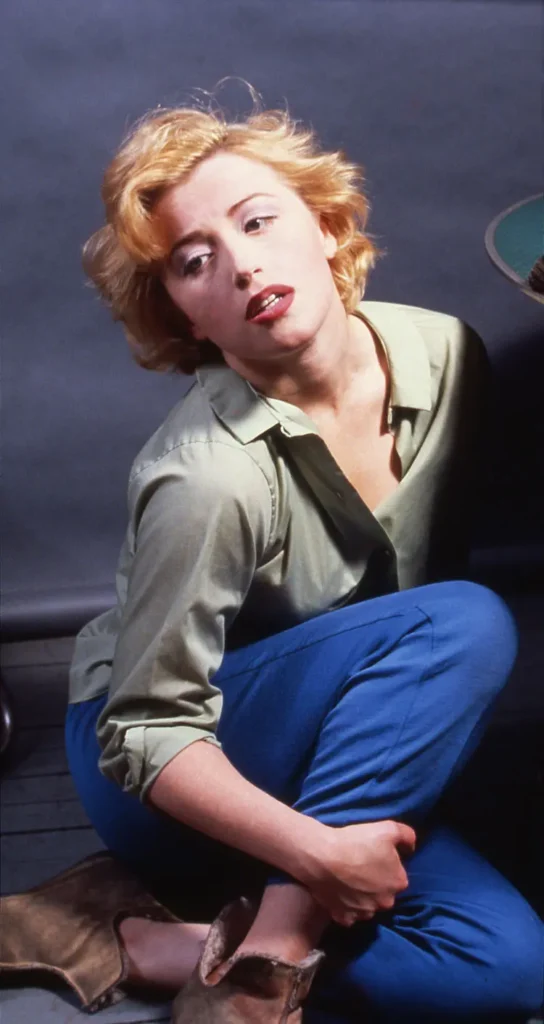
Untitled Film Stills (1977-1980) is Sherman’s most influential project. Pictures quite similar to classic Hollywood, European cinema, and film noir were part of this series. The series included a total of 69 black- and-white pictures.
They looked like stills from an actual movie, but no such films existed.
Each image showed Sherman depicting a different female character, like:
People seeing the images made stories about these women, showing how quickly viewers make assumptions based on appearance. She left the photographers open to judgment, instead of telling the viewers what each character represented.
Her biggest contribution was showing that identity can be viewed as performance.
Every photograph asks important questions:
Changing her appearance continuously, she showed that identity is not always permanent; it can vary depending on the surroundings and social pressure.
Cindy Sherman didn’t portray herself as a glamorous celebrity.
Rather, she intentionally appeared as:
She didn’t make attractive portraits; rather, she showed how impossible beauty ideals are made.
Her work is a reminder that beauty is not shaped by natural reality; it is shaped by cultural norms.
Her photographs showed how women have always been portrayed traditionally. Sherman recreated frequent stereotypes rather than showing real women, including
These characters are inspired by classic Hollywood heroines, and they appear uncertain, vulnerable, and dependent.
Even though women are ambitious in their profession, still Sherman showed women being judged for their appearance.
Characters like this show how cinema represents a woman as dangerous and mysterious. These characters are from film noir.
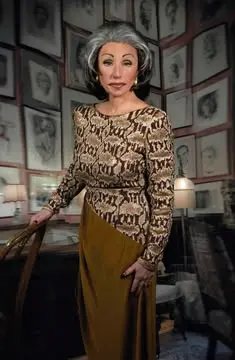
A lot of images show how wealth, status, and pressure allow a woman to appear in elite society. All these roles shown by Sherman inspired the viewers to question that from where such stereotypes originate from and whether they truly reflect real life.
Though Sherman has criticized fashion photography, she has also worked with major fashion brands and magazines. Her mergers involve editorial work which is inspired by luxury advertising, but in spite of making idealized beauty, Sherman introduced exaggeration, discomfort and irony.
Her fashion photographs challenge viewers by asking:
This philosophy blurred the line between commercial photography and fine art.
Sherman avoids labeling her work, but various critics think of her as the most influential feminist artist in today’s era. Her art evaluates how women are seen, judged and represented in many cultures. Her work allows the viewer to think critically instead of showing simple political messages about:
Photographs that are made by Sherman ignite a lot of conversations about the relationship between women and those images in today’s society.
Sherman’s impact goes beyond photography. Her work has influenced:
Various photographers get inspired by her approach and use staged narratives and fictional characters introduced by Sherman.
Increased experimentation with identity, storytelling, and unconventional beauty is done by editorial photographers.
Directors use her visual language mainly in Character-driven and psychological cinema.
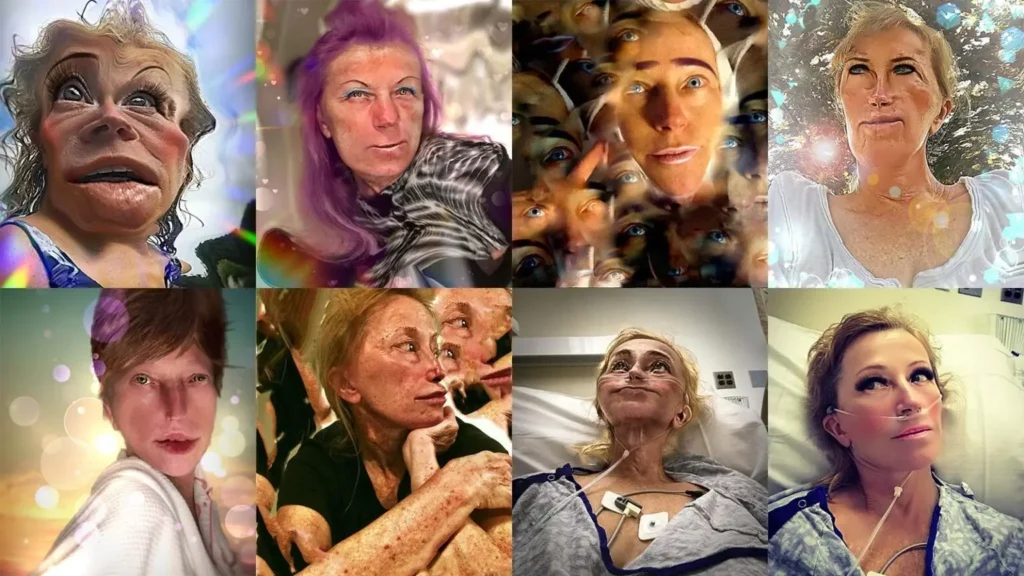
Sherman’s ideas feel more relevant even today. Many social media handles such as Instagram, TikTok, and Snapchat inspire people to create their versions with the help of filters, makeup, and editing. Before the existence of social media, her images predicted a lot of modern-day conversations about online identity.
Today’s audience frequently connects Cindy’s work with digital culture.
These days, people can rapidly change their appearance by:
Her images inspire viewers to predict whether digital identities show reality or carefully constructed performances. Sherman’s work is still relevant as AI and digital image manipulation are becoming very common.
Cindy Sherman has been bestowed with a lot of awards.
During auctions, her pictures are sold for millions of dollars, making her the most celebrated photographer.
Her work is still powerful because it continues to ask timeless questions. In the world dominated by selfies, influencers, and AI-generated portraits, along with digital identities, Sherman’s work is still remarkable.
She inspires viewers to question:
In today’s visually driven world, questions like this have become way more important.
A lot of inspiration can be drawn by creative professionals from Sherman’s career.
Sherman’s success showed one thing: originality usually comes from questioning familiar ideas