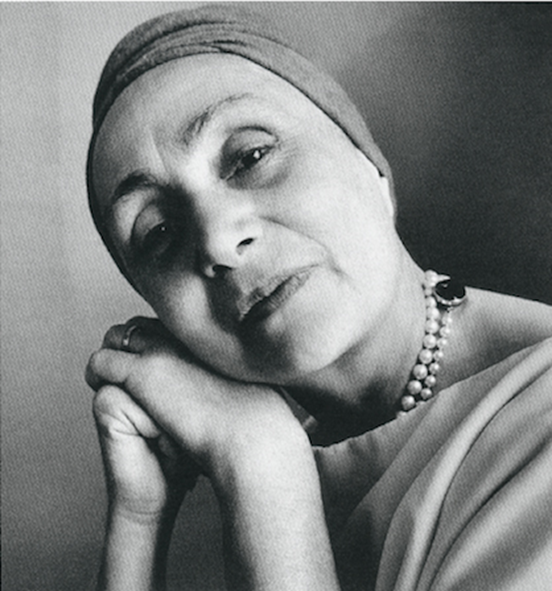
Madame Grès was an influential twentieth-century fashion designer. She had a different approach to haute couture and Ancient Greek clothing was her inspiration. Her name, Madame Grès, remains one of the best kept secrets in fashion history.
Her career has been remaining remarkable for five decades. Grès rose to fame, her designs attracted all the admiration and praise from the fashion world and other designers. Many big names like Rick Owens, Balenciaga and many others studied her for inspiration and to understand how she worked.
Madame Grès left an impact through her mastery of draping the fabric and construction of patterns, she did not rely on extreme embroidery and decorative details.
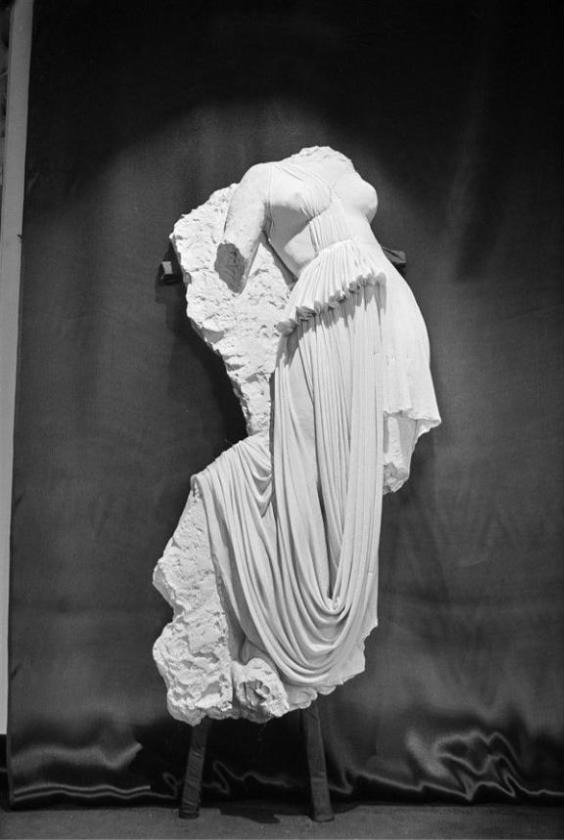
Madame Grès had an interest in art from an early age, her parents discouraged her passion for the longest time. She worked in the fashion industry and gained a lot of hands-on experience but never studied at any design school. She liked working with sculptures which became an important influence in her career.
Madame Grès started as a hat maker and later on she moved into dressmaking and got an apprenticeship at Maison Premet. That was an Edwardian couture house, and they were known for being incredibly meticulous about their work. Here she learned how different materials work around the human body. She was not using clothes as something to put over the body, but rather as a 3D structure which can be shaped, folded, and sculpted. With time and experience she adopted her own unique artistic point of view on haute couture making.
Madame Grès started her career in the early 1930s. In 1933, she collaborated with couturière Julie Barton to establish Maison Alix Barton in Paris. It later changed into Maison Alix and developed a different approach to draping and construction. She started making clothes which showed her interest in classical Greek style during the World War.
Her work was recognized at the Paris Exposition Internationale in 1937. At this event, she won first prize for haute couture under the Alix name. Later in 1942, she opened Maison Grès which marked the beginning of the name that was significantly linked with her legacy. The couture house operated from 1 Rue de la Paix in Paris, where she used to develop collections that would attract international clients.
Madame Grès had a way of making clothes that felt both ancient and totally new. She was not really into chasing what was popular each season. Instead, her focus was always on how a garment hung, how it moved, the feel of the fabric, and how it all worked with the body’s natural form.
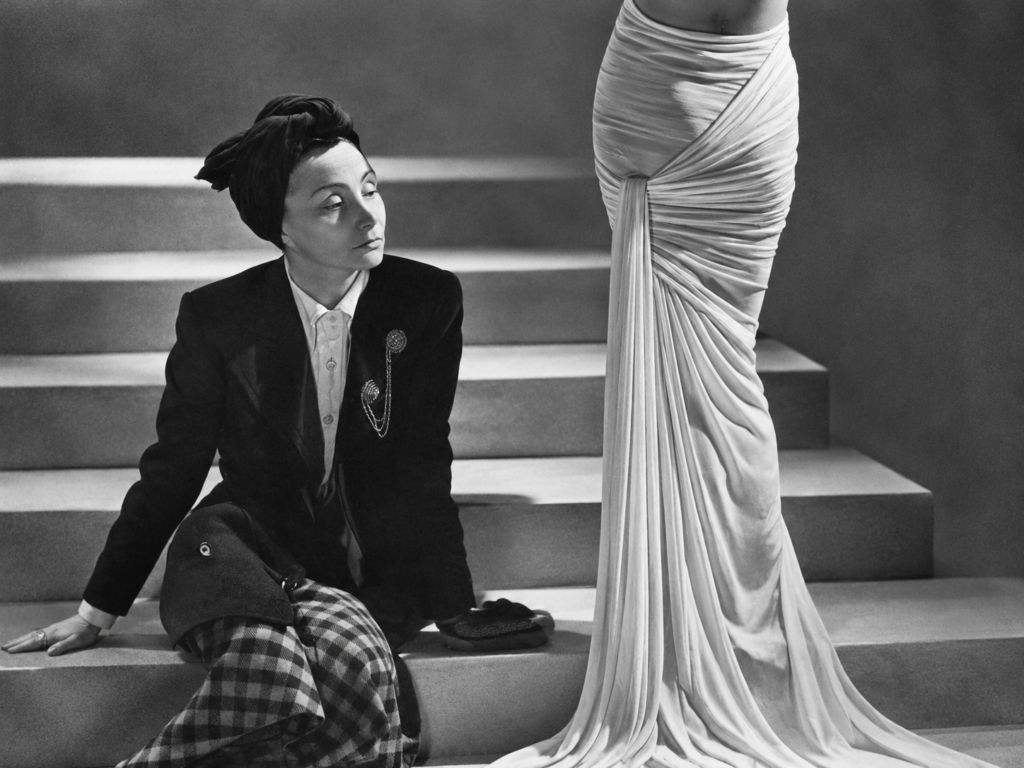
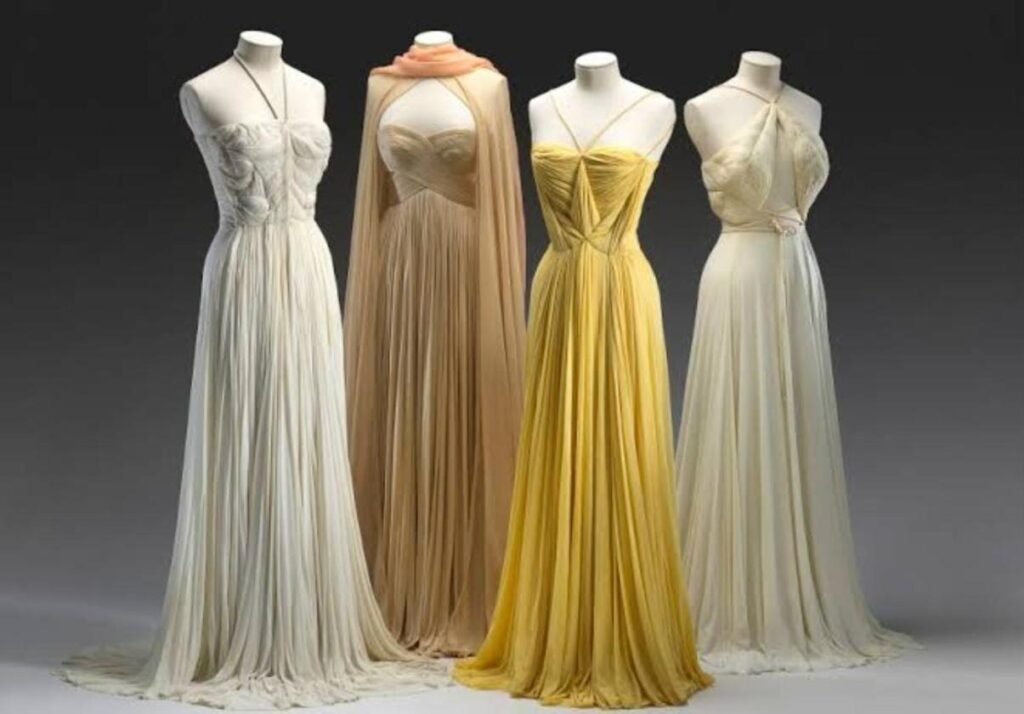
Madame Grès used draping which was heavily influenced by classical Greek styles. She loved how those old garments draped and wrapped without requiring a lot of complex sewing. There were gowns with long and flowing pieces of fabric that were really sculpted. Her favorite dress was made from 13 to 21 meters of silk. Her art of pleating could reduce 9 feet of fabric into a mere 2.8 inches.
The way the fabric softly fell around the shoulders, waist, and hips made them look really elegant. She was not just copying historical clothing – she took those ideas and adapted them so they worked for women of her time, which was a pretty significant achievement.
The most recognizable feature of Madame Grès’ work was artisanal pleating which is likely what most people associate with her. She created very fine and tight folds that gave her dresses that unique texture.
It often took many meters of silk jersey and she had to carefully shape and secure every pleat by hand. Such pleats follow the figure’s shape and allow the cloth to flow so beautifully. It was a technique requiring a lot of patience and incredible accuracy. Even a small adjustment could completely change the look of the garment.
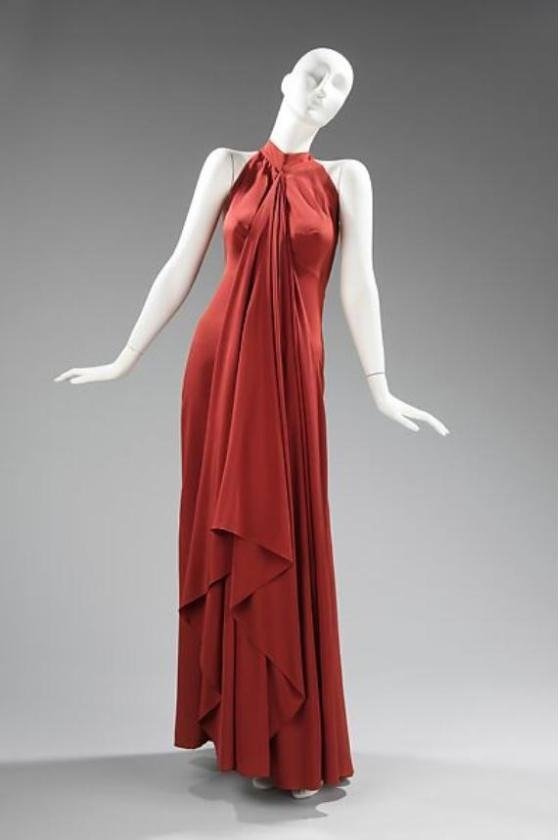
It was one of her unique styles of fashion. She experimented with the volume, structure, and various fabrics, making pieces that somehow resembled wearable sculptures. Some of them were wrapped around the body; some featured dramatic folds, spiraled parts, and architectural forms. Her dresses and evening gowns revealed that garments were indeed capable of being quite expressive, but not overly embellished.
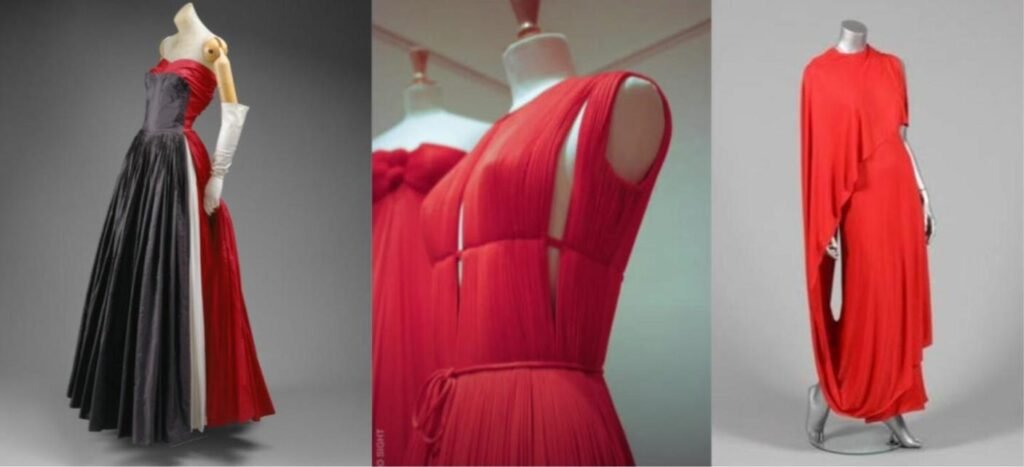
Another aspect of her designs was asymmetry. She frequently experimented with cuts that were cropped or cut diagonally, off-the-shoulder designs, odd openings, and necklines. These details brought a certain dynamic and engagement, but they never detracted from the overall beauty of the work.
There was a sense of minimalist elegance in her work. She believed that simplicity could be powerful. Her clothes often skipped unnecessary embellishments, also letting the quality of the material and the precision of the construction speak for themselves. Her approach actually predated a lot of what we now consider modern minimalist fashion. She proved that a simple shape could be just as impactful as a heavily decorated gown.
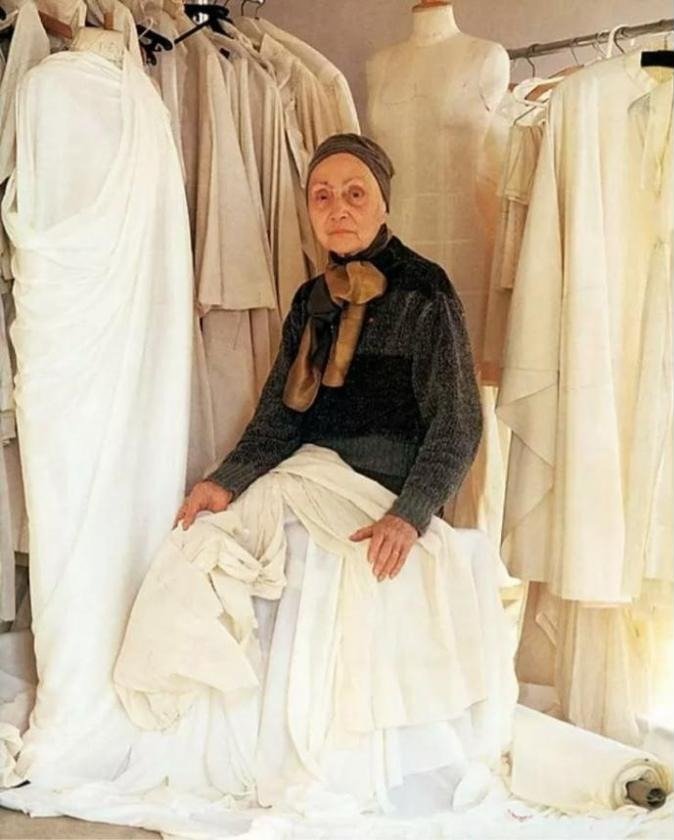
Madame Grès was unique in her approach to making clothes, the most intriguing aspect of the legendary designer. She never made a layout before designing a dress and work directly with the fabric. She draped the material and fit the clothes to a mannequin or a model until she got what she wanted.
The steps in her process included:
Madame Grès liked silk jerseys because the material was stretchable, flowy, and could hold delicate folds. Also used other materials like silk taffeta and wool to generate various textures and effects.
World War II was a very challenging period for the French fashion industry. Paris was occupied by Germany, and a lot of fashion businesses had to face restrictions.
During such a difficult era, Madame Grès continued doing her work and resisted the German occupation. She also refused to compromise her artistic independence and opened Maison Grès in 1942, but her commitment to creative principles raised some conflicts with the authorities. These things portrayed her as a determined and uncompromising personality who continued to enhance her techniques.
She was loyal to her principles but she made designs that showed her principles and concept of evolution. She worked with different fabrics and materials instead of following Greek-inspired designs again.
She laid the foundation of her signature aesthetic under the name Alix in this era. The collection of her signature included draped silhouettes and flowing fabrics also made daywear and other clothing.
Maison Grès was a significant turning point in her career during this era. Her work was connected with finely pleated silk jersey gowns and sculptural construction.
This time period is considered important for her reputation. The evening wear created by her showed her strong grip on fabric and proportion. She also became known as one of the leading couturiers.
In this time, she worked with asymmetry, unusual cuts and more architectural fabric. She also followed the classical foundation and explored new ideas.
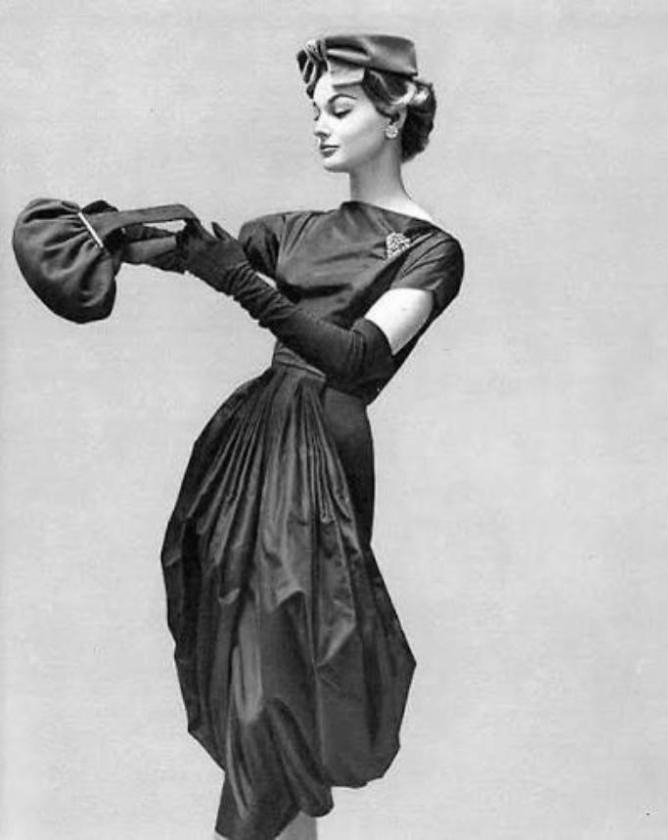
Madame Grès did some experiments with silk taffeta, stronger shapes and was also inspired by different costumes during this time. This showed that she was very creative.
She introduced a ready to wear collection but she continued with fabric manipulation and dramatic silhouettes during this time.
Madame Grès’ influence extended well beyond her own fashion house. Her fashion sense became a significant reference for the upcoming generation of designers.
Her legacy is proof that designs are not dependent on novelty. The designs can also come from developing a technique so thoroughly that it becomes timeless.