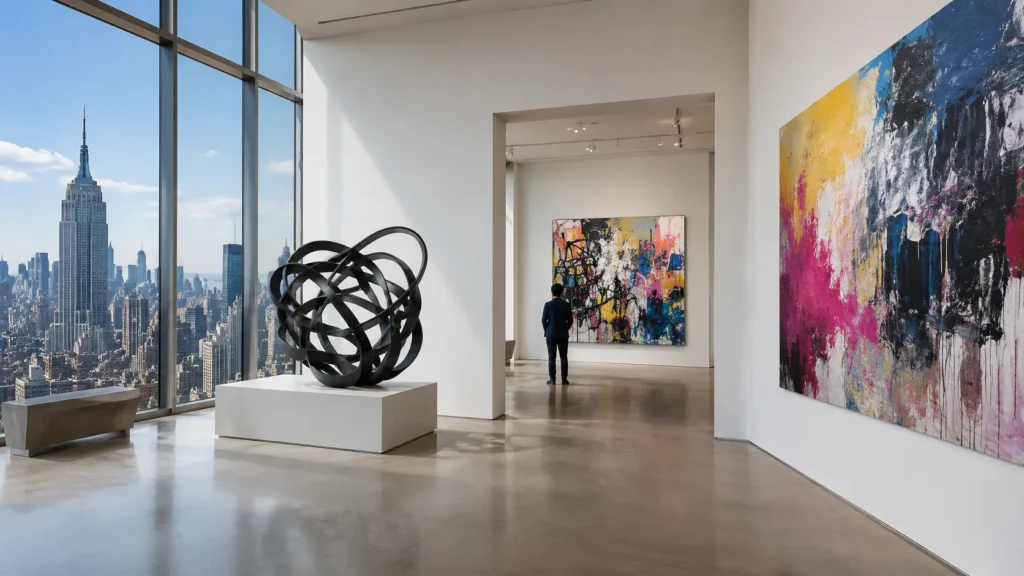
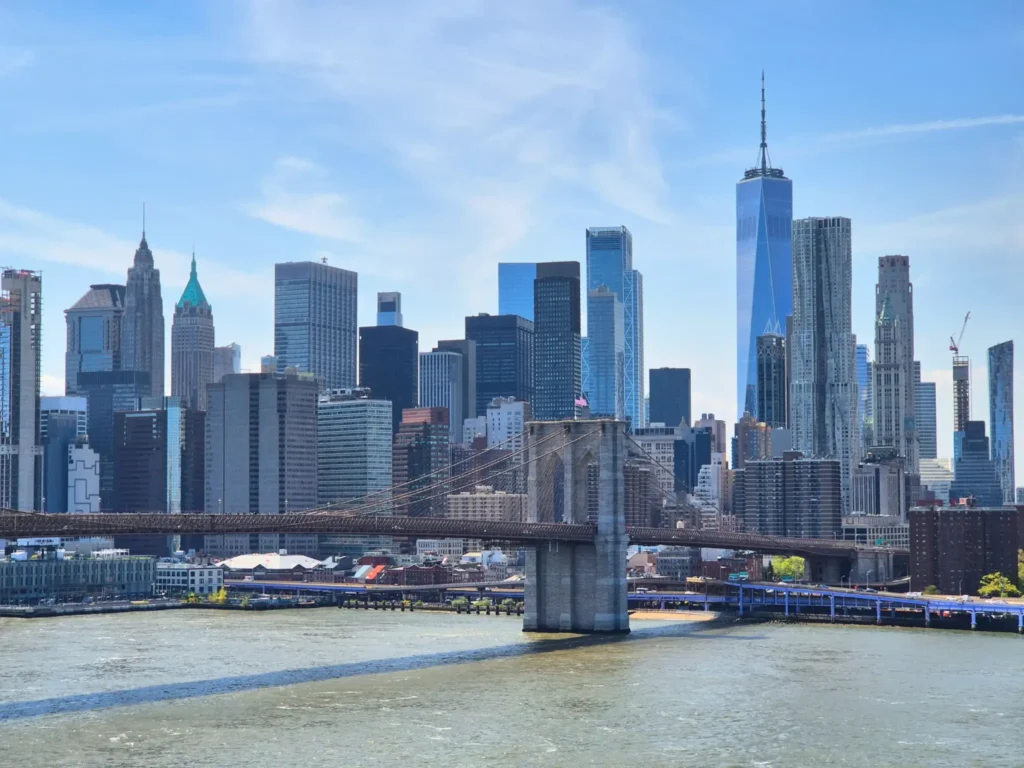
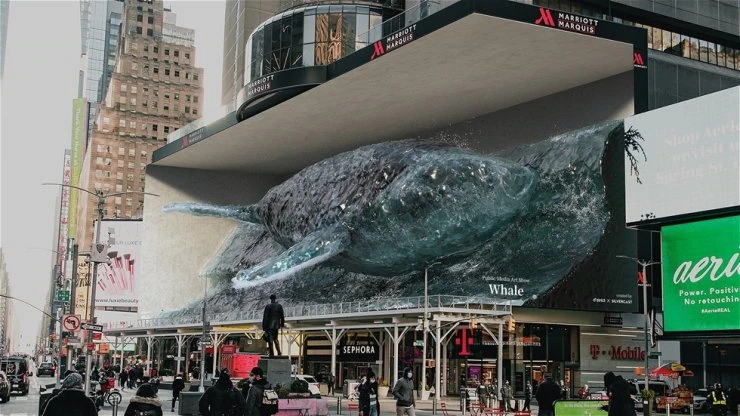
New York City is recognized as the world’s best capital for contemporary art that continuously changes, showing cultural shifts, technology and politics with society. New York displays an environment in which creativity and commerce come together, from internationally recognized museums and galleries to rising artists and record-breaking auctions. The city has made artists, collectors, curators and critics. This is a place through which artistic careers start, major movements take place and a lot of conversations on art are seen every day.
This article will help you understand why New York stands among contemporary art and helps artists to explain its influence.
New York was not recognized as the art capital over a single night. Paris became the center of the art world after World War II. Many artists like Jackson Pollock, Willem de Kooning, Mark Rothko and others played a role in the establishment of Abstract Expressionism which helped the city come to the forefront.
New York has been home to many movements like:
These days, artists continue to use this legacy to build art while still forming new ways of experiencing art.
There are some of the most respected museums that are devoted to contemporary art. These have stored the artistic history and continue to introduce new ideas. Some are below:
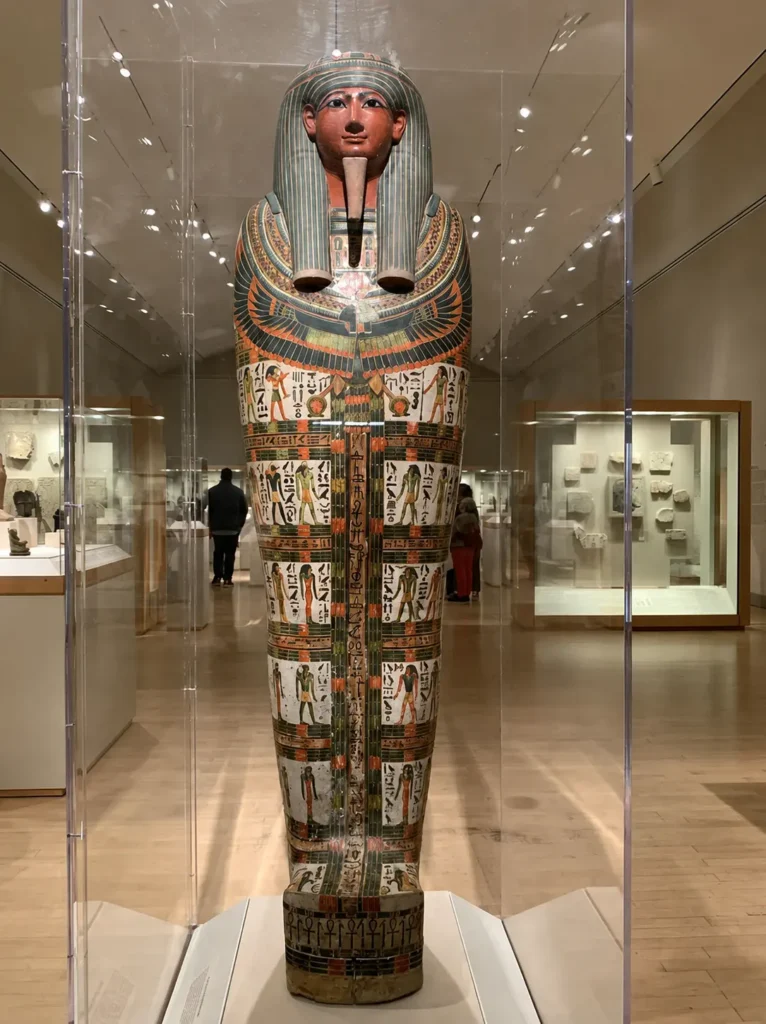
The Brooklyn Museum is located near Prospect Park in the US. It is known as the oldest and the largest museum in the US. The collections inside the museum show a vast range of human creativity over thousands of years. The museum holds exhibitions of ancient art, historical collections, and contemporary exhibitions, which makes it an important destination along with Manhattan’s traditional art scene.
The collections include work from different countries and cultures, like:
This museum is also known for large exhibitions, which connect artworks of history with modern social conversations. It has some permanent collections and temporary shows that mainly explore topics of culture, identity, and feminism.
Visitors can experience works by artists and creators including:
Its diverse programming, educational events, and community-focused exhibitions make it one of Brooklyn’s most influential art institutions.
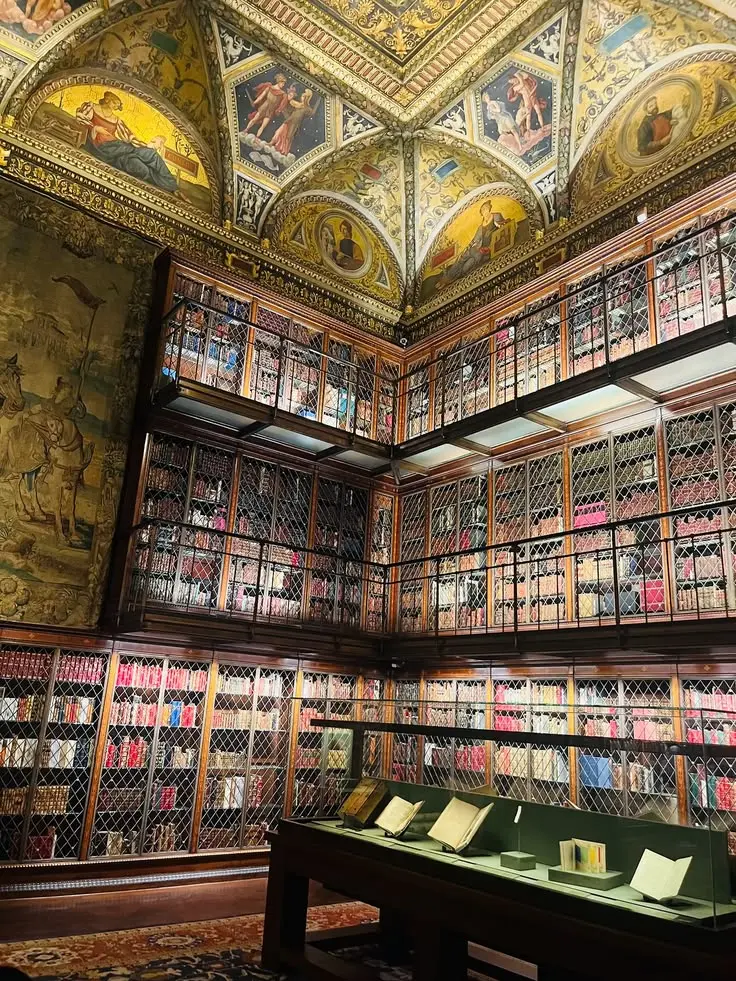
The Morgan Library & Museum gives a different experience by blending fine art, literature, and historical collections at New York’s most remarkable cultural places. The museum was originally created from the private collection of J. Pierpont Morgan, who was a financier. Its library stores some rare books, manuscripts, and drawings, along with some important historical documents. This museum also provides its visitors with a deep look at the processes that are behind the world’s greatest writers, artists, and thinkers.
Visitors can see the work of the following:
It elegantly stores some interiors, including the historic library rooms and it creates an environment through which visitors explore art, history, and storytelling
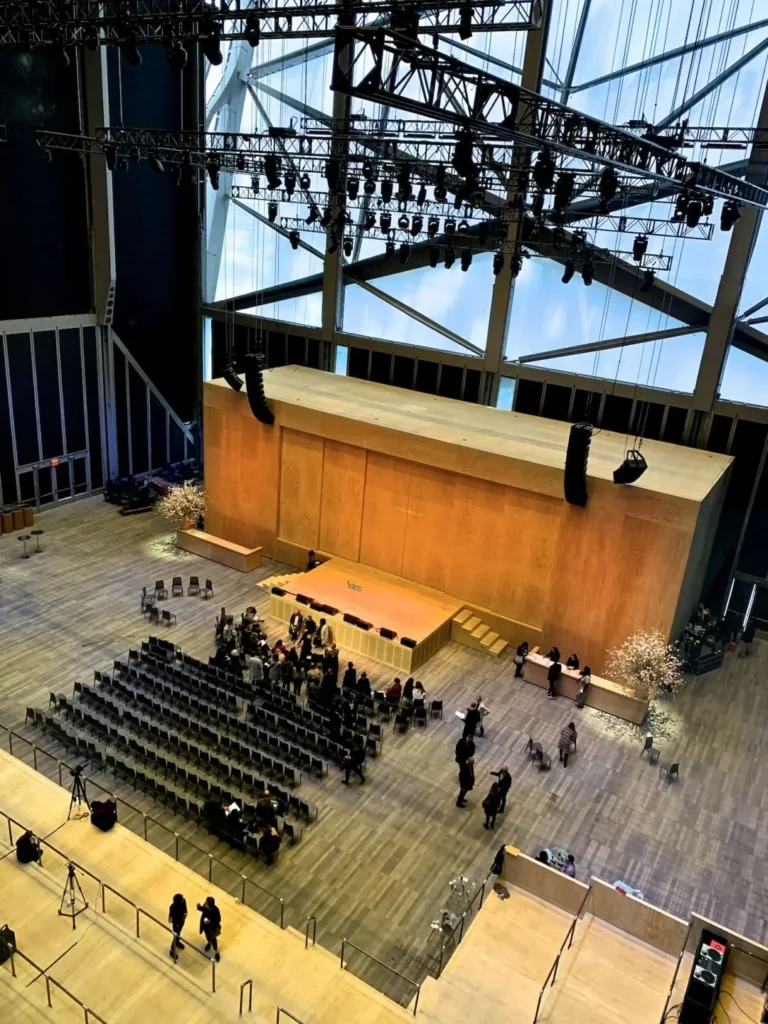
It is New York’s most innovative cultural space that is designed to help artists from different creative fields. The Shed is located at Hudson Yards, and its building reflects a modern approach to art presentation, along with flexible spaces that can change depending on the exhibition needs.
It does not focus on a single category, whereas it explores:
It works with emerging talents as well as established artists who represent projects related to technology, architecture, and other art forms. The programs held here bring new ideas and inspire artists to play with various formats. It has become a significant destination for people looking for immersive and forward-thinking cultural experiences in NY.
It is a contemporary art institution located in Queens and is related to the Museum of Modern Art. The museum focuses on rising talents and gives them a space to generate new ideas rather than traditional art. It displays innovative exhibitions that challenge traditional art. It helps artists who are working with new materials and social themes, along with unconventional creative methods.
MoMA PS1 regularly features:
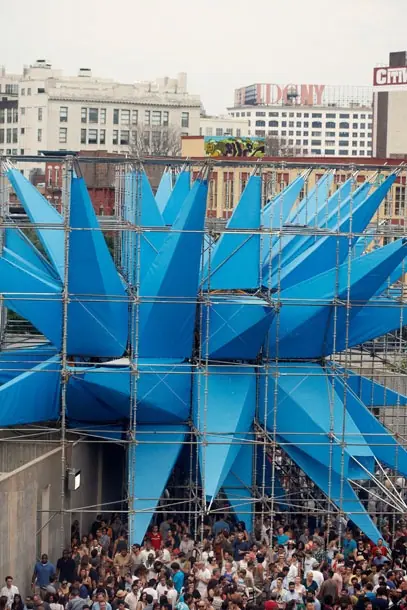
It introduced new artists who got international recognition. It is also known as a unique contemporary art space in New York due to its outdoor courtyard, large-scale installations, and experimental programs.
MAD is located at Columbus Circle. This museum shows the relationship between craftsmanship, creativity, and contemporary design. It has a focus on the artists and designers who design simple things into something innovative. Mainly, museums focus on sculptures and paintings, but this museum shows the innovative processes that are behind handmade and design-based works.
The Museum shows the work of artists who work beyond the boundaries of art and technology.
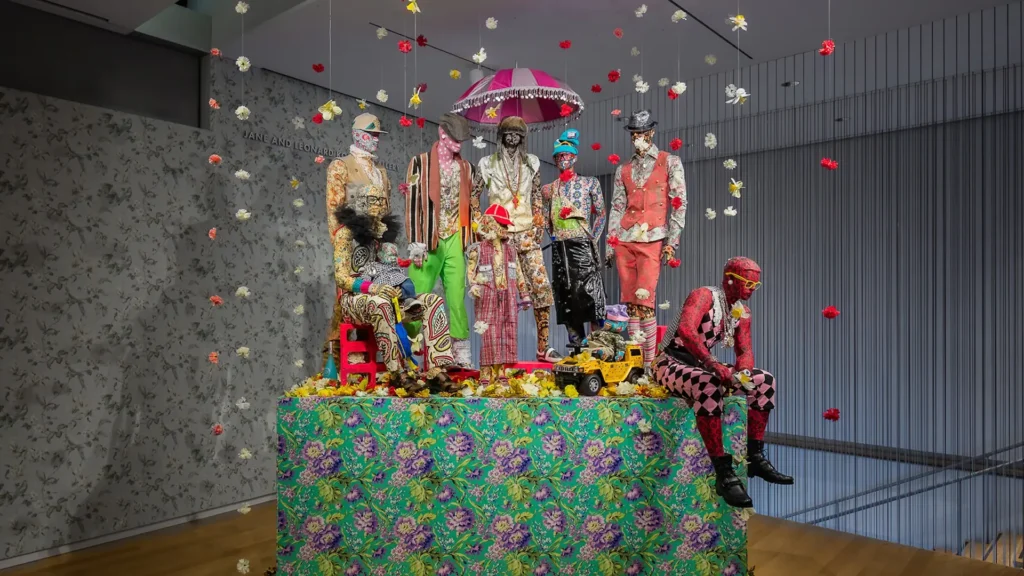
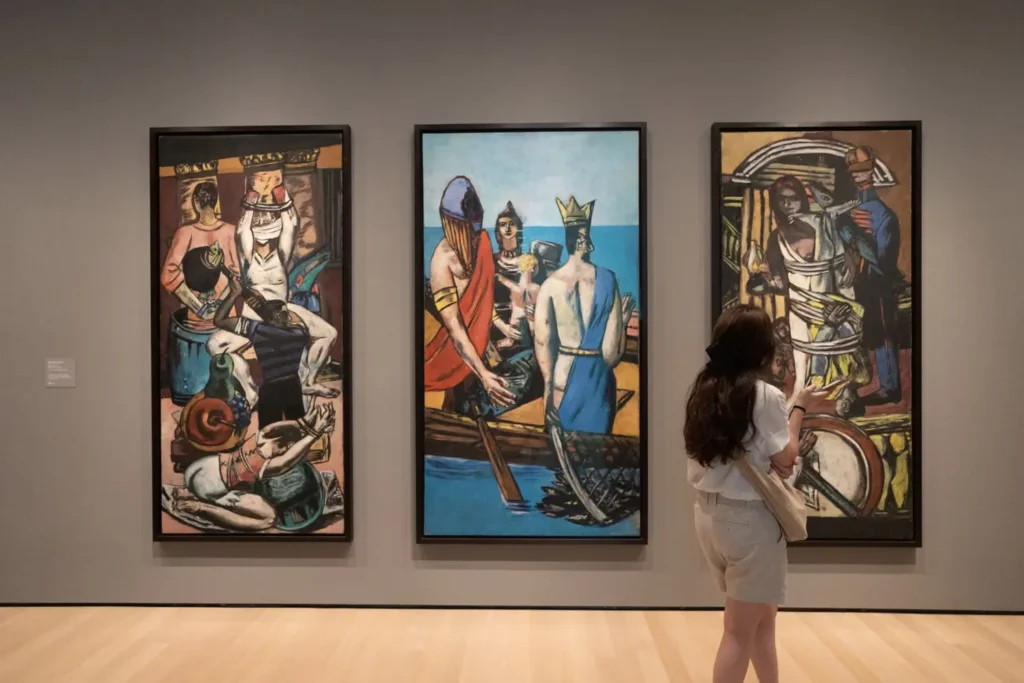
The collection of the museum varies from painting, sculpture, photography, film, architecture, and digital media, and it is one of the most popular museums too. Travellers can see the work done by legendary artists along with art from today’s creators.
Visitors experience works by artists including:
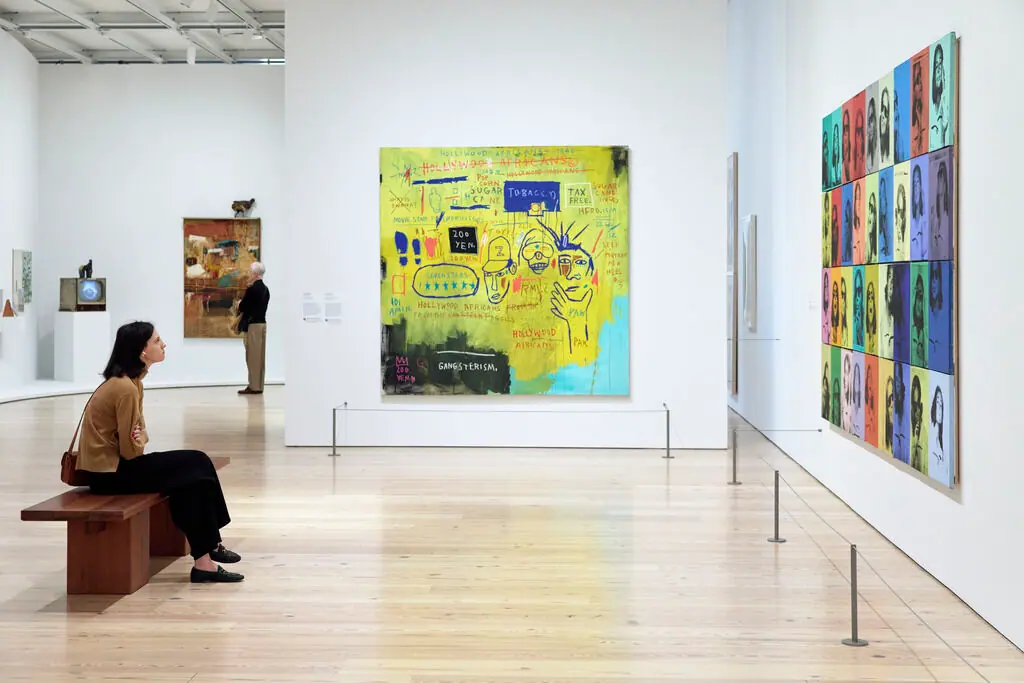
Whitney has a focus on current American artists and mainly shows their exhibitions before an artist becomes famous globally. The Biennial exhibition held by this museum is known as one of the most important surveys of contemporary American art.
The museum actively explores themes such as:
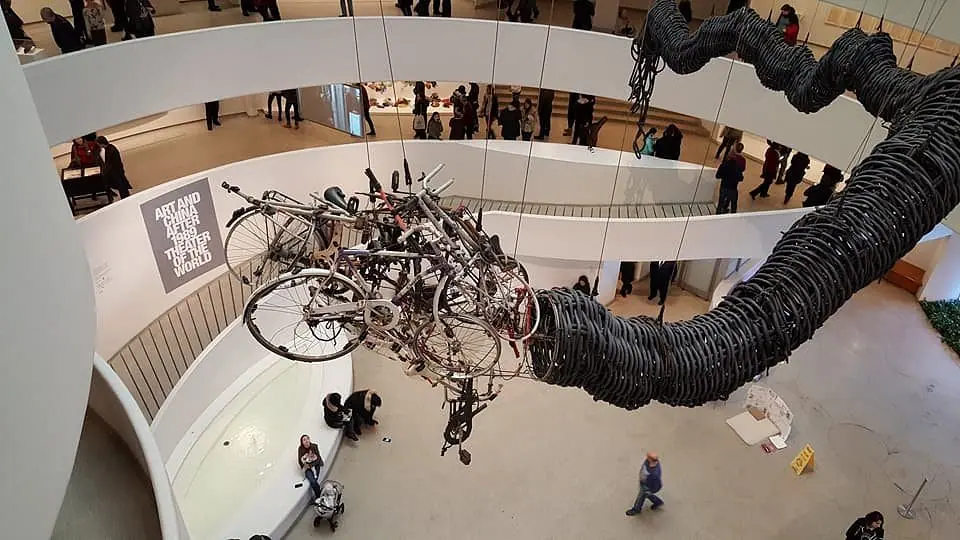
The museum is famous for its architecture and also for displaying exhibitions, which challenge traditional ways through which art is seen.
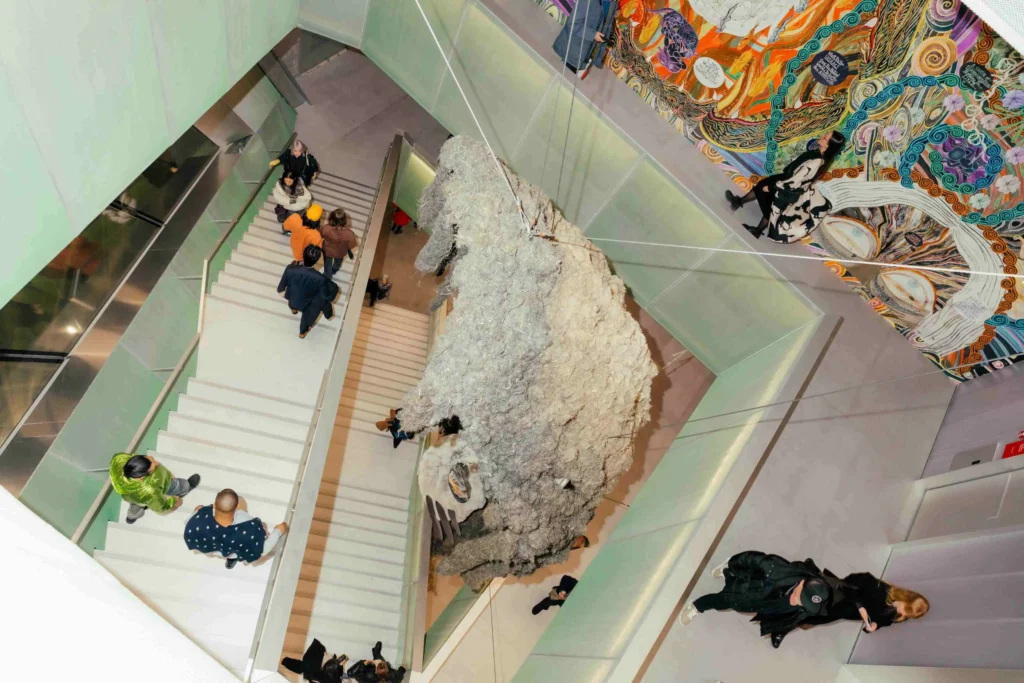
Unlike traditional museums, the New Museum is dedicated almost entirely to contemporary artists working today. Like all other museums, it is also committed to contemporary artists. Some successful artists have gained a lot of attention from exhibitions held here.
Chelsea is an important part of the contemporary art scene. Neighborhoods like Tribeca and the Lower East Side host most influential blue-chip galleries, whereas some of the mega-galleries, including Gagosian, David Zwirner, Hauser & Wirth, and Pace that show museum-level displays.Chelsea has a huge concentration of contemporary art galleries in the world. Several galleries display work by artists from each continent, showing work of every kind from paintings and sculptures to video installations, AI- generated works, and performance pieces.
Visitors can experience multiple exhibitions in a single day by walking through Chelsea, making it one of the city’s greatest attractions.
The increasing prices have forced the studios to shift from SoHo to Bushwick and Ridgewood, but it still brings beginners and creators to New York.
“New York is not just a place where art is exhibited; it is a city where art is lived, experienced, and constantly reimagined.”
NYC provides a creative space that allows artists to move to this city not just because of its ease, but also because critics, curators, and collectors provide feedback that enhances their work.
Talented artists from around the world prefer New York City. Many creatives prefer NYC as it provides a lot of opportunities that are difficult to find anywhere else:
Brooklyn has evolved as a center for independent studios through which rising artists can freely experiment before they enter larger spaces.
New York educates many of tomorrow’s most influential artists. Some of the respected institutions are:
Students are given access to work with professionals, museum internships, and gallery networks, along with the largest creative communities. A lot of graduates settle in New York, which strengthens the city’s artistic environment.
New York offers extraordinary diversity when it comes to galleries. Visitors can explore:
These represent internationally established artists whose works are collected by major museums worldwide.
These galleries help build the careers of artists who are becoming increasingly recognized within the contemporary market.
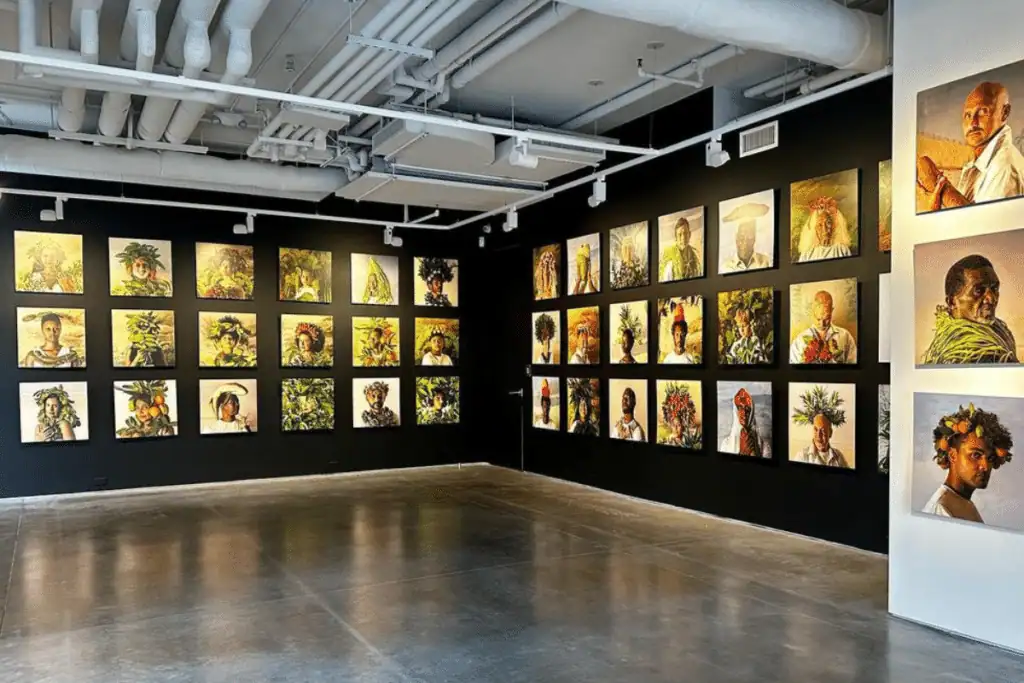
Smaller galleries often introduce experimental artists before they gain mainstream attention. Many collectors discover future stars in these independent exhibition spaces.
New York is not only where art is created it is also where art is bought and sold. The city remains one of the largest global art markets thanks to:
Large auction houses usually get record-breaking sales for contemporary artists. The market strength inspires galleries to invest in rising artists and gives them opportunities to build their careers.
New York holds a lot of art fairs that are attractions for visitors from around the world. In the peak weeks, thousands of curators from across the globe, art advisors, and collectors fly to the city, which helps the economy make billions.
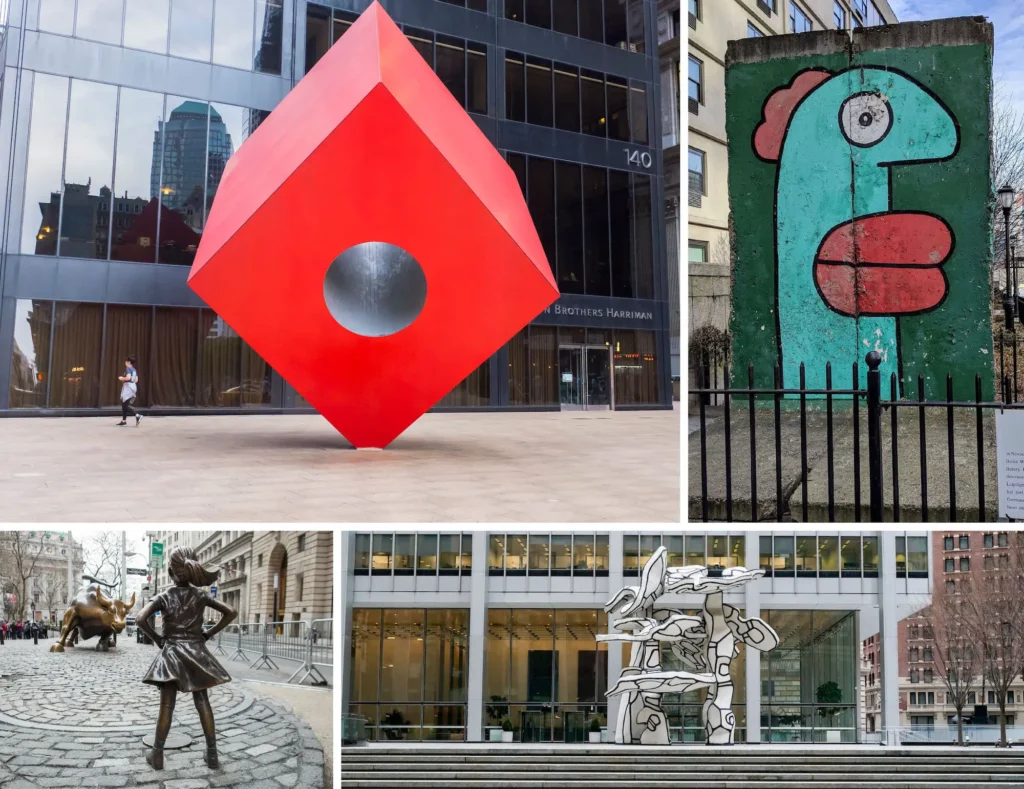
Unlike many cities where contemporary art exists mainly inside museums, New York integrates art into everyday life. Visitors can see public artworks in the whole city:
Notable locations include:
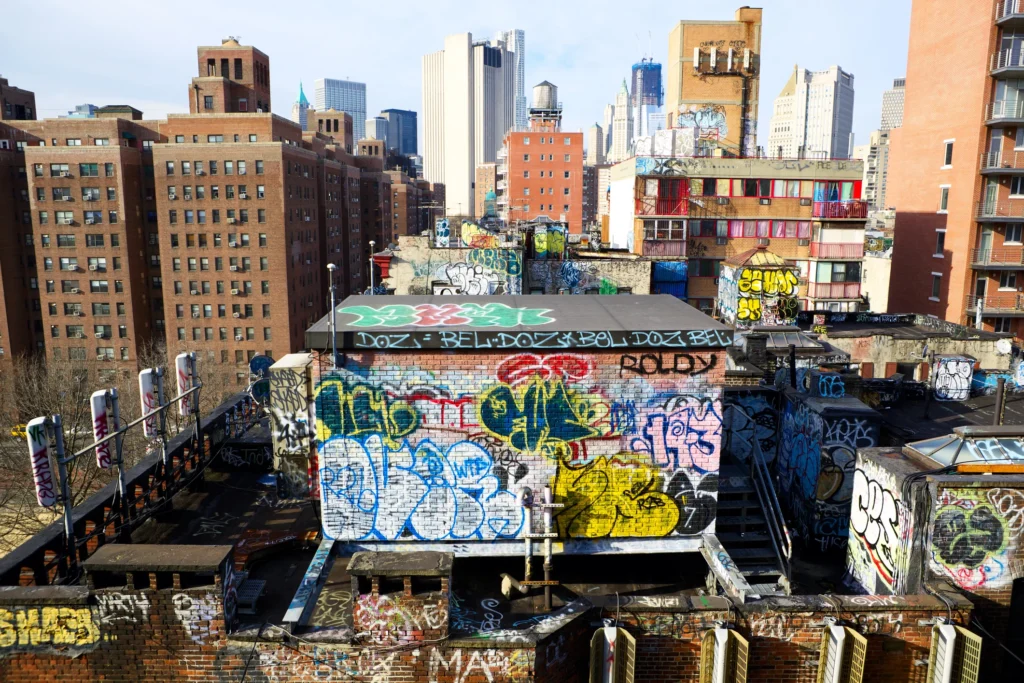
A major role was played by New York in the rise of graffiti and urban art in the 1970s and 1980s. These days, an important part of the city’s culture is still public artwork. In neighborhoods of Brooklyn, the Lower East Side, and parts of Manhattan, there are many public artworks created by international artists each day.
Artists of different backgrounds bring different thinking and diversity which is the strength of New York. Conversations are made on themes like:
Because these conversations reflect real-world experiences, contemporary art produced in New York often resonates with international audiences.
Technology has evolved as a significant part of contemporary art, and for this evolution, New York remains at the forefront.
Artists increasingly experiment with:
Immersive & digital art venues:
Mercer Labs, ARTECHOUSE, INTER_
To look for new artists and collect famous works, collectors from Latin America, Europe, Asia and the Middle East come to NYC; they even plan visits around important art exhibitions and gallery openings. The City has established confidence among visitors that they are interacting with the world’s most famous artists.
Like every other big city, New York also goes through challenges of increasing rents, rising studio costs, and competition for display space, making it difficult for artists to have careers. These challenges have helped in the growth of spaces, non-profit galleries, and creative communities; along with this, talent is being nurtured in Brooklyn, Queens, and the Bronx.
The influence of New York is beyond the number of galleries or museums that it has. It displays how contemporary art is exhibited and collected from different parts of the world. Many people have eyes on NYC to look out for new ideas and understand changing culture. The popularity of an artist in New York brings a lot of opportunities for them, like exhibitions and collaborations, along with international recognition; this is the biggest strength of New York City.
New York is the capital of contemporary art as it combines history, diversity, and education along with the world’s strongest art markets. The museums here store artistic achievements, and the galleries here foster rising stars.
While a lot of cities have chosen vibrant scenes, New York has set the pace, becoming a city where new ideas are made, conversations start, and artists from across the world shape the future of contemporary art.
New York combines world-class museums, influential galleries, auction houses, art fairs, collectors, curators, and a large community of working artists. This concentration makes the city one of the most important centers for discovering, exhibiting, buying, and discussing contemporary art.
Chelsea and Tribeca are major gallery destinations, while the Lower East Side, SoHo, Chinatown, and parts of Brooklyn are particularly interesting for emerging galleries, independent spaces, and experimental art.
The Museum of Modern Art (MoMA), Whitney Museum of American Art, New Museum, MoMA PS1, and Solomon R. Guggenheim Museum are among the city’s most important destinations for modern and contemporary art.
Smaller galleries, nonprofit organizations, artist-run spaces, graduate exhibitions, open studios, and independent art spaces are excellent places to discover emerging artists. Tribeca, the Lower East Side, Chinatown, and Brooklyn are especially worth exploring.
Yes. Chelsea remains one of New York’s most significant gallery districts, with major international galleries alongside smaller contemporary programs. However, the city’s art scene has expanded considerably into Tribeca and other downtown neighborhoods.
Tribeca has attracted a growing number of contemporary galleries because of its downtown location, distinctive architecture, and proximity to collectors and other cultural destinations. It has become an essential stop on the New York gallery circuit.
Most commercial galleries in New York are free to enter during regular opening hours. This makes gallery hopping one of the easiest ways to experience contemporary art in NYC without paying museum admission.
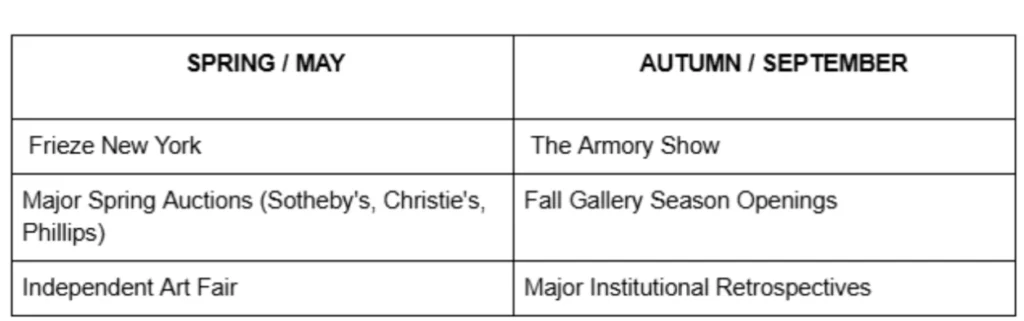
Spring and fall are particularly active, with major exhibitions, gallery openings, auctions, and art fairs. September is especially important as galleries launch their new fall exhibitions.
Cities such as London, Paris, Los Angeles, Berlin, Hong Kong, and Seoul have major contemporary art scenes, but New York remains exceptionally influential because of the scale and concentration of its galleries, museums, collectors, artists, auction houses, and art-market institutions.
Its strength comes from the entire ecosystem. Experimental independent spaces can exist alongside blue-chip galleries, major museums, art schools, auction houses, collectors, and international art fairs—allowing artists to progress through multiple stages of their careers within the same city.